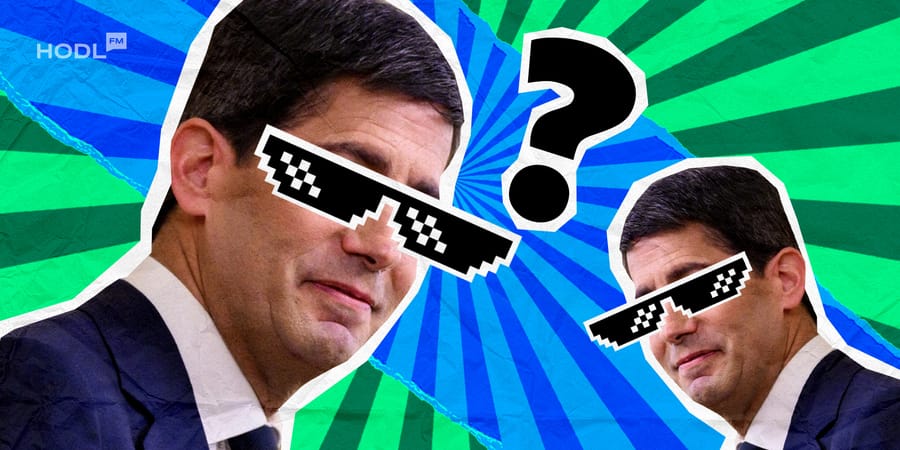


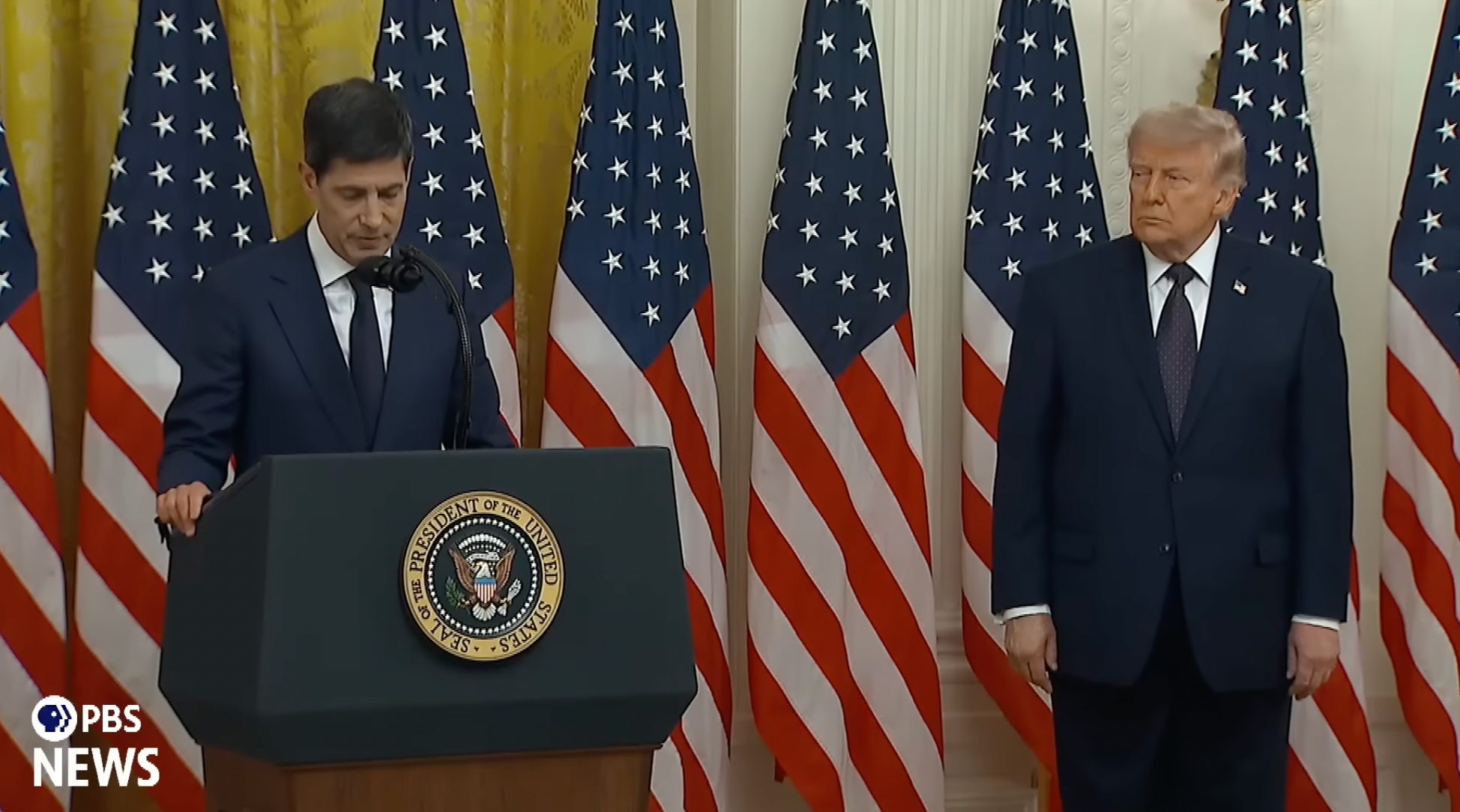
The Federal Reserve has a new leader. Kevin Warsh was sworn in on May 22, 2026, at the White House as chairman of the Board of Governors of the Federal Reserve System, taking over from Jerome Powell after eight years shaped by economic turbulence and political clashes with the White House.
The timing is not easy. Inflation hit a three-year high, energy prices surged on the U.S.-Israeli war with Iran and consumer confidence has sunk to an all-time low. According to the FOMC calendar, His first major policy meeting as chair is June 16-17, and markets are already watching closely.
So who exactly is Kevin Warsh? What does his leadership mean for interest rates, financial markets and everyday Americans?
Who is Kevin Warsh?
Warsh, born in April 1970 in Albany, New York, is 56. He studied public policy at Stanford University, graduating in 1992, before getting his law degree at Harvard Law School in 1995. He joined Morgan Stanley in 1996, working in mergers and acquisitions before rising to become vice president and executive director of investment banking.
He left the firm after September 11, 2001, an event he witnessed from Morgan Stanley's headquarters, and moved into government work. President George W. Bush brought him into the White House in 2002 as special assistant to the president for economic policy. Bush later nominated him to the Federal Reserve Board of Governors in January 2006, where he became the youngest board member at the time.
His years at the Fed from 2006 to 2011 placed him at the center of the 2008 financial crisis. David Wessel's book "In FED We Trust" named Warsh one of the "Four Musketeers" alongside Ben Bernanke, Donald Kohn, and Timothy Geithner, the core group that steered the central bank through the collapse. He was directly involved in the Bear Stearns sale to JPMorgan Chase, the Lehman Brothers bankruptcy, and the AIG bailout. He resigned in March 2011 over disagreements with Bernanke's bond-buying program and later became a partner at Stanley Druckenmiller's Duquesne Family Office.
Warsh's economic philosophy
Warsh is widely regarded as hawkish, which means he prioritizes fighting inflation over stimulating growth, even if that means keeping borrowing costs higher for longer.
As far back as 2009, he argued the Fed should prepare to raise interest rates when others were still focused on recovery. He has been skeptical of quantitative easing and critical of how large the Fed's balance sheet grew during the pandemic era.
His reform agenda is also notable for what it removes. He has called for fewer policy meetings, fewer press conferences, and less forward guidance on where rates are headed. At his swearing-in, he set the tone plainly:
"I will lead a reform-oriented Federal Reserve, learning from past successes and mistakes, both escaping static frameworks and models and upholding clear standards of integrity and performance."
What his appointment signals for monetary policy
Trump has been vocal about wanting lower rates to reduce government borrowing costs and support economic growth. He has even joked that he would sue Warsh if rates do not fall. At the swearing-in, Trump told him directly, as reported by BBC News:
"Don't look at me, don't look at anybody, just do your own thing and do a great job."
But the Fed chair does not make rate decisions alone. The Federal Open Market Committee votes on rates based on economic conditions, and several of its members have already signaled they want to hold rates steady, some have raised the possibility of a rate hike if inflation keeps climbing.
Market reaction and investor sentiment
Markets have adjusted their expectations. Investors are pricing in little chance of a rate cut before the end of 2026. April's Consumer Price Index was the biggest in three years, while Warsh's hawkish track record has bolstered the view that cuts aren't imminent.
The broader picture for American households is difficult. Mortgage rates have climbed to a nine-month high, gasoline prices are up sharply due to the Iran conflict, and consumer sentiment is at an all-time low, worse than readings recorded during the 2008 financial crisis, the September 11 attacks, and the COVID-19 pandemic. That puts immediate pressure on Warsh to find the right balance between containing inflation and avoiding a recession.
Impact on crypto and risk assets
Investments that carry more risk tend to lose money during prolonged periods of higher interest rates, and crypto markets are no exception. Warsh’s preference for a leaner Fed balance sheet is a clear break from the loose financial conditions that supported asset prices during the pandemic years.
That said, his personal views on digital assets are more open than expected from a traditional central banker. At a Hoover Institution event, he said: "Bitcoin doesn't trouble me," describing it as a signal of market confidence in monetary policy rather than a threat to the dollar. How that view translates into actual policy on stablecoin regulation and bank custody of digital assets remains to be seen.
Kevin Warsh's crypto exposure and disclosure
Warsh filed a 69-page financial disclosure with the U.S. Office of Government Ethics that showed total assets of more than $100 million before his confirmation hearing on April 21. This included positions in DeFi protocols such as Compound and dYdX, blockchain networks such as Solana and Optimism, and firms such as Polychain Capital and Dapper Labs.
He has pledged to divest these positions to comply with Federal Reserve ethics rules. The process for private fund stakes, which often carry lock-up periods, may also require him to step back from certain policy decisions that touch digital asset regulation directly.
Challenges ahead for Warsh
The confirmation itself was a trial. Republican Sen. Thom Tillis held up committee hearings until the Department of Justice dropped a probe into Powell related to cost overruns at the Fed's headquarters renovation. Powell responded publicly, calling the investigation part of broader "threats and ongoing pressure" from the administration. After the DOJ dropped the probe, as HodlFM News reported, the Senate confirmed Warsh in a 54-45 vote, he narrowest margin for a Fed chair in U.S. history.
The political pressure is unlikely to ease. Trump called Powell a "numbskull" and an "average mentally person" during his tenure and threatened to fire him repeatedly. Warsh told the Senate Banking Committee he would be "strictly independent," but that pledge will face real tests whenever FOMC decisions diverge from what the White House wants.
What comes next
The June 16-17 FOMC meeting is Warsh's first chance to show what his leadership looks like in practice. Markets, policymakers, and the White House will all be looking for signals on rates, the balance sheet, and how the new chair plans to communicate Fed policy going forward.
What he decides, and how he explains it, will set the tone for U.S. monetary policy for years to come.
 Tanya Petrusenko
Disclaimer: All materials on this site are for informational purposes only. None of the material should be interpreted as investment advice. Please note that, despite the nature of much of the material created and hosted on this website, HODL FM operates as a media and informational platform, not a provider of financial advisory services. The opinions of authors and other contributors are their own and should not be taken as financial advice. If you require advice, HODL FM strongly recommends contacting a qualified industry professional.