




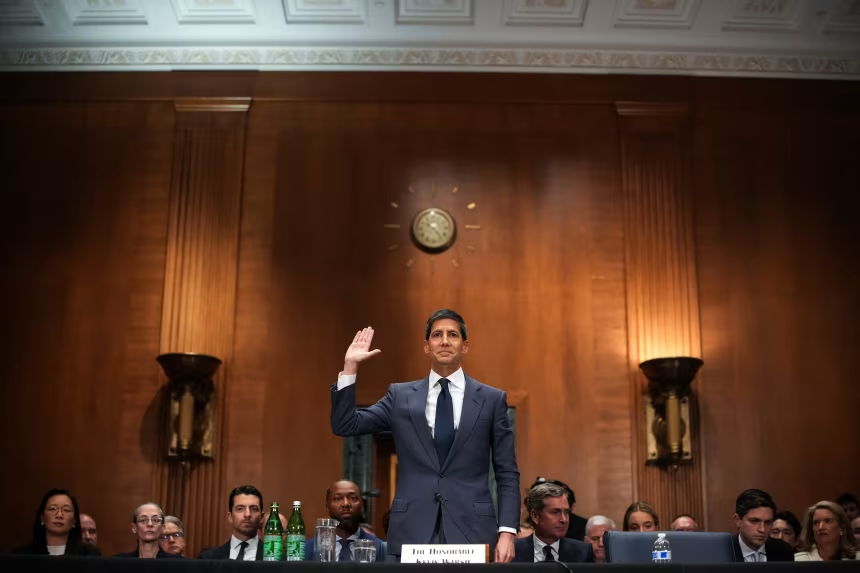
The US Senate confirmed Kevin Warsh as the next chair of the Federal Reserve on Wednesday, marking one of the most divisive votes in the institution’s modern history. Lawmakers approved the nomination in a 54–45 vote that split largely along party lines, with Democratic Sen. John Fetterman of Pennsylvania as the only crossover vote in support.
Warsh will succeed Jerome Powell, whose tenure as Fed chair comes to an end this week after eight years shaped by repeated economic shocks and political confrontation with the White House. Powell will remain on the Federal Reserve Board as a governor for now, a rare move that echoes the post-chair role of Marriner Eccles in the late 1940s.
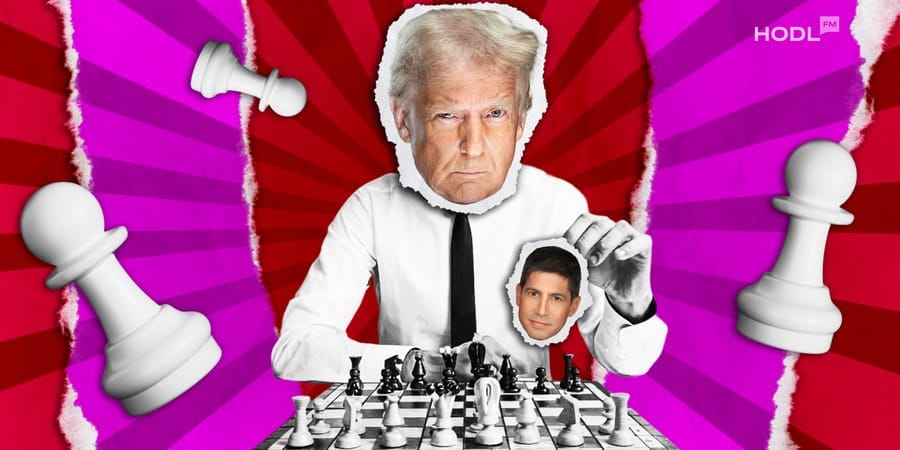
The confirmation delivers a key victory for President Donald Trump, who has long criticized the Fed’s monetary policy and openly pushed for lower interest rates. Trump’s clashes with Powell defined much of the central bank’s recent political pressure, and that tension formed the backdrop to Warsh’s nomination and confirmation process.
Inflation and geopolitical tensions shape early outlook
Warsh takes office at a moment of renewed economic strain. Inflation reached a three-year high in April, according to the latest Consumer Price Index data, and continues to outpace wage growth. Rising energy prices linked to the US-Israeli war with Iran have added pressure to an already fragile outlook.
The inflation spike has complicated expectations for monetary policy. Investors now anticipate that the Federal Reserve may hold interest rates steady through the rest of the year, with some even pricing in the possibility of further rate increases if inflation accelerates.
This outlook could set up friction between Warsh and the White House. Trump has repeatedly demanded rate cuts and even joked earlier this year that he would sue Warsh if borrowing costs do not fall. Despite that pressure, the Fed chair does not control policy decisions alone. Rate moves require majority approval from the Federal Open Market Committee, where several members have already signaled concern about persistent inflation.
Warsh’s first Federal Open Market Committee meeting as chair is scheduled for June 16–17, where markets will closely watch for signals on the path forward.
A shift in Fed strategy and communication
Warsh is expected to introduce notable changes to how the Federal Reserve operates. He has indicated support for reducing the central bank’s $6.7 trillion balance sheet, a legacy of asset purchases from both the global financial crisis and the pandemic period.
Those purchases, known as quantitative easing, expanded the Fed’s role in financial markets through large-scale buying of Treasury bonds and mortgage-backed securities. Warsh has argued that such policies risk undermining the central bank’s independence by effectively supporting government financing.
He has called for a faster reduction of these holdings and a renewed focus on traditional tools such as interest rates. His approach also includes fewer policy meetings, fewer press conferences, and less forward guidance on rate decisions. These changes would mark a shift toward a more restrained and less communicative Fed.
Warsh has also suggested closer coordination with the Treasury Department on balance sheet matters and a reduction in the size of the Fed’s Washington-based workforce.
Crypto ties and policy stance draw attention
Warsh’s confirmation has drawn particular attention from the crypto sector. He becomes the first incoming Fed chair with direct financial exposure to digital assets and related firms. Financial disclosures show ties to companies and projects including dYdX, Polychain Capital, Dapper Labs, and token holdings linked to networks such as Solana and Optimism.
He has previously described bitcoin as “an important asset that can help inform policymakers” and said at a Hoover Institution event that “Bitcoin doesn’t trouble me.” He framed the asset as a signal of market confidence in monetary policy rather than a threat to the US dollar.
His stance could influence how the Federal Reserve engages with digital assets at a time when lawmakers are considering new regulatory frameworks, including the upcoming Clarity Act.
A contentious path to confirmation
The road to confirmation proved unusually difficult. The process stalled after Republican Sen. Thom Tillis pushed for the Department of Justice to drop an investigation into Powell related to testimony about cost overruns at the Fed’s headquarters renovation.
The probe, led by US Attorney Jeanine Pirro, raised concerns among Democrats about political interference in the central bank. Powell responded in a video statement, calling the investigation part of broader “threats and ongoing pressure” from the administration.
The Justice Department later dropped the probe but left open the possibility of revisiting the case if new findings emerge from the Fed’s inspector general.
During his confirmation hearing, Warsh faced questions about whether he could maintain the Fed’s independence under continued political pressure. He rejected those concerns and pledged to keep monetary policy “strictly independent.”
Transition begins under close scrutiny
As Warsh prepares to take over, Powell has said he will support the transition while stepping back from public visibility. “Keep a low profile as a governor,” Powell noted in his final remarks as chair.
The leadership change comes at a delicate moment for the global economy. Inflation remains above the Fed’s 2% target, geopolitical risks persist, and markets remain uncertain about the direction of interest rates.
Warsh enters the role with experience inside the central bank and close alignment with the administration that appointed him. Whether he can balance those dynamics while preserving the Fed’s credibility will shape the next phase of US monetary policy.
 Tanya Petrusenko
Disclaimer: All materials on this site are for informational purposes only. None of the material should be interpreted as investment advice. Please note that, despite the nature of much of the material created and hosted on this website, HODL FM operates as a media and informational platform, not a provider of financial advisory services. The opinions of authors and other contributors are their own and should not be taken as financial advice. If you require advice, HODL FM strongly recommends contacting a qualified industry professional.