


Everyone in cryptocurrency has a story. A colleague who had money on an exchange that collapsed. Another who lost their funds because their wallet was drained via a phishing attack. Or someone whose money was locked up in an account that could not be accessed.
Without your private keys, you are not in control of your crypto assets. You have an IOU from the corporation, which could be subject to hacks, bankruptcy, or even freeze your account at any moment. This was proven by FTX users when they lost $8 billion in 2022.
A hardware wallet solves this. It keeps your private keys completely offline. Nothing connects to the internet, nothing gets exposed.
The devices have gotten much better too. Early hardware wallets were clunky and confusing. Now you have color touchscreens, Bluetooth, NFC tap-to-sign cards, and fully air-gapped devices for anyone who wants maximum isolation. There is something for every type of holder.
What is a hardware wallet?
A hardware wallet for crypto involves storing your keys offline via physical devices. In transferring the cryptocurrency, you plug the wallet into your computer, check the transaction on the screen of the wallet, and confirm it. The process of signing transactions is done within the hardware wallet.
As opposed to crypto software wallets such as MetaMask or Trust Wallet, which operate via Internet-linked devices, hardware wallets eliminate the danger of your funds being stolen. With a single fraudulent action, all of your assets may be gone forever since the keys will not remain offline.
Convenience becomes the trade-off. These wallets are meant to be used when doing ten DeFi transactions a day is not the priority. The priority is ensuring safety of your most valued assets. If you want to understand how hardware wallets stack up against other options, check out this breakdown of types of crypto wallets before diving in.
Top hardware wallets to consider
Here is how the leading options compare, based on specs, security architecture, and price. This comparison is based on published specs, official documentation, and verified third-party security research, not hands-on device testing.
Ledger (Nano S Plus, Nano X, Flex)
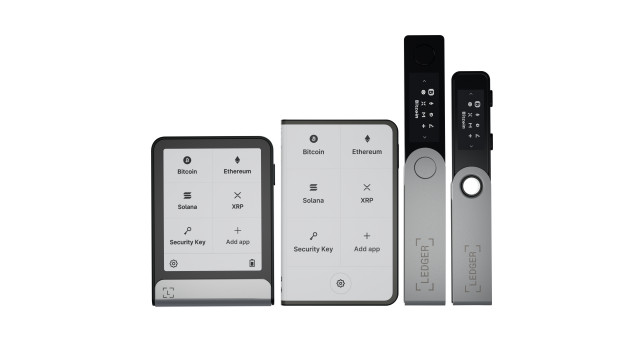
The Ledger wallet is the most widely sold crypto hardware wallet brand in the world, with over 8 million devices sold to date. Three models cover most people right now.
The Nano S Plus is $59. USB-C only, no Bluetooth, but supports 15,000+ coins with an EAL5+ certified secure chip. Solid, no-frills cold storage. The Nano X at $149 adds Bluetooth and a built-in battery for proper mobile use, including iPhone wireless connection. The Flex adds an E Ink color touchscreen for a cleaner signing experience.
Two important facts that you should be aware of. First, the Ledger’s firmware is closed-source, so you don’t know what software your device really uses. Secondly, Ledger experienced multiple security breaches before. In 2020, the hackers stole emails of 1.1 million users and 272,000 accounts, including home addresses and contact phone numbers. The stolen information was used by hackers for phishing and extortion for several years after that. Ledger has also had repeated issues with third-party vendors exposing customer order data, a pattern worth knowing before you hand over your shipping address. Your hardware wallet remained intact, though.
Trezor (Safe 3, Safe 5)
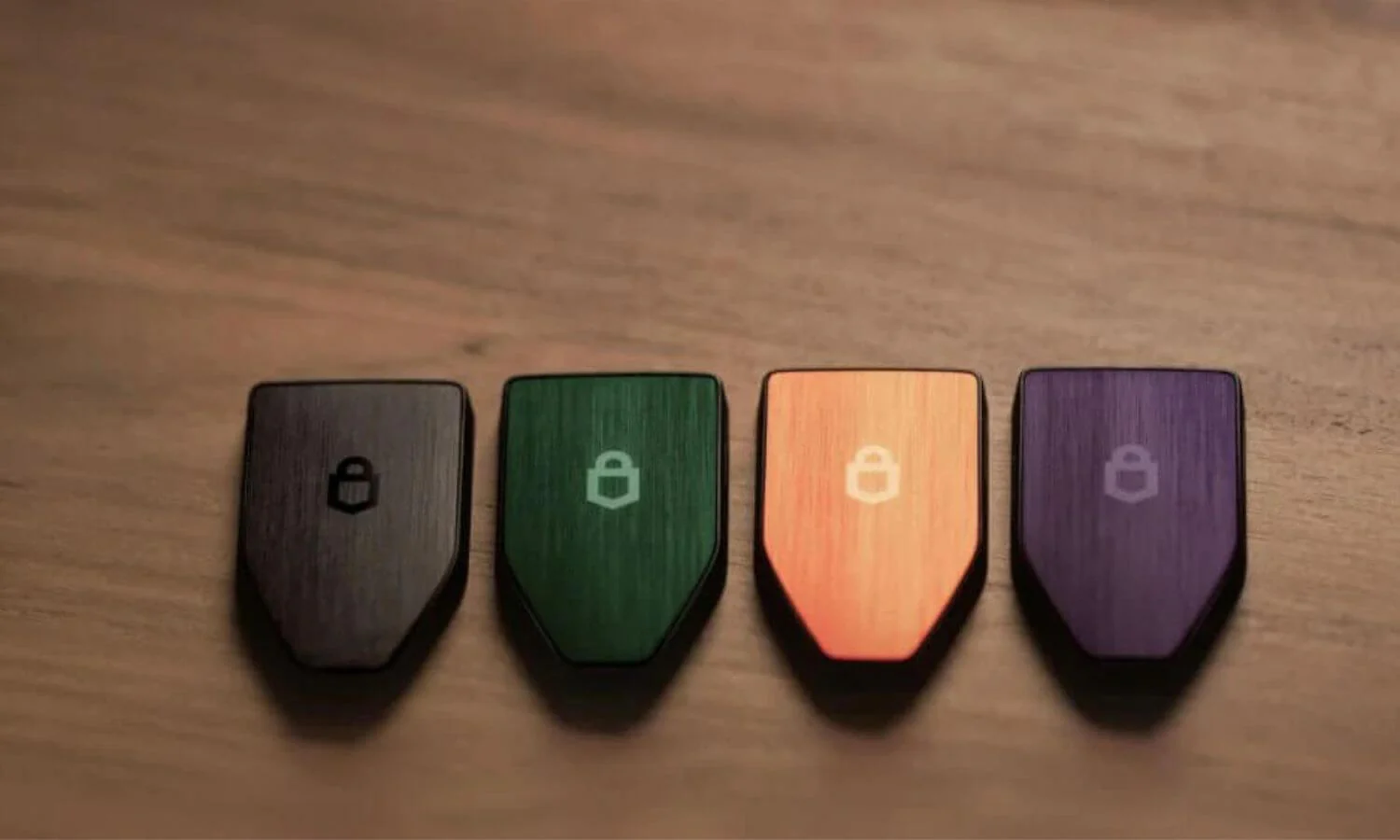
Trezor wallet is the open-source alternative for Ledger. All the firmware is open to review by the community. This is because anyone is free to view the software and report any loopholes within its coding structure. Transparency of the wallet is the primary reason why some consumers opt for Trezor.
At $129, Safe 5 includes a colorful screen with touch feedback, EAL6+ secure element chip, microSD card, and a recovery seed that requires twenty words. At $59, Safe 3 incorporates the same technology but at a reduced price. None of the two models includes Bluetooth capability.
Coldcard Mk5
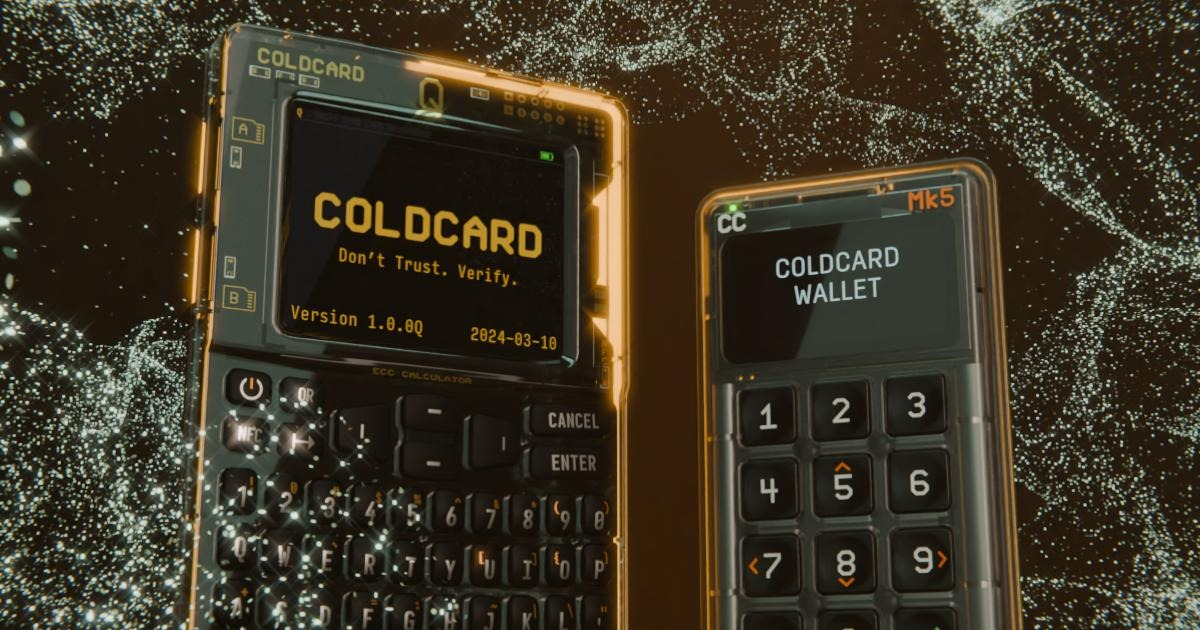
The bitcoin hardware wallet for people who take Bitcoin security seriously. Coldcard is Bitcoin-only, fully air-gapped, and signs transactions via microSD or QR codes only. No USB data, no Bluetooth, no network contact of any kind. The Coldcard Mk5 uses dual secure elements, fully open-source firmware, and runs about $169.
It is not beginner-friendly. Small screen, numeric keypad, and a real learning curve. It also cannot help you with altcoins. But for long-term Bitcoin storage with zero network exposure, nothing else on this list matches it.
Tangem
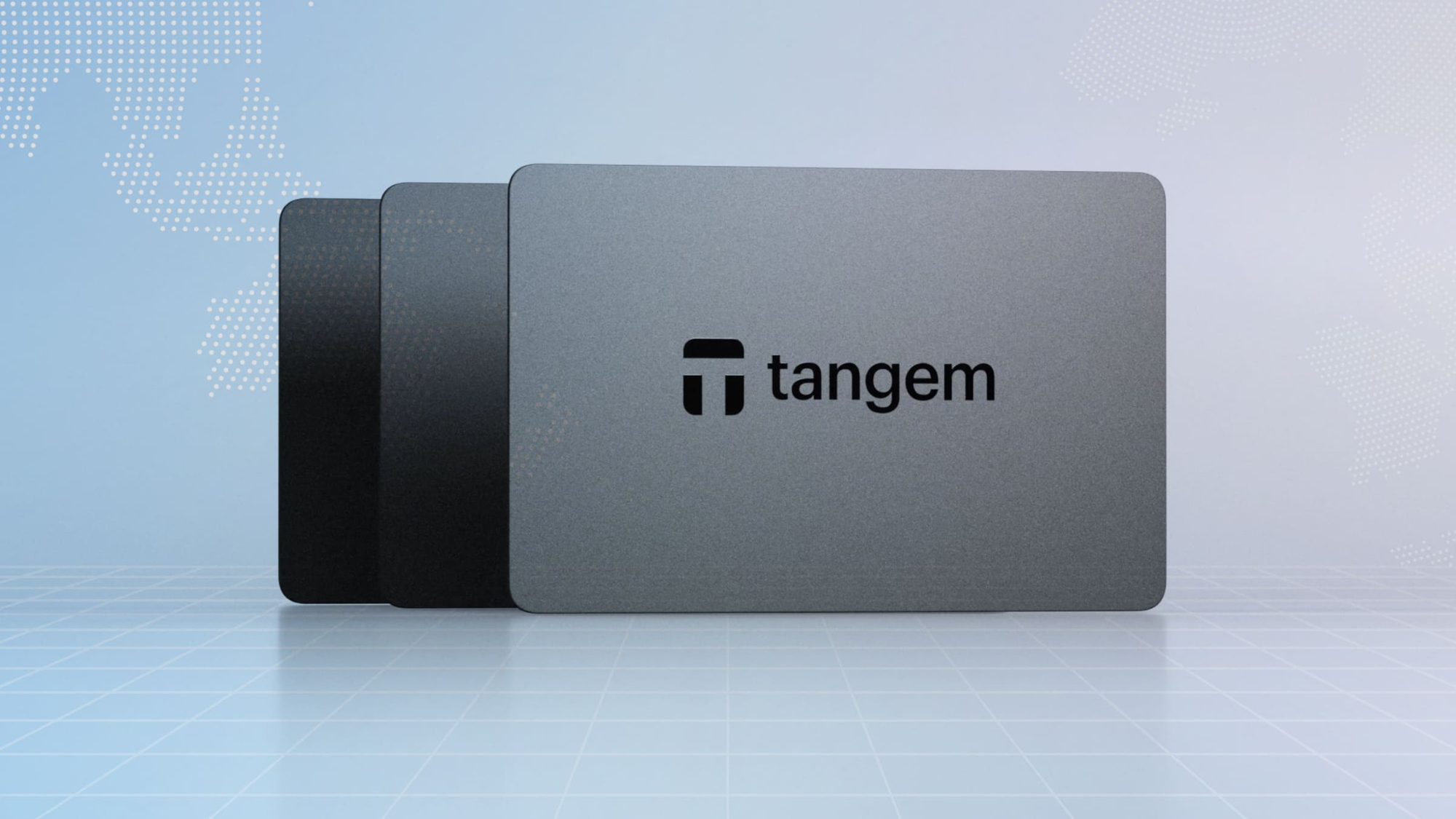
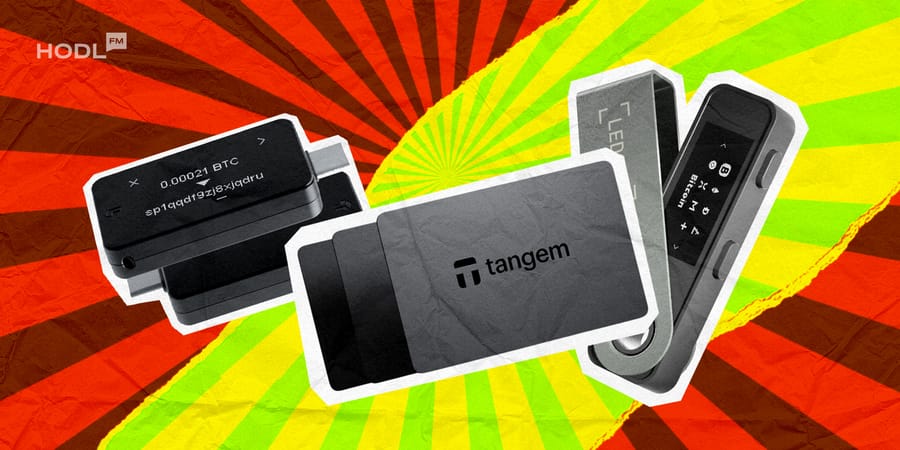
A completely different kind of offline crypto wallet. Tangem is a set of NFC credit-card-sized cards. Tap one to your phone, confirm in the app, and you are done. No cables, no charging, IP68 rated for water and dust.
However, Tangem comes set up by default without the seed phrase. Three identical cards will give access if any two are used. This eliminates what has been the biggest vulnerability because crypto losses come from phishing or photo capture of seed phrases, not hacking the hardware. The three cards cost about $63. Other issues include proprietary software, lack of an on-device display for address checking, and the requirement for NFC support on your smartphone. An issue with the app for logging in 2024 was discovered but patched.
BitBox02
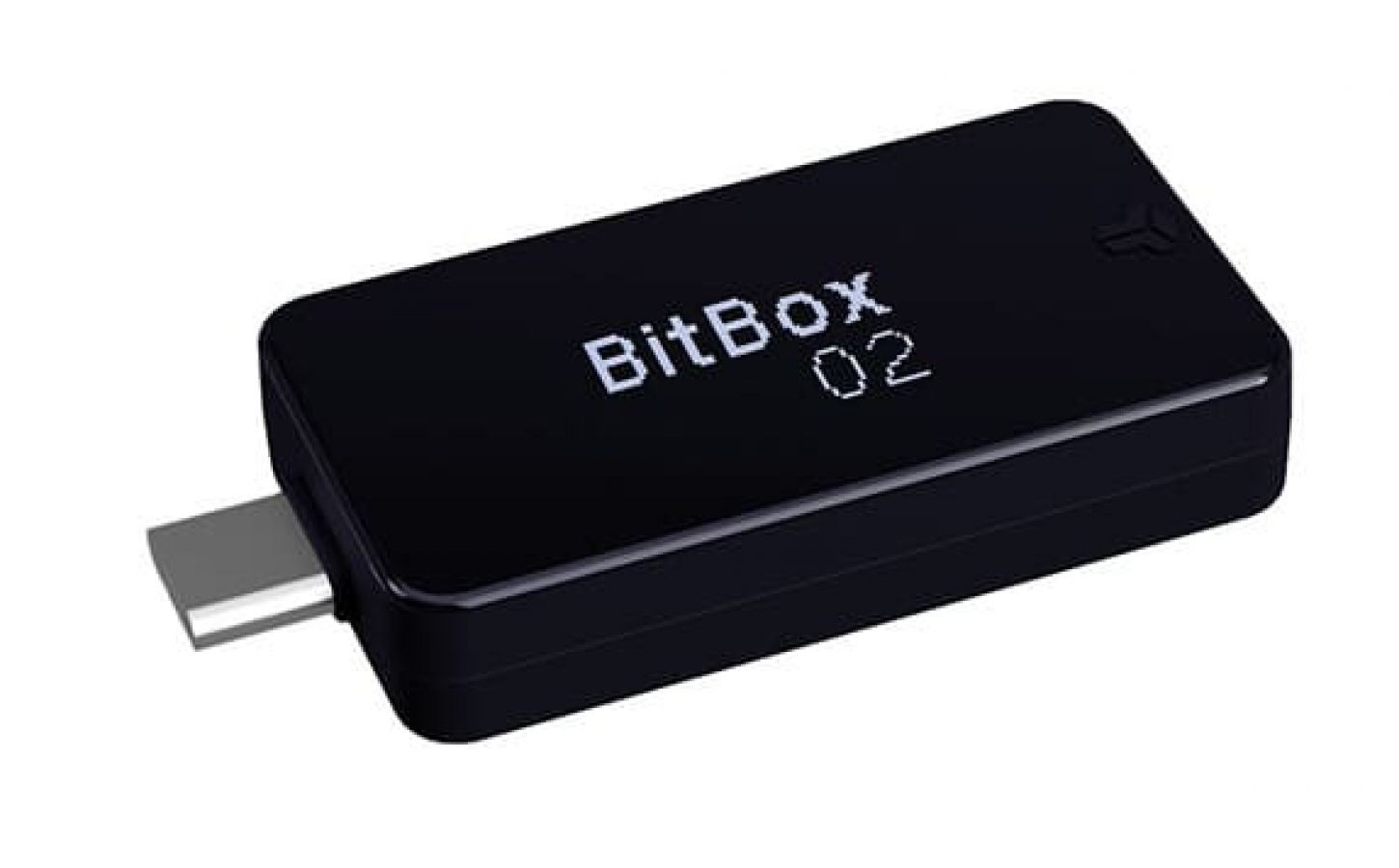
BitBox02 by Swiss firm Shift Crypto does something most wallets cannot: open-source firmware with a dedicated secure element chip. Most open-source wallets skip the secure chip to keep code fully auditable. BitBox02 has both through a dual-chip design.
Available in Bitcoin-only and multi-version. Multi supports Bitcoin, Ethereum, and ERC-20 tokens among about 1,500 coins. USB-C only, sleek desktop wallet, $163.
Blockstream Jade
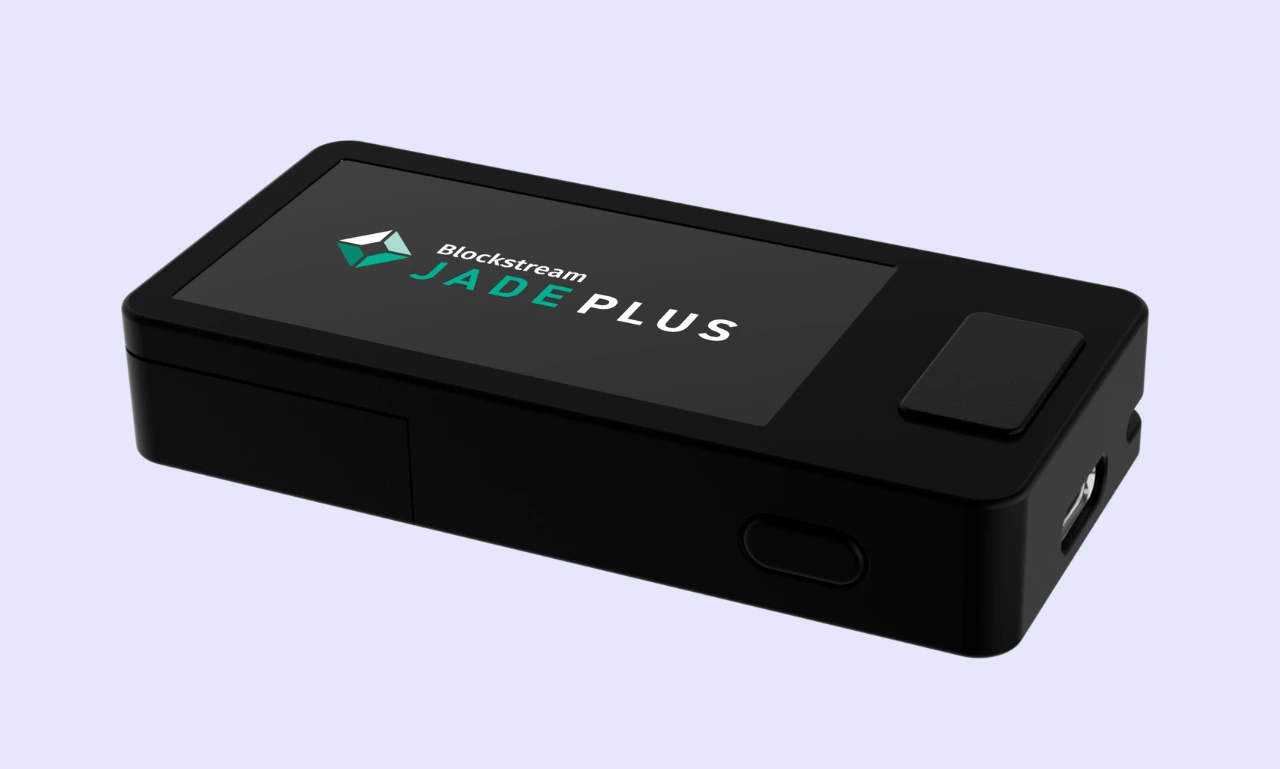
Blockstream now runs three wallet models. Jade Core at $99 is the entry point, built on the same open-source foundation with a streamlined setup aimed at everyday users. The original Jade sits at $79 and remains on sale with full firmware support. Jade Plus goes from $149 to $169 depending on the finish and adds a larger screen, metal build options, and an upgraded QR camera. All three connect via USB or Bluetooth and support air-gapped signing through a QR camera. The PIN unlocks through a blind oracle rather than a dedicated secure element, which is worth understanding before relying on any of them for large holdings. For the best cold wallets access on a budget, this lineup still offers the most open-source transparency per dollar.
Hardware wallet comparison table
All prices are current at time of writing. Always confirm on the official site before purchasing.
Common risks and mistakes to avoid
Unofficial sources. Criminals will send you tampered wallets to an address obtained from a data breach. These devices come in packaging and appear legitimate. This firmware is designed to obtain the seed phrase when initializing the wallet. Buy from the official manufacturer site or from authorized resellers.
Loss of the recovery phrase. The hardware can be replaced. Not the recovery phrase. Once this is lost, so too are the funds associated with the account. This should be stored in a physical location away from the hardware wallet, and should never be inputted into any online service.
Phishing. Scam messages use real purchase data to appear credible. The fact is, there’s no hardware wallet manufacturer out there that would contact you asking for your recovery phrase via email, phone, or chat. Consider all such contacts scams.
Bypassing the screen of the device. Malware can alter the destination address on your PC without modifying the wallet. Never approve transactions without checking the destination address and amount on the hardware device screen.
Backups using only paper. Paper degrades over time and does not survive fire or water damage. A metal recovery key such as Cryptosteel will cost $30 to $60 and will endure fire and floods. If you rely solely on the recovery phrase as a safeguard, then be prepared for that eventuality.
Final thoughts
An secure crypto wallet using hardware will still be the best solution for the safekeeping of your crypto funds in the long run. You are in full control of your keys, which remain offline.
Ledger covers the widest coin range and works well on mobile. Trezor is the stronger pick if open-source firmware matters to you. Coldcard is purpose-built for Bitcoin holders who want zero network exposure. Tangem is the friendliest entry point for newcomers. BitBox02 and Jade cover people who want open-source protection at different price points.
The best hardware wallet for you is the one that fits how you actually hold crypto and how seriously you take protecting it.
 Tanya Petrusenko
Disclaimer: All materials on this site are for informational purposes only. None of the material should be interpreted as investment advice. Please note that, despite the nature of much of the material created and hosted on this website, HODL FM operates as a media and informational platform, not a provider of financial advisory services. The opinions of authors and other contributors are their own and should not be taken as financial advice. If you require advice, HODL FM strongly recommends contacting a qualified industry professional.