


Right now, there are like 559 million people who hold crypto all around the world. That’s more than the whole population of the EU, not joking. Still, depending on where you live, you could end up handing over 45% tax on your gains, sort through these confusing regulations, or basically work in some legal gray zone that nobody ever really bothers to fix.
Where you live, or where you set up a crypto business, changes everything. Two people can make the exact same trade and walk away with very different outcomes based purely on their country's tax rules. Here's what the most crypto-friendly countries in 2026 actually offer.
What actually makes a country crypto-friendly?
The label gets used loosely. A country can call itself friendly while still making it impossible to open a bank account for a crypto business or taxing every trade you make. Here's what actually matters when comparing the best crypto countries:
- Legal clarity: Is crypto actually recognized by law? Can you hold and trade it without getting scared that the rules will shift overnight for no clear reason?
- Tax treatment: In some places, crypto gains get ignored completely, no tax at all. Elsewhere, it’s handled like earnings and taxed at your highest bracket. The difference is huge.
- Banking that works: Plenty of places look good on paper, but crypto companies can't get a real bank account. That kills a business fast.
- Room to build: Licenses, regulatory sandboxes, and government programs for startups signal a country that actually wants the industry.
The countries on this list do well across most of these. Zero tax with no legal structure isn't truly friendly. It's just unregulated.
Top crypto-friendly countries in 2026
Here are eight places where crypto users and businesses are genuinely welcome, backed by current, verified information.
United Arab Emirates
If you're asking which country does the most for crypto investors right now, the UAE is hard to argue against. There's no personal income tax and no capital gains tax on crypto. What you make, you keep.
Dubai's Virtual Assets Regulatory Authority (VARA) was the world's first regulator built specifically for crypto. Then, in March 2026, VARA rolled out a formal set of rules for crypto derivatives trading, and it ended up being one of the earliest worldwide to actually cover that specific product.
And yeah, for businesses in free zones, you can often dodge the 9% corporate tax completely. It’s not like some other “no tax” areas that are basically just letterboxes, because the UAE actually has functioning banks that will work with crypto companies, at least in practice.
Switzerland

Switzerland has been building up its crypto reputation for around a decade now. The canton of Zug, often called “Crypto Valley,” is home to roughly 1,750 blockchain companies by 2026, with the Ethereum Foundation also listed there. The local government lets people pay taxes with Bitcoin up to CHF 1.5 million. Meanwhile, private investors see zero capital gains tax on crypto that they hold as personal assets. And if you look at corporate taxes in Zug, they begin at 11.85%, which is pretty much the lowest level across Western Europe.
For 2026, Switzerland began gathering transaction data to share with 74 countries under the OECD transparency deal. The first real data exchanges are set to start in 2027. It's not a crackdown. It's Switzerland aligning with the same transparency standards traditional banking already follows.
Singapore
Singapore isn’t exactly the easiest spot to pick up a crypto licence, and honestly, that’s kind of the whole point. Only 29 firms still hold an active Major Payment Institution licence for crypto services via the Monetary Authority of Singapore (MAS). To get on that list, you have to clear a pretty strict compliance review. The end result is a market where badly managed platforms don’t really make it; they just don’t last.
Individuals pay no capital gains tax. Meanwhile, business revenue tied to crypto gets taxed at 17%. On top of that, exchanges are required to stash 90% of customer money in cold storage. Singapore is also running trials around tokenized government securities and is drafting stablecoin rules in 2026, which sorta signals that the government is thinking about what’s coming after, not only dealing with what’s happening right now.
European Union: Malta and Germany
The Markets in Crypto Assets regulation (MiCA) by the European Union has become effective from July 1, 2026. Obtain the necessary license to operate in any one of the 27 EU member states, and you will have the freedom to do business anywhere in the EU zone.
Here are two European countries friendly to the crypto market. Malta passed three dedicated crypto and blockchain laws in July 2018, making it the first country in the world to regulate the sector, years before MiCA existed. Residents having tax residency in this country for 183+ days in a year qualify for reduced rates up to 0-5%. In Germany, gains are exempted from taxation on long-term capital appreciation when the cryptocurrency is held for more than a year. Short-term gains below €1,000 per annum are also exempted.
Portugal
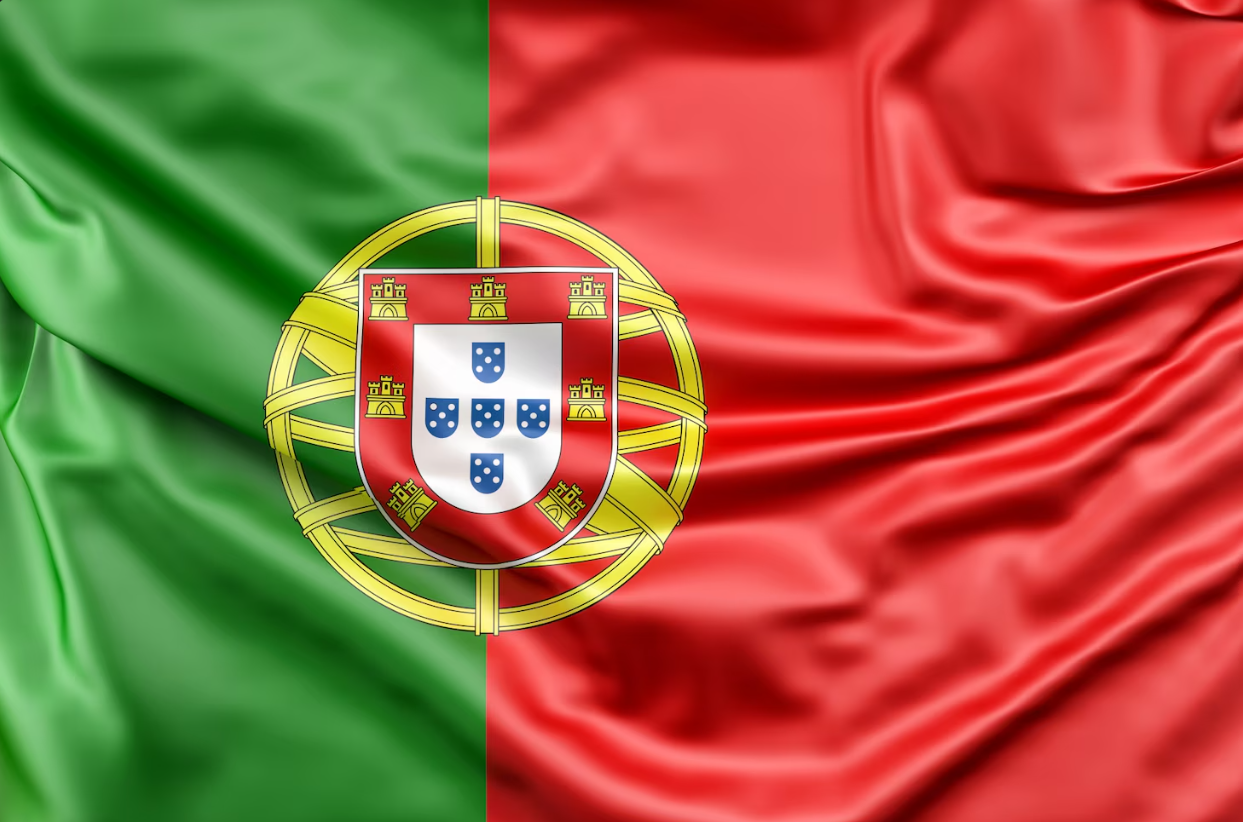
Portugal is still one of the best-known crypto tax haven countries in Europe, and the main benefit is still there. Hold your crypto for more than 365 days, and gains are tax-free. Sell within a year, and you pay 28% on short-term gains. Swapping one crypto for another isn't taxed at all. Only cashing out to euros is a potential taxable event. The long-term exemption is still fully in place in 2026, and the IFICI residency program (the updated NHR) offers a 20% flat rate for qualifying professionals.
El Salvador

El Salvador's Bitcoin story has taken a few turns. In January 2025, the country changed its Bitcoin law as part of a $1.4 billion IMF deal, removing the rule that forced businesses to accept it. But the country still holds over 7,677 BTC in its national treasury, and zero capital gains tax on Bitcoin is still in effect.
Crypto-friendly countries in Africa: South Africa leads
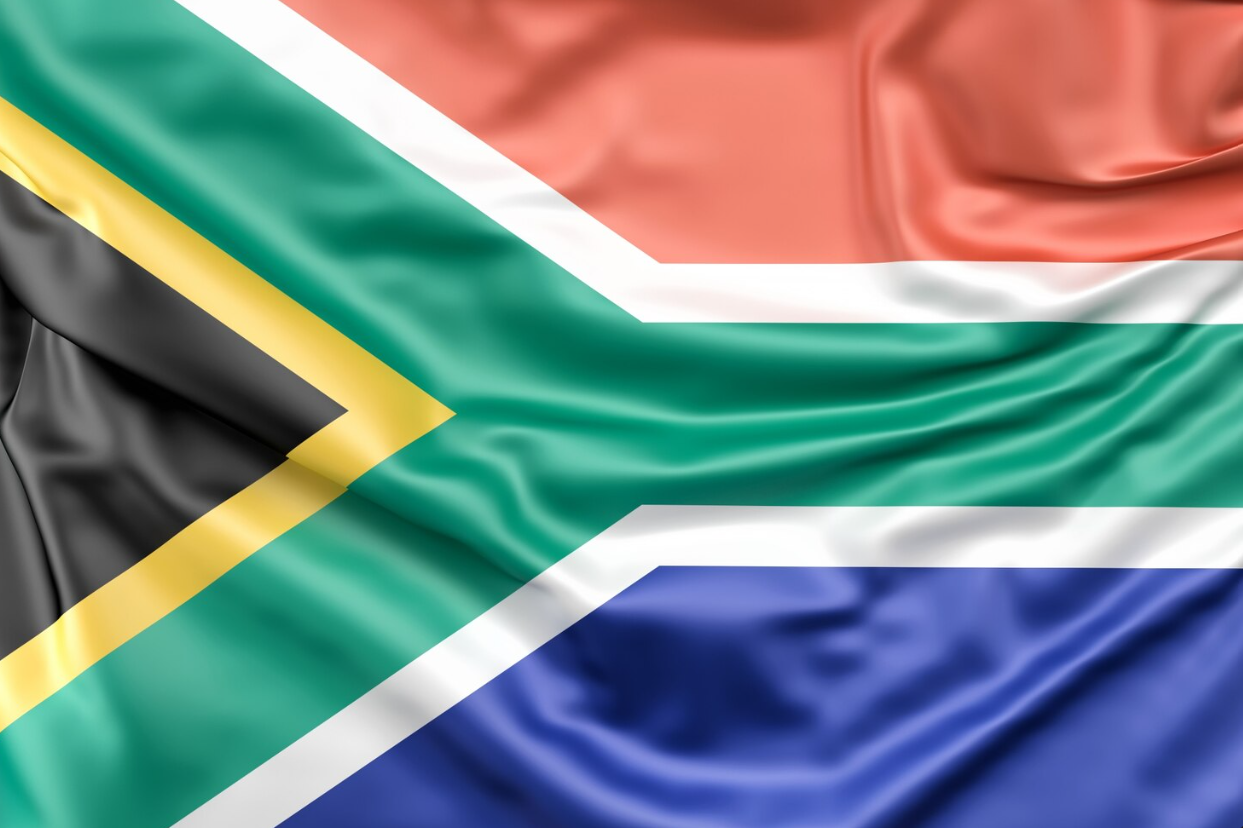
While Africa is not mentioned as often in these talks, the figures will prove the contrary. There was a whopping $205 billion worth of value processed on the continent from July 2024 to June 2025, representing an increase by 52%.
South Africa takes center stage as the most crypto-friendly nation on the continent of Africa. The Financial Sector Conduct Authority has issued licenses to 248 crypto-based firms, making it perfectly legal for firms to do business.
Best countries for crypto taxes
With reducing taxes being the priority, below is an outline of the best cryptocurrency tax havens to consider in 2026.
- UAE: No personal income tax or capital gains tax on crypto. Companies in free zones might not pay any corporate tax.
- Germany: Zero tax on crypto held for over one year. Short-term gains under €1,000 per year are also exempt.
- Portugal: Zero tax after holding 365+ days. Crypto-to-crypto trades are also completely tax-free.
- El Salvador: Zero capital gains tax on Bitcoin, still in place after the legal tender change.
- Georgia: Zero personal tax on crypto gains for individuals. 15% corporate tax for businesses.
- Singapore: No capital gains tax for individuals. Business crypto income is taxed at 17%.
- Malta: Between 0% to 5%, depending upon tax resident qualifications, spending at least 183 days in the country every year.
- Cayman Islands: No corporate, capital gains, or any income taxes. Mostly utilized by institutional cryptocurrency funds.
A bit of honesty here: No tax is appealing until you factor in the residence qualification, limited banking options, or inability to conduct business.
Where crypto regulation by country is heading
The big shift in 2026 is transparency. More than 40 countries are rolling out the OECD's Crypto-Asset Reporting Framework (CARF), which requires exchanges to share user transaction data with tax authorities, the same way banks already do. Switzerland started collecting that data in January 2026. Most countries begin sharing internationally in 2027.
MiCA, the European Union’s regulation, is what others aim to match. Africa is taking shape more quickly than many anticipated. The US continues to be a hodgepodge of conflicting state laws and regulations, which makes it difficult to consider it one of the top destinations for cryptocurrency firms, even with its recent approval of Bitcoin and Ethereum spot ETFs.
Which country is right for you?
The answer genuinely depends on who you are and what you need.
If you're an individual investor in Europe who wants to minimize tax on long-term holdings, Germany's one-year rule or Portugal's 365-day exemption are both strong options without leaving the continent. The UAE is the top pick globally if you're open to relocating. For businesses, Singapore and the UAE offer real regulatory infrastructure with working banking. A MiCA licence in Malta or Germany unlocks the entire EU. South Africa is the entry point for African markets.
What the top crypto-friendly countries share is this: they've made a genuine decision to welcome the industry rather than just tolerate it.
 Maryna Hornieieva
Disclaimer: All materials on this site are for informational purposes only. None of the material should be interpreted as investment advice. Please note that, despite the nature of much of the material created and hosted on this website, HODL FM operates as a media and informational platform, not a provider of financial advisory services. The opinions of authors and other contributors are their own and should not be taken as financial advice. If you require advice, HODL FM strongly recommends contacting a qualified industry professional.