






10 January 2024 marked the day when the SEC authorized 11 spot Bitcoin ETFs at once, resolving regulatory issues that had prevented American investors from accessing Bitcoin via ETFs for years. In conventional finance, the impact was substantial because pensions, RIAs, and regular brokerage accounts could now hold Bitcoin without using crypto exchanges.
It has been a real marketplace race, with some companies leading the race when it comes to their assets under management and volume, while others remain stagnant. Prices have dropped, custodianship arrangements have become varied, and there have even been variations in areas that were previously very standardized.
Combined spot BTC ETF AUM surpassed $100 billion within the first year of trading, a milestone that took gold ETFs nearly two decades to reach. That pace of adoption isn't just a milestone stat. It tells you how much latent demand existed among investors who wanted Bitcoin exposure but had no clean way to access it inside regulated accounts.
Top spot Bitcoin ETF funds worth watching
Competition has separated the leaders from the rest. The funds below account for most of the total spot BTC ETF assets and daily volume, with differences worth knowing before allocating.
BlackRock iShares Bitcoin Trust (IBIT)
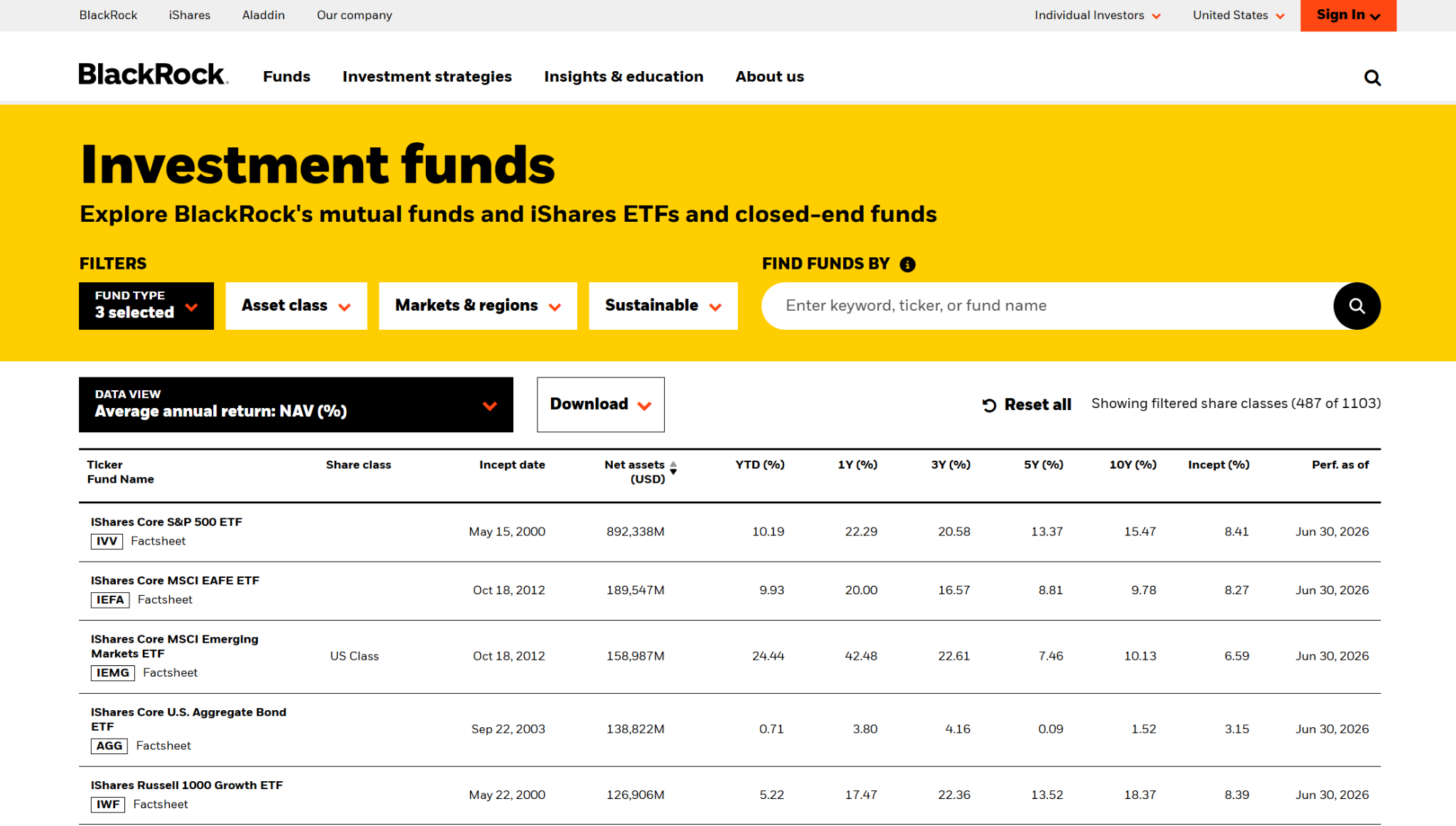
IBIT is the dominant player in the space. IBIT launched on January 11, 2024, and reached the $10 billion AUM mark in only 49 trading days, the fastest any ETF has hit that mark. IBIT eventually topped SPDR Gold Shares (GLD) in total assets, prompting allocators who had been ignoring Bitcoin for too long to take notice. The expense ratio is 0.25%, daily liquidity is institutional-grade, and the fund's infrastructure has already been stress-tested.
Fidelity Wise Origin Bitcoin Fund (FBTC)
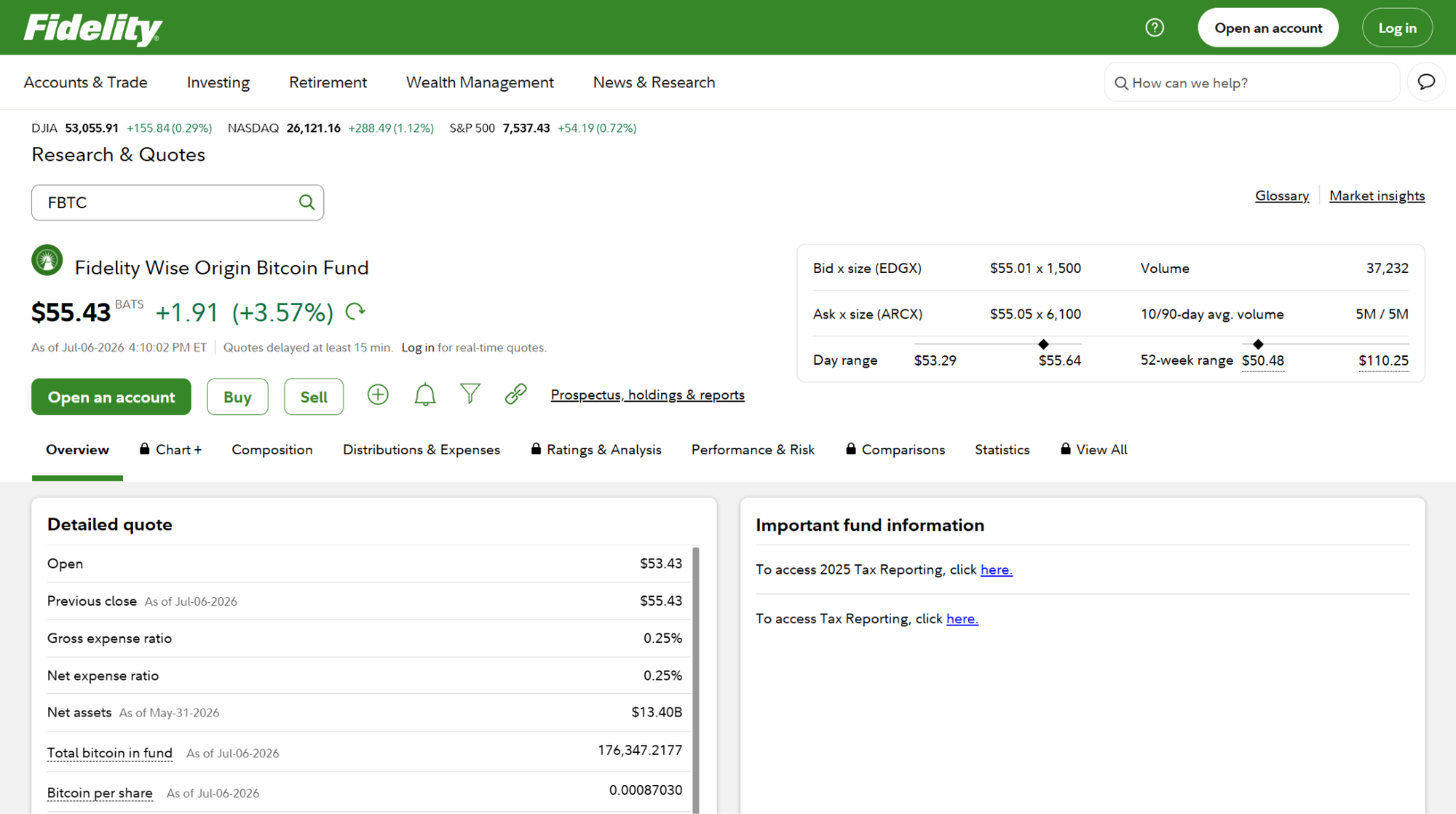
Fidelity's choice to use self-custody for FBTC's Bitcoin through Fidelity Digital Assets was a structural call. This matters for investors concerned with counterparty risk. The annual fee for FBTC is 0.25%, and it has consistently held second place in AUM in the spot ETF universe. Fidelity's established brokerage customer base has helped bring in steady assets, and FBTC's self-custody structure is its clearest differentiator from competitors using Coinbase.
Grayscale Bitcoin Trust (GBTC)
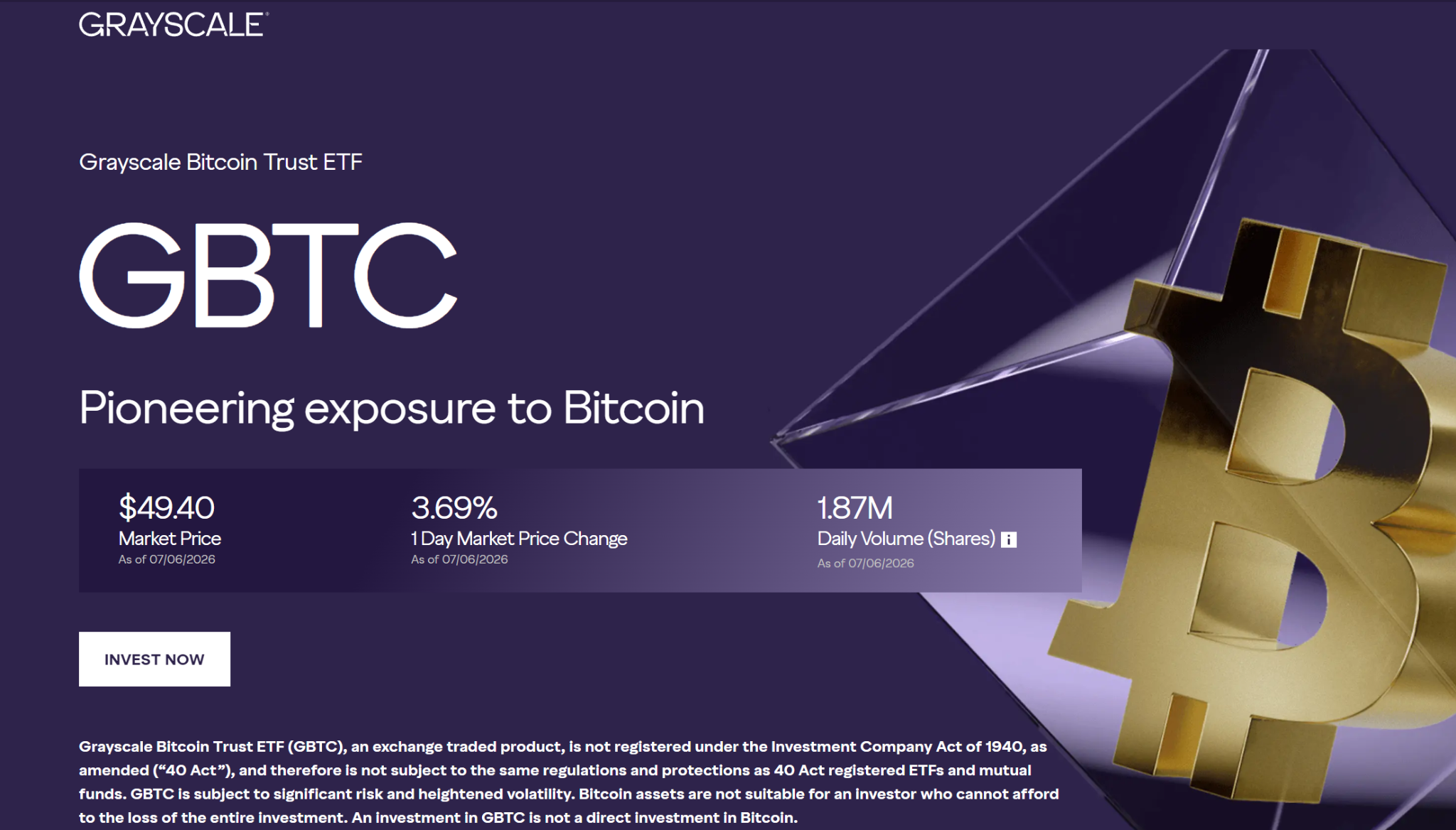
GBTC underwent a transformation into a spot ETF on January 11, 2024. Since then, the primary problem faced by GBTC is its 1.5% expense ratio, the highest among all spot ETFs. Outflows persist even post-conversion due to cheaper alternatives, except for those who were already invested. The bulk of GBTC's current investor base has accumulated the investment prior to 2021, during a time when the fund was trading at a premium or significant discount to its NAV. At the time of conversion, with the closing of the discount, selling the ETF would result in capital gains. This leaves the current investors in GBTC essentially captive to their cost basis.
Grayscale Bitcoin Mini Trust (BTC)
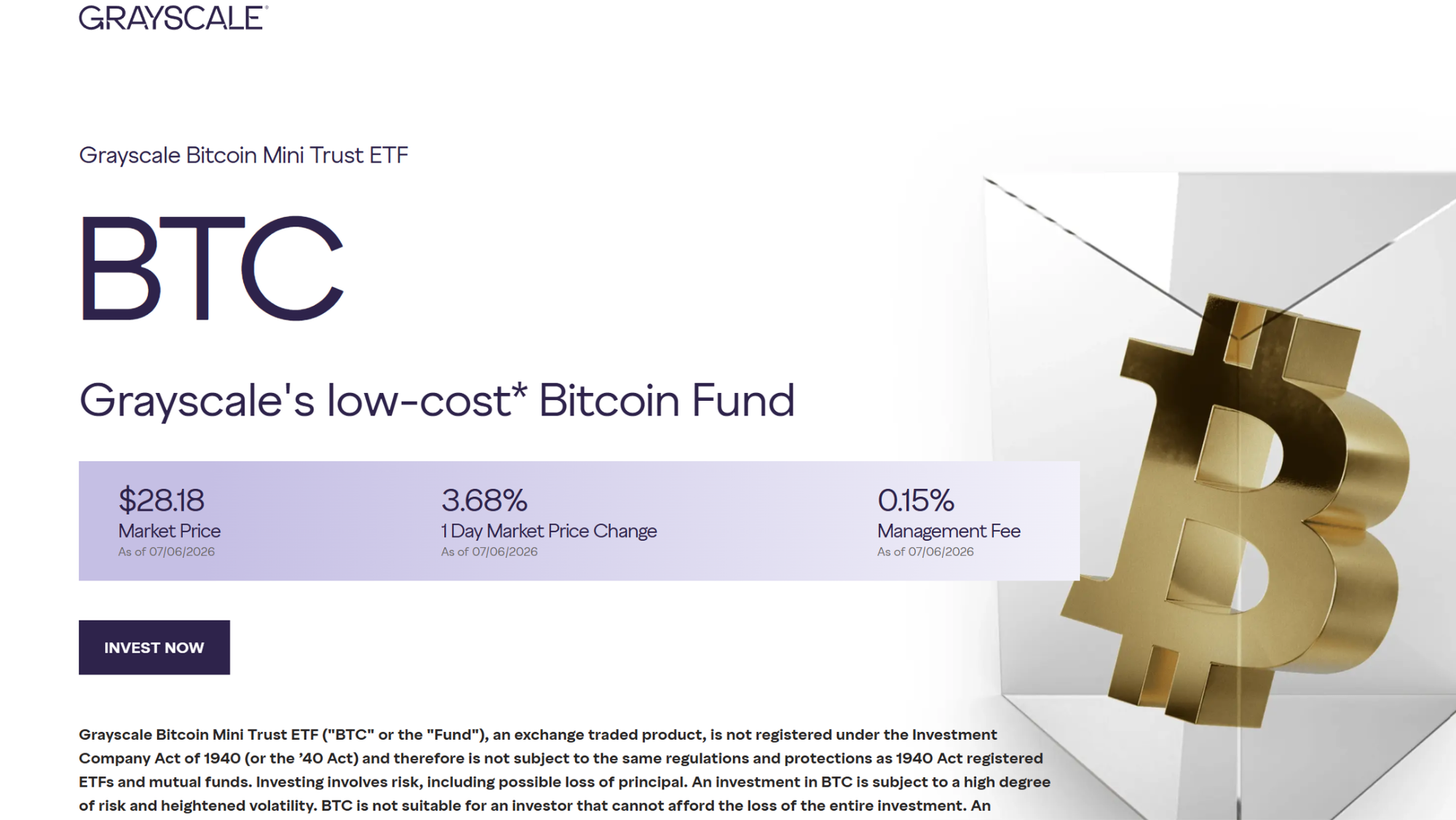
Grayscale introduced the Bitcoin Mini Trust in July 2024 as a response to this challenge, with an expense ratio of 0.15%. The Mini Trust received a direct transfer of assets from GBTC at launch, which gave it meaningful size from day one.
ARK 21Shares Bitcoin ETF (ARKB)
ARKB is a joint product between Cathie Wood's ARK Invest and 21Shares, the Swiss-based digital asset manager. ARK publishes an annual Big Ideas report arguing Bitcoin could reach $1.5M per coin by 2030, positioning ARKB as a thematic bet rather than passive price exposure. The expense ratio is 0.21% after its initial promotional period. ARKB tends to attract investors already positioned in other ARK funds who want consistent Bitcoin exposure within the same ecosystem.
Bitwise Bitcoin ETF (BITB)
Bitwise has been a pure-play crypto asset manager since 2017, well before ETF approval was realistic in the US. BITB charges 0.20%, and the firm publishes on-chain proof of reserves, setting it apart on transparency. Bitwise also pledges 10% of BITB profits to open-source Bitcoin development. The fund doesn't carry the AUM of IBIT or FBTC, but Bitwise's research team has published institutional grade Bitcoin market reports since 2018
VanEck Bitcoin ETF (HODL)
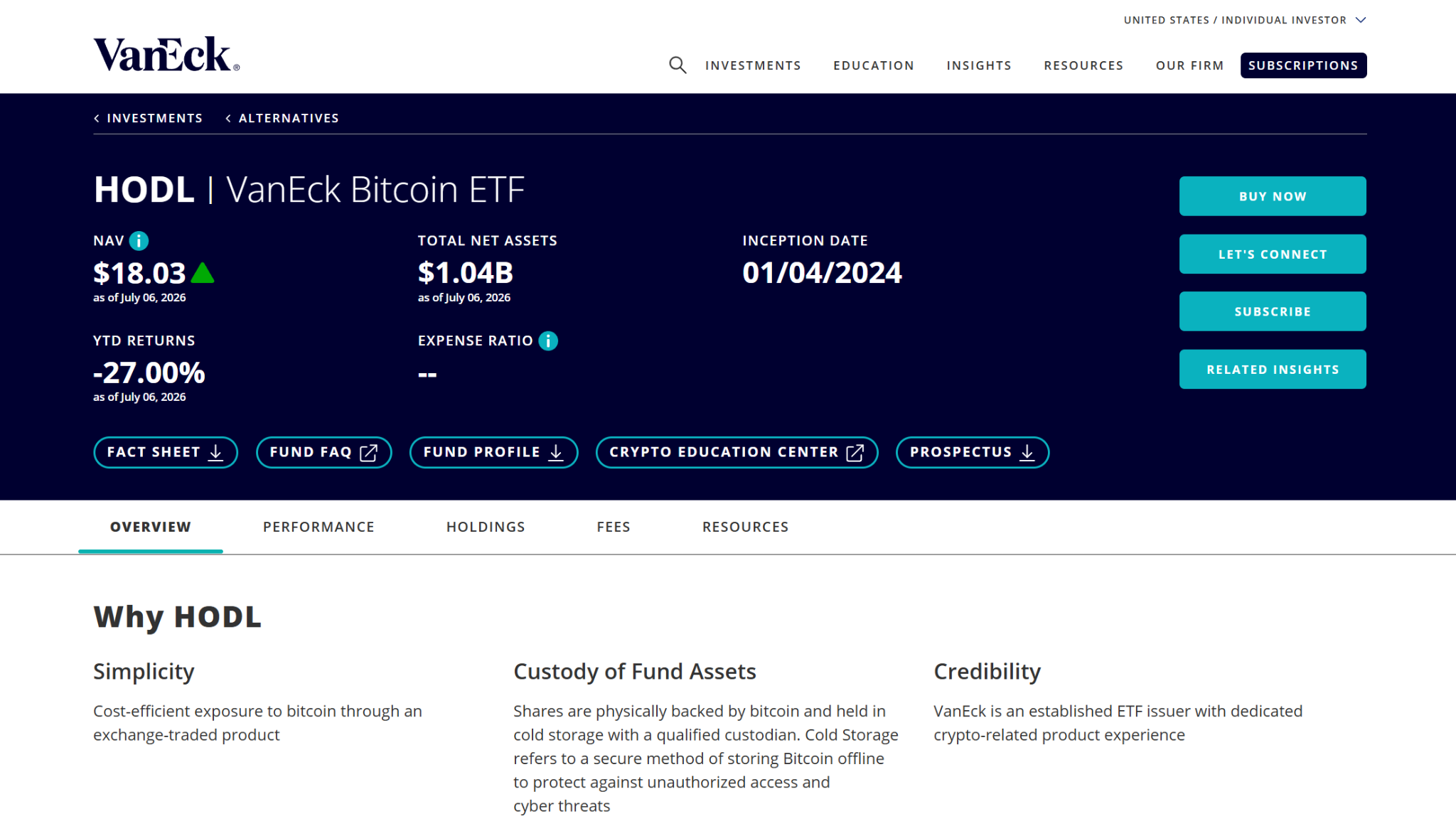
VanEck has offered Bitcoin investment products since 2020, and HODL reflects that experience. The expense ratio is 0.20%, and VanEck commits 5% of HODL revenue to Brink, the nonprofit that funds Bitcoin protocol developers. It's not just a fee-efficiency story. Investors who see support for the development ecosystem as part of thoughtful Bitcoin exposure will find HODL aligns with that perspective.
Franklin Bitcoin ETF (EZBC)
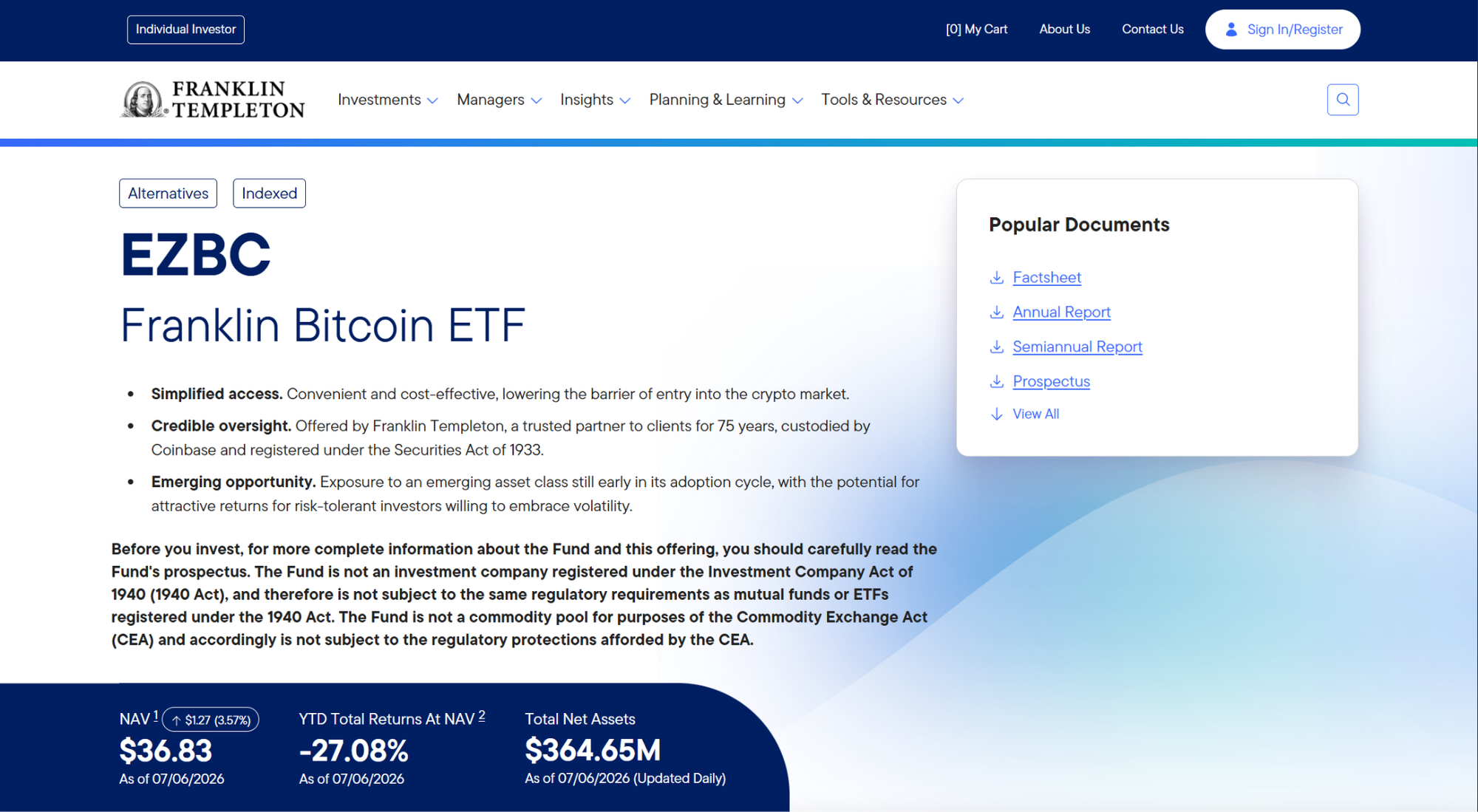
Franklin Templeton provides institutional credibility and competitive pricing. EZBC also logs its transactions on both the Stellar and Polygon blockchain networks, which is unusual. That may make the fund less appealing to the typical institutional investor, but for those focused on fees, it is worth considering.
Risks worth understanding before you buy
Spot Bitcoin ETFs have made BTC exposure simpler, but they haven't changed what Bitcoin is. Several structural risks are worth knowing before you allocate, and they matter even more when you compare funds against one another.
Custodial concentration
Custody risks have become systemic in most spot Bitcoin ETFs, where Coinbase Custody serves as the primary custodian for many of them. If something goes wrong with Coinbase, it will impact all of the funds together. This is one reason why the custody framework is important to examine, and this is one of the reasons why Fidelity has its own custody framework. Seven of the eleven originally approved spot ETFs, including BlackRock, ARK 21Shares, Bitwise, VanEck, Invesco, and Franklin, named Coinbase Custody Trust Company as their custodian in their SEC filings. Grayscale also uses Coinbase for its funds. That makes Fidelity the only major issuer in this space with a genuinely independent custody arrangement. When one institution holds the keys to most of the market, that concentration deserves more attention than it typically gets.
Fee waivers don't last.
There have been several funds created with temporary waivers of the expense ratio to attract more assets under management (AUM). However, most have already lapsed or are structured to lapse later, once asset size grows. That means today's fee advantage may not last, so it is worth checking where the stated expense ratio may settle after any waiver ends.
Market and regulatory risk
Spot Bitcoin ETFs are registered with the SEC, which provides investors with standard regulatory protections such as disclosure requirements and custody rules. However, regulatory environments for cryptocurrencies are yet to be fully defined, and any changes in how Bitcoin is viewed as well as handled can impact product structure. Such modifications may have an effect on the trading process, custody, or operation of such funds. While ETF structure makes things easier, it does nothing to decrease price volatility. During periods of risk-off behavior, Bitcoin falls by 30% to 50%, while equity ETFs only experience losses in the range of single digits. Investors moving from bonds or commodity ETFs sometimes assume the ETF wrapper tempers Bitcoin's swings. It doesn't. Here one gets regulatory protection, easy account access, and better taxation, but not lower volatility.
Final thoughts
The next test for this market is whether pension funds and other defined benefit plans start allocating; most have stayed on the sidelines so far. Watch for SEC guidance on Bitcoin ETF options, which would expand the hedging tools available to institutional holders, and expect continued fee compression as smaller issuers consolidate or exit.
The big change has been legitimacy. Exposure to Bitcoin is no longer limited to specialized accounts or specialized knowledge. It is now another investment product sitting alongside equity and fixed income funds.
Continue to watch fund flows, in addition to fees. A cheaper fund that is experiencing continuous outflows is another story compared to one with continuous growth. Stability of the issuer is also important, as firms like BlackRock, Fidelity, and Franklin are here to stay; however, smaller issuers have a lot of pressure on them due to market consolidation. The space of spot Bitcoin ETFs is still developing.
The best Bitcoin ETF to buy ultimately depends on the investor's priorities. IBIT ranked first in net flows in 11 of the first 12 months of trading, making it the deepest and most institutionally backed option. If custody independence matters, FBTC has a clear structural edge. Cost-sensitive portfolio builders should take a close look at EZBC and the Grayscale Mini Trust. And if aligning your exposure with the Bitcoin ecosystem matters beyond the return itself, HODL and BITB both have concrete commitments in that direction. None of these is a wrong answer. They're just optimized for different priorities.
 Gunel Ismayilova
Disclaimer: All materials on this site are for informational purposes only. None of the material should be interpreted as investment advice. Please note that, despite the nature of much of the material created and hosted on this website, HODL FM operates as a media and informational platform, not a provider of financial advisory services. The opinions of authors and other contributors are their own and should not be taken as financial advice. If you require advice, HODL FM strongly recommends contacting a qualified industry professional.