


Iran is advancing a plan to reshape how traffic moves through the Strait of Hormuz, one of the world’s most critical energy corridors, by combining an insurance-based model with crypto-linked financial mechanisms. The proposal, first reported by Fars News Agency, outlines a system that replaces direct transit tolls with marine insurance products and financial responsibility certificates tied to vessels crossing the waterway.
The Strait of Hormuz carries roughly one-fifth of the global oil supply. Any structural change to its governance has immediate consequences for energy markets, shipping operators, and financial intermediaries. Iran’s Economy Ministry appears to position the new framework as a legally defensible alternative to traditional tolling, which could trigger political backlash despite being technically possible under certain interpretations of international law.
Insurance model replaces direct tolls
According to the Fars report, the proposed system would allow Iran to manage the strait through insurance issuance rather than explicit fees. Ships would purchase coverage related to inspection, detention, or liability exposure. This structure keeps payments framed as services rather than access charges.
The ministry estimates that a conventional service-based model would generate up to $2 billion annually. The insurance-based approach could exceed $10 billion, although the methodology behind that estimate remains unclear in the available documents.
The plan emphasizes informational control. Iranian authorities would gain visibility into vessel movements and cargo flows through insurance documentation. This creates a monitoring layer without formally restricting passage.
Officials have framed the initiative in the context of recent conflict, referred to domestically as the “Ramadan War.” Iran has maintained that security in the strait falls under its armed forces. The insurance mechanism supports that claim while presenting a structure that other countries could accept during peacetime.
“Hormuz Safe” and crypto settlement
The platform is called “Hormuz Safe,” which appears to function as both an insurance provider and a payment gateway. The system reportedly allows ship operators to purchase maritime coverage using Bitcoin, stablecoins or other non-dollar assets.
Fars described a process where policies activate once payment is confirmed, followed by a digitally signed receipt issued to cargo owners. The platform claims to offer cryptographic verification, although full policy details, underwriting structure and claims processes have not been publicly disclosed.
Independent verification remains limited. It could not confirm whether Hormuz Safe is fully operational or used in live shipping transactions. A public-facing website linked to the platform showed only a basic landing page at the time of reporting.
Conflicting claims on crypto tolls
Reports about direct crypto toll collection remain disputed. Fars previously rejected claims that Iran already charges transit fees in Bitcoin or stablecoins, calling those reports inaccurate. TRM described negotiations involving fees near $1 per barrel of oil.
Intermediaries linked to Iran’s Islamic Revolutionary Guard Corps discussed such pricing with maritime operators. Those discussions have not produced confirmed implementation.
This gap between official denial and external reporting reflects the opaque nature of the system. Payment instructions, where described, appear to follow controlled channels and rapid settlement timelines. These features reduce traceability under sanctions enforcement.
Sanctions pressure and de-dollarization
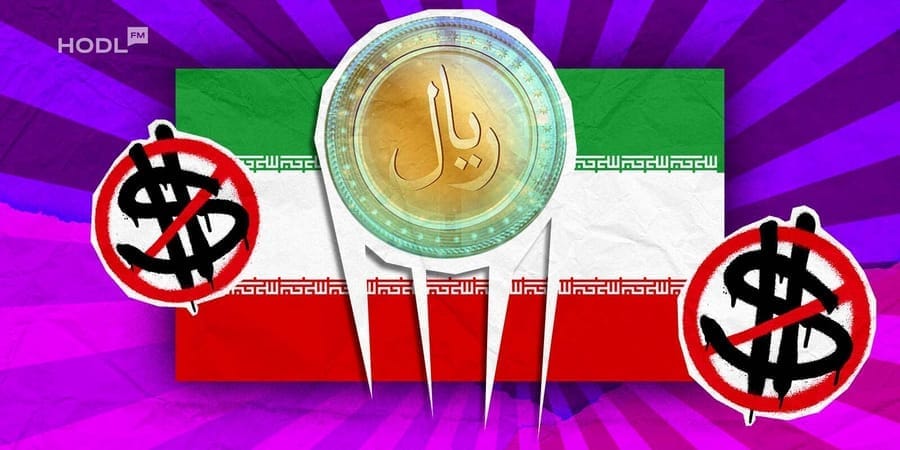
The shift toward crypto and yuan-based payments aligns with Iran’s broader effort to reduce reliance on the U.S. dollar. Sanctions have restricted access to global banking infrastructure, pushing state-linked entities toward alternative settlement methods.
Stablecoins such as USDT have already played a role in regional trade flows. Blockchain analytics cited in earlier reporting shows Iran’s historical use of dollar-backed tokens to move funds outside traditional financial systems. Bitcoin offers an additional layer, as it lacks a centralized issuer capable of freezing balances.
Recent developments have intensified scrutiny. U.S. authorities froze $344 million in USDT linked to Iranian activity last month. That action reinforced the appeal of decentralized assets for sanctioned entities.
Fraud risks and operational uncertainty
The lack of clear official channels has created space for fraud. Risk advisory firm MARISKS warned that shipowners received fake payment demands from actors claiming to represent Iranian authorities. These messages requested Bitcoin or Tether in exchange for safe passage.
MARISKS stated that the communications were fraudulent and not connected to official entities. The firm also reported at least one security incident involving a vessel that responded to such messages.
These cases highlight the operational risks surrounding any new system. Without transparent procedures, shipowners face legal exposure, financial loss and physical security threats.
Strategic implications for global trade
If implemented, the insurance model would shift how value flows through one of the world’s most sensitive trade routes. Payments would move through service contracts rather than tariffs, while settlement could bypass traditional financial rails.
This structure places shipping companies, insurers and commodity traders in a complex position. Any interaction with state-linked Iranian platforms carries sanctions risk, regardless of the payment method used.
The proposal remains at an early stage. Key details, including enforcement mechanisms and international acceptance, have not been clarified. Still, the combination of insurance services and crypto settlement signals a broader attempt to redefine control over the Strait of Hormuz without formal closure or direct taxation.
 Gunel Ismayilova
Disclaimer: All materials on this site are for informational purposes only. None of the material should be interpreted as investment advice. Please note that, despite the nature of much of the material created and hosted on this website, HODL FM operates as a media and informational platform, not a provider of financial advisory services. The opinions of authors and other contributors are their own and should not be taken as financial advice. If you require advice, HODL FM strongly recommends contacting a qualified industry professional.