

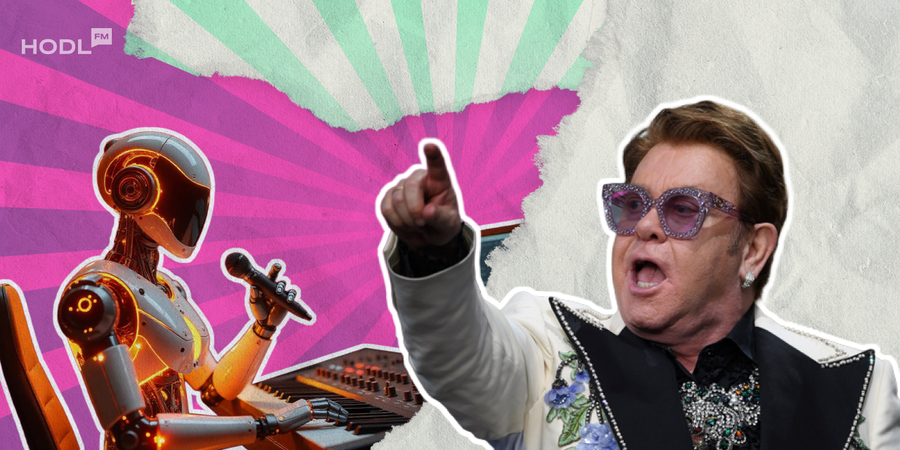



Spotify and Universal Music Group (UMG) have signed a landmark licensing agreement that allows fans to legally create AI-generated covers and remixes of songs from participating artists. The companies announced the deal on May 21, 2026, in Santa Monica and Stockholm, describing it as a new revenue model built around consent-based artificial intelligence tools.
The partnership introduces a generative AI feature that will sit inside Spotify’s platform as a paid add-on for Premium subscribers. The tool enables users to remix existing tracks or generate covers, with artists and songwriters receiving compensation tied to usage of their work.
Spotify said the initiative expands both creative access and monetization channels for rights holders. The company framed the rollout as part of a wider shift toward AI-assisted music creation that still preserves ownership and licensing control.
A paid AI tool built on licensing agreements
The new system represents the first time Spotify has formally allowed users to create AI-driven derivatives of recorded music within its ecosystem under a licensing framework. The company described the feature as “grounded in consent, credit, and compensation for the artists and songwriters that take part.”
“Solving hard problems for music is what Spotify does, and fan-made covers and remixes are next,” said Alex Norström, Co-CEO of Spotify. “What we’re building is grounded in consent, credit, and compensation for the artists and songwriters that take part. Through each technological transformation, we have worked together with Sir Lucian and his team to evolve the music ecosystem into a richer, more beneficial experience for fans and a more rewarding outcome for artists and songwriters.”
The tool will not include all music by default. Participation will depend on agreements with individual artists and publishers under Universal Music Group’s catalog, which includes major global acts such as Taylor Swift, Billie Eilish, Ariana Grande, Post Malone, and Olivia Rodrigo.
UMG said the agreement focuses on expanding artist income streams while maintaining creative control.
“The most valuable innovations in the music business always bring artists and fans closer together,” said Sir Lucian Grainge, Chairman and CEO of Universal Music Group. “That principle is at the heart of this pioneering AI-enabled superfan initiative, which is designed to support human artistry, deepen fan relationships, and create additional revenue opportunities for artists and songwriters.”
Grainge also described the project as “firmly artist-centric” and “rooted in responsible AI.”
Industry context and tension around AI music
The announcement arrives at a time of heightened debate around AI-generated content in the music industry. Concerns over copyright enforcement, voice replication, and unauthorized training data have shaped legal and commercial discussions since 2023, when AI-generated tracks imitating major artists circulated widely across streaming platforms.
That earlier incident triggered removals and public criticism from rights holders, including Universal Music Group, which pushed for stricter enforcement of music likeness protections. The current licensing deal marks a structural shift toward controlled adoption rather than restriction.
Spotify has also moved to differentiate AI-created content from human-made recordings. The company recently introduced a “Verified by Spotify” badge, shown as a green checkmark on artist profiles and search results, intended to help users identify authentic creators in an environment where synthetic audio has become more common.
“In the AI era, it’s more important than ever to be able to trust the authenticity of the music you listen to,” the company said.
Market expansion and platform strategy
Spotify’s expansion into AI-generated music creation aligns with broader platform diversification efforts. The company has been testing additional AI-driven features, including personalized audio content and automated listening formats.
The AI remix tool is expected to launch as a paid add-on for Premium users, adding a new subscription layer to Spotify’s existing model. The company suggested the feature could create additional income streams for artists beyond traditional streaming royalties.
Spotify reported 761 million total users and 293 million paid subscribers in 184 markets, according to company figures. The platform hosts more than 100 million tracks, along with millions of podcasts and audiobooks.
UMG operates as one of the largest music rights holders globally, with a catalog that spans recorded music, publishing, merchandising, and audiovisual content. The company said it continues to focus on “artistry, innovation, and entrepreneurship” as it negotiates technology-driven changes in the industry.
Fan creation and controlled remix culture
The licensing agreement introduces a controlled version of fan remix culture, a space that has historically existed in informal and often legally ambiguous environments. Under the new model, users will generate covers and remixes inside Spotify’s ecosystem, while rights holders receive attribution and payment through structured licensing.
The companies did not disclose financial terms or confirm which artists will opt into the program at launch. That uncertainty leaves the initial rollout dependent on participation decisions from individual rights holders.
The move also reflects growing competition across tech platforms in AI-driven media tools. Streaming services and video platforms have increasingly tested generative features that transform user content, raising questions about authorship, compensation, and creative control.
A turning point for AI in streaming music
The Spotify-UMG agreement signals a formal entry point for AI-generated fan content inside mainstream streaming services. Unlike earlier experimental tools, the new system ties generation directly to licensing contracts and royalty distribution.
Both companies positioned the initiative as a long-term structural shift rather than a short-term feature release. The success of the model will depend on artist participation, user adoption, and regulatory clarity around AI-generated music rights.
For now, the deal places Spotify and Universal Music Group at the center of an evolving debate over how artificial intelligence reshapes music creation, ownership, and monetization.
 Kristian Koch
Disclaimer: All materials on this site are for informational purposes only. None of the material should be interpreted as investment advice. Please note that, despite the nature of much of the material created and hosted on this website, HODL FM operates as a media and informational platform, not a provider of financial advisory services. The opinions of authors and other contributors are their own and should not be taken as financial advice. If you require advice, HODL FM strongly recommends contacting a qualified industry professional.