


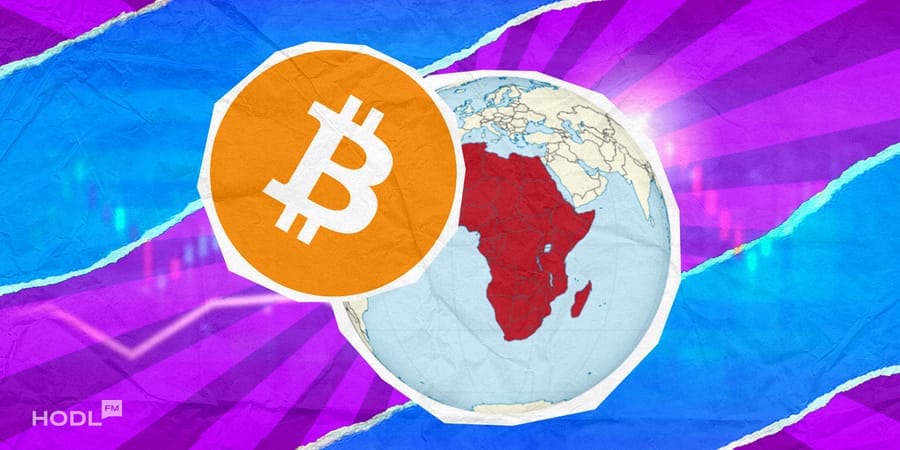



Nigerian households and small businesses have adopted stablecoins as a practical tool for cross-border payments, according to a June 16 analysis published by the International Monetary Fund (IMF). What began as a niche crypto use has developed into a major payment channel, with users relying on smartphones and digital wallets to send and receive funds within minutes.
The IMF reported that Nigeria received about $59 billion in crypto-asset inflows between July 2023 and June 2024. The country ranked second globally in Chainalysis’s 2024 crypto adoption index and remained among the most active markets in 2025. Within sub-Saharan Africa, Nigeria accounts for roughly 60 percent of stablecoin inflows.
Reuters also cited IMF data, which described stablecoins as a significant route for cross-border transactions. These digital tokens, often pegged to the U.S. dollar, provide price stability compared to more volatile cryptocurrencies.
Cost and speed drive adoption
Users have turned to stablecoins as an alternative to traditional remittance channels, which remain expensive and slow in many cases. The IMF, citing World Bank data, noted that sending $200 to sub-Saharan Africa costs around 9 percent of the transaction value on average, compared with a global average of 6 percent.
Stablecoins offer a lower-cost option with faster settlement. A freelancer can receive payments from overseas clients without relying on banks. A small importer can pay suppliers abroad without delays tied to foreign exchange approvals. A student can transfer tuition fees using a digital wallet.
Domestic conditions have reinforced this shift. Currency depreciation, high inflation, and limited access to foreign exchange have increased demand for dollar-linked assets. Stablecoins provide a way to hold value outside the local currency while supporting international transactions.
Regulatory gaps and policy concerns emerge
The IMF warned that rapid adoption creates new policy challenges. Stablecoins can support financial inclusion and improve payment efficiency. At the same time, they introduce risks related to monetary sovereignty and financial oversight.
The Fund stated:
“While stablecoins can improve payment efficiency, lower transaction costs and improve financial inclusion, the increasing use of U.S. dollar-denominated stablecoins raises risks to monetary sovereignty, capital flow management and financial stability.”
Widespread use of dollar-backed tokens can reduce demand for the naira. This trend can limit the Central Bank of Nigeria’s ability to influence economic activity through interest rates and other tools.
Transaction flows have also shifted away from traditional banking systems. After the Central Bank of Nigeria restricted banks from servicing crypto exchanges in February 2021, activity moved to peer-to-peer platforms and digital wallets. Monitoring systems built for banks do not fully capture these transactions.
The IMF noted that the speed and structure of crypto transfers can complicate efforts to track illicit financial activity.
Authorities move toward a more pragmatic approach
Nigeria has begun to adjust its regulatory stance. The country had previously taken a restrictive approach to cryptocurrencies. Recent steps show a shift toward oversight rather than outright limits.
The Securities and Exchange Commission has introduced rules for virtual asset service providers. The Central Bank of Nigeria has issued guidance on how banks should interact with these entities. The IMF said further clarity is required, especially regarding stablecoin issuers.
The Fund recommended alignment with international regulatory approaches in jurisdictions such as the European Union, Singapore, Hong Kong SAR, Japan, and the United States, while adapting rules to local conditions.
Data gaps and infrastructure challenges remain
The IMF identified limited data as a key issue. Policymakers need better visibility into how stablecoins interact with the domestic financial system. Blockchain analytics can provide part of the picture, but gaps remain at conversion points between naira and digital assets.
Improved reporting systems could help regulators detect risks earlier and respond more effectively.
The IMF also pointed to structural gaps in payment infrastructure. Demand for stablecoins reflects inefficiencies in existing systems. Nigeria has made progress through instant domestic payment solutions and participation in the Pan-African Payment and Settlement System. Further improvements in cross-border systems could reduce reliance on alternative channels.
A growing role in global digital finance
Stablecoins now serve as a bridge between crypto markets and traditional finance. Their role extends beyond Nigeria, but the country’s scale of adoption places it at the center of this shift.
The IMF described stablecoins as a response to persistent frictions in cross-border payments rather than a replacement for traditional finance. Nigerian users have adopted these tools because they address immediate challenges related to cost, speed, and access.
The policy challenge now centers on balancing innovation with financial stability. Authorities face pressure to maintain confidence in the national currency while adapting to a financial system that extends beyond conventional banking channels.
Nigeria’s experience illustrates how quickly digital payment technologies can move from niche use to mainstream adoption. It also shows how regulatory frameworks must evolve to keep pace with changes in user behavior and financial infrastructure.
 Roman Zaika
Disclaimer: All materials on this site are for informational purposes only. None of the material should be interpreted as investment advice. Please note that, despite the nature of much of the material created and hosted on this website, HODL FM operates as a media and informational platform, not a provider of financial advisory services. The opinions of authors and other contributors are their own and should not be taken as financial advice. If you require advice, HODL FM strongly recommends contacting a qualified industry professional.