


Crypto gaming is no longer just a casino lobby with a wallet button attached. The sector is moving toward a more technical question: what does trust look like when payments, game outcomes, and user access are all handled online?
For crypto-native users, the answer is not simply a bigger bonus or a longer list of games. It is a combination of stable payment rails, transparent game mechanics, account security, mobile access, clear terms, and responsible play tools. A platform may look polished on the surface, but the real test is whether users can understand what is happening behind the interface.
That is why platforms such as maczo.com are useful examples of the broader trend. Maczo combines USDT-based payments, a large gaming catalog, mobile-first access, original in-house games, and provably fair concepts for selected titles. The interesting part is not only that crypto is accepted, but how crypto-style verification is starting to shape expectations around online gaming.
Why Trust Is Different in Crypto Gaming
Traditional online gaming depends heavily on operator reputation, licensing, provider audits, and payment processors. Those things still matter. But crypto users often bring a different mindset. They are used to checking transactions on-chain, verifying wallet addresses, and thinking about custody, signatures, and transparency.
That mindset changes how a gaming platform is judged. Users may ask questions such as: Which currency is used? Which network handles deposits? Can the game result be verified? Are in-house games separated from third-party games? Is the website usable on mobile? What happens if a withdrawal requires additional review?
A crypto gaming platform that cannot answer those questions clearly may struggle to earn user confidence, even if the design looks modern.
Stablecoin Rails Make the Experience More Familiar
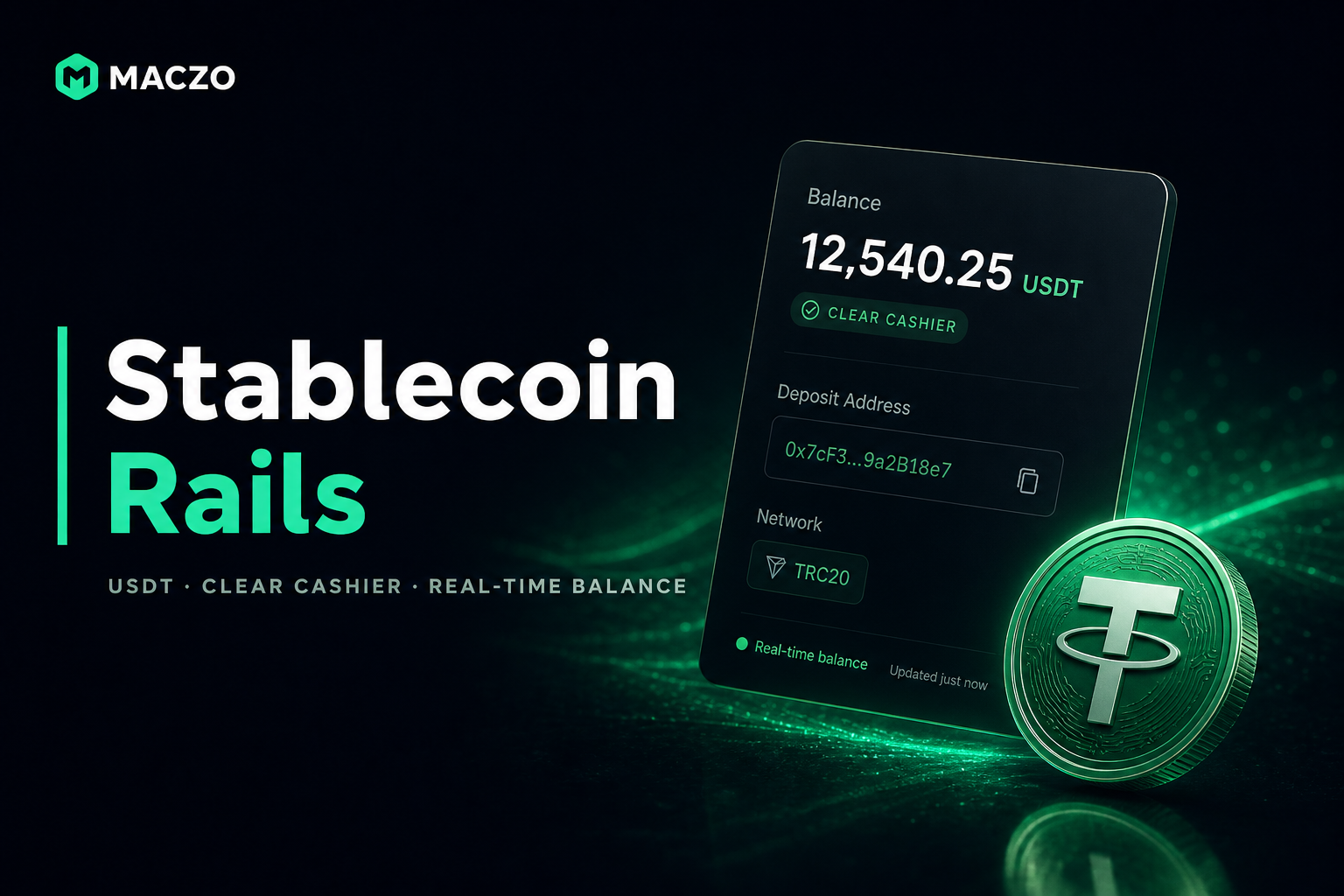
Stablecoins are one of the reasons crypto gaming has become easier to understand for everyday crypto users. When a platform uses USDT as its base currency, balances are easier to read than if everything were denominated in a volatile asset.
The user experience still depends on execution. Deposit-address generation, network support, transaction monitoring, real-time balance updates, and withdrawal rules all need to be clear. A fast payment system is not enough if users can accidentally send funds to the wrong network or misunderstand a withdrawal condition.
This is where crypto gaming overlaps with fintech. The cashier page is not just a feature. It is part of the trust layer. Users need to know what they are sending, where it is going, how confirmations are handled, and what rules apply before funds leave their wallet.
Provably Fair: Useful, But Not Magic
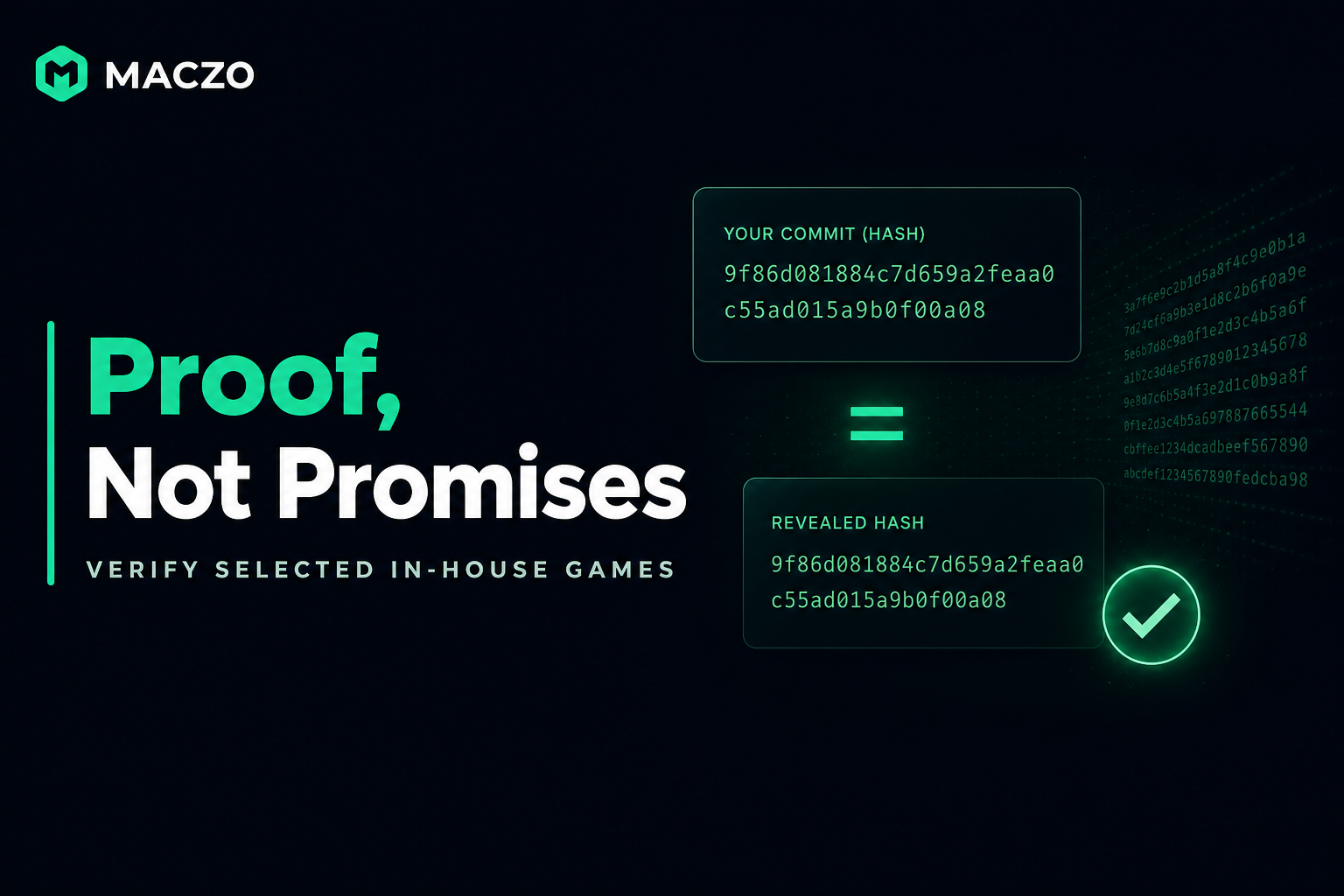
Provably fair systems are one of the most distinctive ideas in crypto gaming. In simple terms, they allow users to verify that selected game outcomes were locked before a bet and not changed after the fact.
The usual model involves cryptographic elements such as server seeds, client seeds, hashes, and nonces. A platform commits to a value first, then reveals enough information later for users to check whether the result matches the original commitment. This turns part of the trust model into something closer to reproducible math.
But the term has limits. Provably fair does not mean a game has no house edge. It does not mean a player is more likely to profit. It also does not automatically apply to every game in a large lobby. In most cases, it applies to in-house games that expose verification tools, while third-party slots, live casino products, and sportsbook markets rely on separate provider systems and external certification.
The strongest platforms explain this boundary clearly. Blurring it may make marketing easier, but it makes user trust weaker.
Game Libraries Are Becoming Infrastructure
A large game catalog used to be treated mostly as a content advantage. In 2026, it is also an infrastructure question. A platform that offers slots, table games, live casino, crash-style games, poker, sportsbook options, and original titles needs reliable routing between providers, account balances, promotions, and device types.
Maczo’s positioning reflects this wider shift. Its catalog includes thousands of games across multiple categories, while its in-house titles give the platform a layer it can control more directly. That matters because original games can be connected more closely to verification systems, faster interfaces, and platform-specific reward mechanics.
For users, the key is not simply “more games.” It is whether the platform explains which games are in-house, which come from external providers, what fairness model applies, and whether the game rules are easy to inspect before playing.
Mobile Access Is Now a Core Requirement
Crypto users are often mobile-first. They check wallets, exchanges, news, and market data from a phone. Gaming platforms have had to follow that behavior.
Browser-based access and Progressive Web App support can reduce friction because users do not need to install a traditional app. However, mobile access also creates design risk. If promotional terms, withdrawal limits, KYC rules, or responsible gaming tools are hidden on a small screen, the interface may look convenient while still being unclear.
A good mobile gaming experience should make the important parts visible: deposit rules, supported networks, game filters, fairness information, account security, and support access. Smooth animations are nice. Clear risk information is more important.
Security Starts Before the First Deposit
In crypto gaming, user security begins before a deposit is made. The first step is confirming the correct domain. Fake websites, phishing links, and fake support accounts are common risks across crypto more broadly.
Platforms also need strong technical controls: secure session handling, backend separation, monitoring for suspicious activity, protected withdrawal flows, and clear account-recovery rules. Users need their own discipline as well: unique passwords, careful link checking, updated devices, and skepticism toward anyone asking for credentials.
Because blockchain transactions can be difficult or impossible to reverse, crypto gaming has a smaller margin for user error than many traditional payment experiences.
What Players Should Check Before Using a Crypto Gaming Platform
- Supported currency and blockchain network.
- Deposit minimums, fees, confirmation expectations, and withdrawal limits.
- Whether KYC or account review can be required before withdrawal.
- Which games are in-house and which come from third-party providers.
- Whether provably fair verification applies to specific games.
- RTP visibility and game rules where available.
- Bonus terms, wagering requirements, expiry windows, and cashout caps.
- Mobile usability for cashier, support, and responsible gaming pages.
- Local legal availability and age restrictions.
Where Maczo Fits Into the Trend
maczo.com is one example of the type of platform emerging in this space. It uses USDT as the base betting currency, supports a wide gaming catalog, offers mobile-first access, includes original in-house content, and presents provably fair verification as part of its transparency story.
The platform’s most relevant angle for crypto readers is not only entertainment. It is the way several crypto-native expectations meet in one product: direct digital payments, verifiable mechanics for selected games, account-level security, and a browser-based user experience.
That combination is why crypto gaming deserves to be discussed alongside Web3 infrastructure, wallets, payment design, and user protection, not only alongside casino bonuses.

Final Takeaway
The next phase of crypto gaming will be judged by how well platforms combine convenience with verifiability. Stablecoins can make balances easier to understand. Provably fair tools can make selected outcomes easier to audit. Mobile-first design can reduce friction. Security architecture can reduce exposure. Clear terms can reduce confusion.
None of this removes gambling risk. It simply gives users better tools to understand the environment before they take that risk. For crypto-native players, that may become the real standard: not just “can I play?” but “can I verify, understand, and control the experience?”
 Gunel Ismayilova
Disclaimer: This article is for informational and educational purposes only. It is not legal, financial, investment, or gambling advice. Online gambling and crypto gaming may be restricted in some jurisdictions. Readers should verify local laws, platform availability, payment rules, bonus terms, and account requirements before registering or depositing. Gambling involves financial risk and is intended only for users aged 18+ or the legal gambling age in their jurisdiction.