






Bitcoin’s blockchain can only handle about seven transactions per second. Meanwhile, your Visa card can theoretically handle 1700 transactions per second on average, with peaks at around 65,000 TPS. Crazy, right? This gap is a tiny window into why blockchain tech, as revolutionary as it is, can sometimes feel stuck in slow motion, especially when we dream about using it for everything from finance to digital identity.
I’ve been around crypto long enough to see how folks get tangled up debating whether a blockchain should try to be the “one ring” to rule them all or if it should share the load with helpers. Turns out, there’s this whole layered universe behind blockchain networks that’s less “one-size-fits-all” and more “teamwork makes the dream work.” And honestly, understanding these layers might be the key to unlocking true decentralization and scalability without sacrificing one for the other.
We’re about to take a look through blockchain’s levels, from the basics of distributed ledgers to the Lightning Network and beyond.
What’s a blockchain network?
So, before we get deeper into layers, let’s clear up a thing or two.
❗️“Blockchain” gets tossed around, but it’s just one meaning in a bigger system called Distributed Ledger Technologies, or DLTs for short.
Picture a ledger like a communal notebook where everyone can see and write down transactions. In a DLT, that notebook isn’t kept by one person but shared across many, which makes it tougher to cheat or mess up.
❗️❗️Public blockchains like Bitcoin and Ethereum are open to anyone. You can peek in, make transactions, and if you want, help run the network.
❗️❗️❗️On the flip side, there are private blockchains for only invited members can access or update the ledger. Sometimes, private blockchains get a bad rap as being “not real blockchain” because they aren’t fully decentralized.
Public vs. Private Blockchain
➡️For example, R3’s Corda private blockchain, widely used by banks and financial institutions. It’s a permissioned blockchain allowing a group of trusted parties to share data and transact securely without exposing everything publicly.
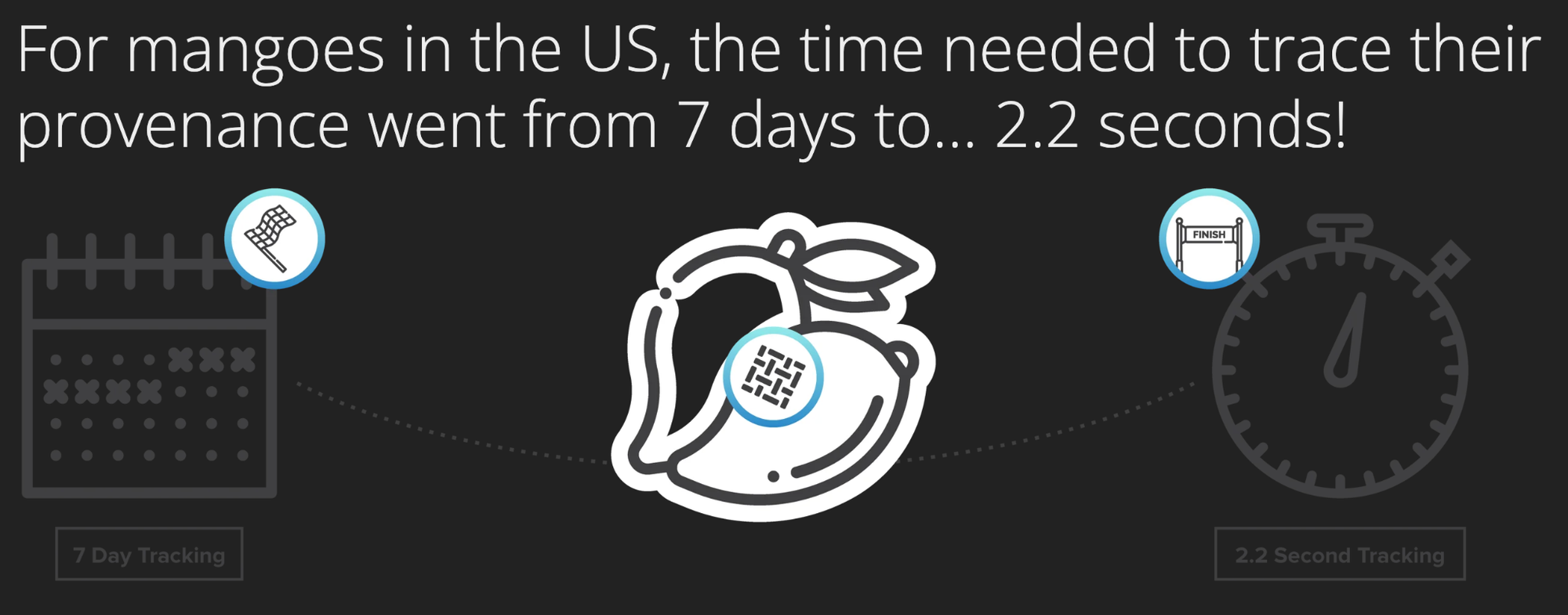
➡️Another good example is IBM’s Hyperledger Fabric, which many corporations use to streamline supply chain tracking or improve contract management within their network or with select partners. Walmart, for instance, has used Hyperledger to track food products from farm to store shelf.
However, public, private, or something in between, blockchains don't exist in solitude. As adoption rose, it was discovered that a single, one-level blockchain design couldn't provide for growing transactional volumes, diverse use cases, and interoperability requirements. Networks eventually began to develop multi-layered architectures, and that’s where our discussion continues next.
Level One (L1) — The Foundation Layer
Some projects always want to be “L1-only,” such as single-layer Bitcoin, aiming to do everything within their single mainnet. But the infamous blockchain trilemma is trying to balance decentralization, security, and scalability. Usually, you get two out of three, max.
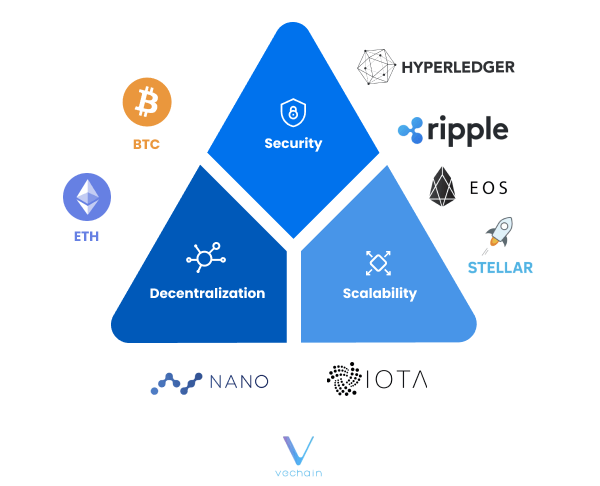
Bitcoin and Ethereum nailed security and decentralization, but struggle with scalability. You get slow transaction speeds and rising fees when demand spikes. The “L1-only” often runs into these obstacles.
Many L1 blockchains try to fix their speed problems by tweaking a few things under the hood.
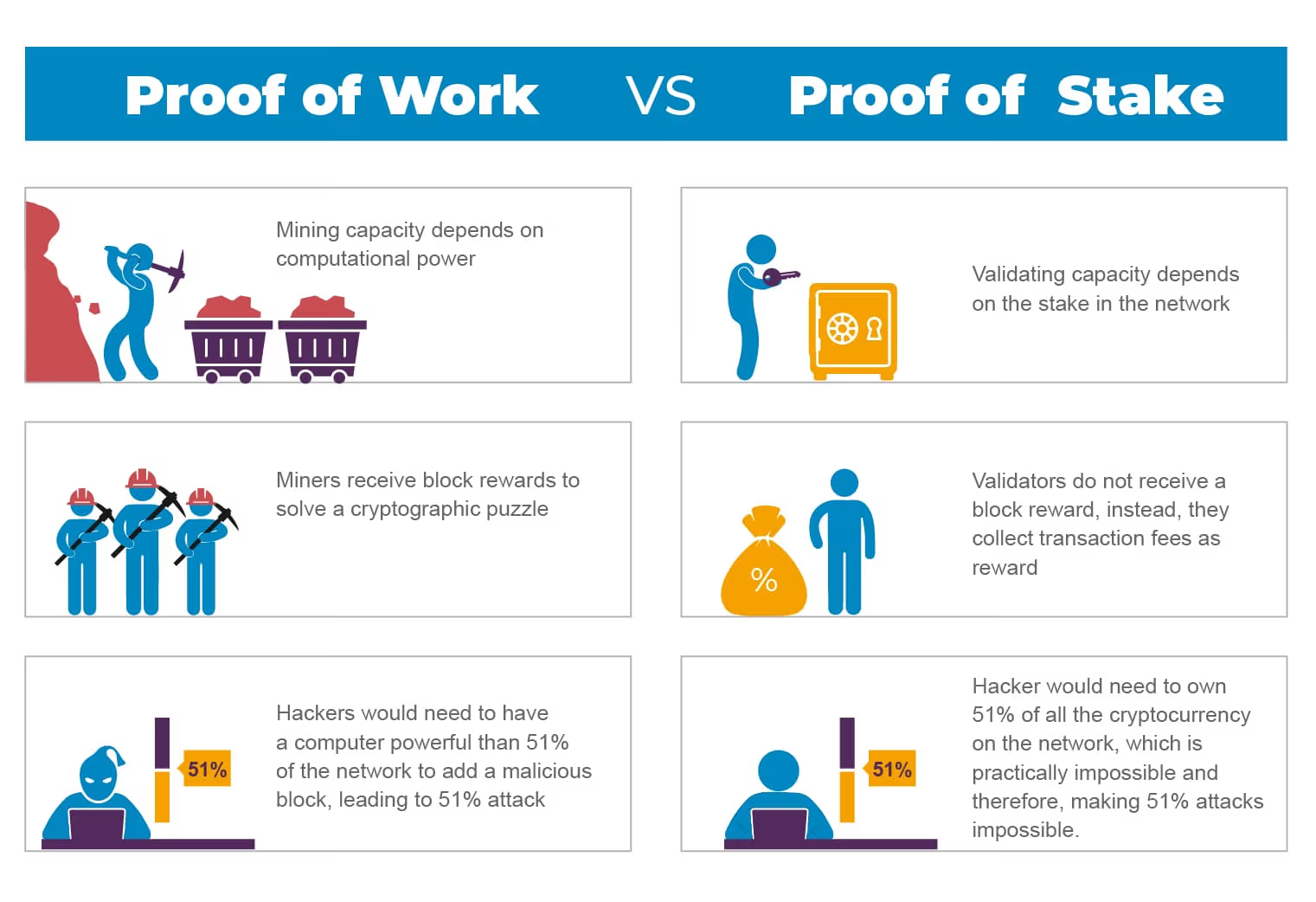
➡️As an example, Ethereum famously changed from a proof-of-work system (in which miners answer puzzles) to proof-of-stake (in which validators are selected according to how much crypto they possess). This makes the system more energy-efficient and assists with security, but doesn't make the speed dilemma disappear.
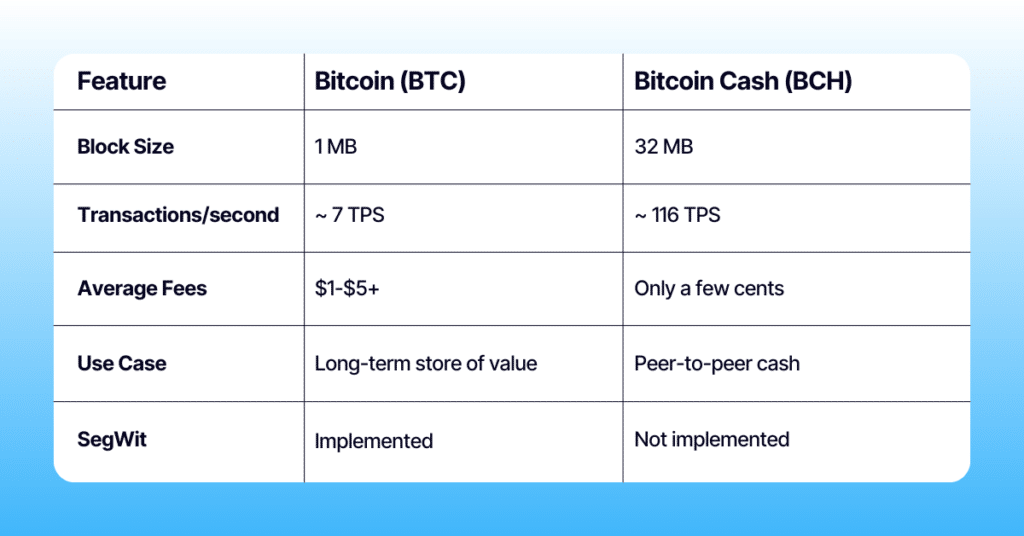
➡️Bitcoin Cash blockchain took a different route, making its blocks bigger, as they can hold more transactions at once. The chain hoped to squeeze more traffic through its networks by raising block sizes. But bigger blocks also mean heavier data to process, which can make running a full node harder and risk centralizing power to those with more resources.
You can only go so far before you need a different architecture.
That's why some folks think that scaling is limited.
Level Two (L2) — The Scaling Sidekick
L2 solutions take some of the traffic off the main chain.
➡️Bitcoin’s Lightning Network is a great example. You're setting up a private tab to exchange payments off the main ledger, only settling the final tally back on Bitcoin’s chain.
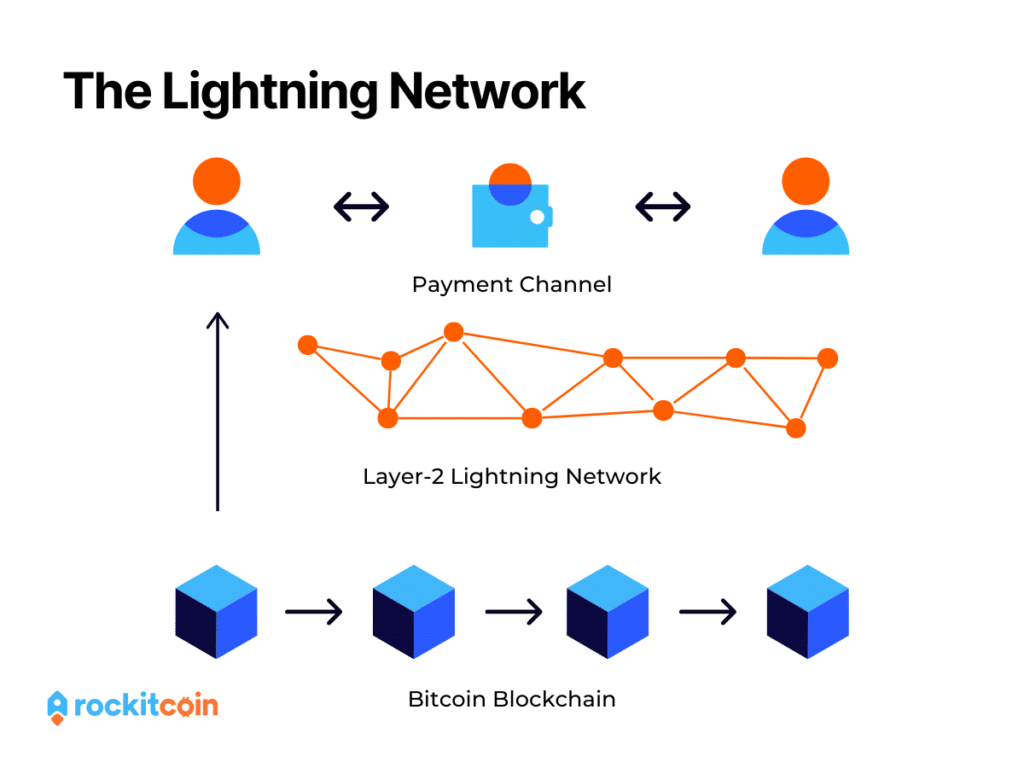
Ethereum took note and now has a bustling ecosystem of L2s. It's using rollups that unite dozens or hundreds of transactions into one, then post the summary back to Ethereum.
There are optimistic rollups, which assume transactions are good unless challenged, and zero-knowledge (ZK) rollups that use cryptography to prove correctness instantly.
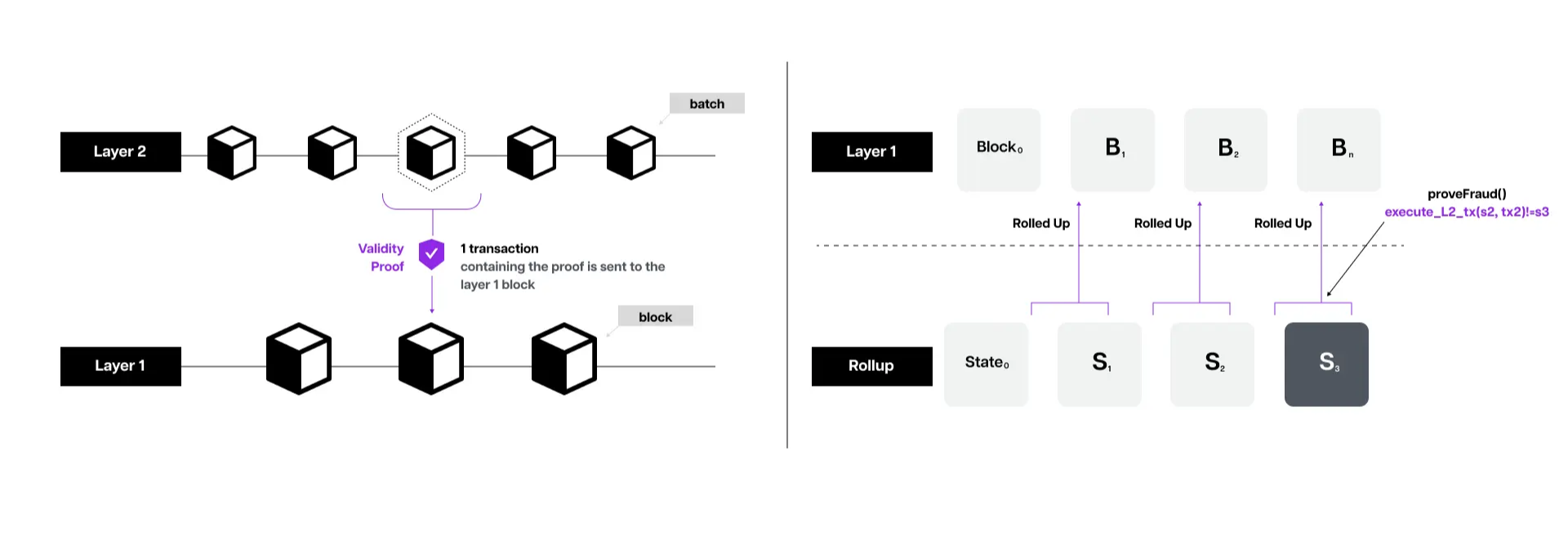
These L2s are fundamental shifts. They let users have speedy, low-cost interactions without sacrificing the security guarantees of the L1.
Level Three (L3) and beyond
While L2s handle bulk transactions and help scale the base layer, L3s focus on ultra-specific tasks like enhancing privacy, enabling complex computations, or connecting different L2s so they can work together smoothly.
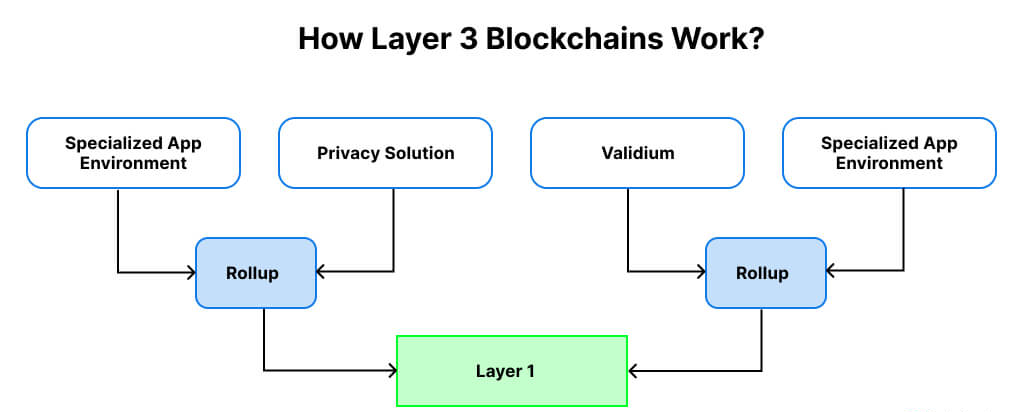
➡️For example, take zkSync Era, which started as an L2 on Ethereum but is evolving to support its modular design and deeper layering, enabling even faster and cheaper operations with more advanced features.
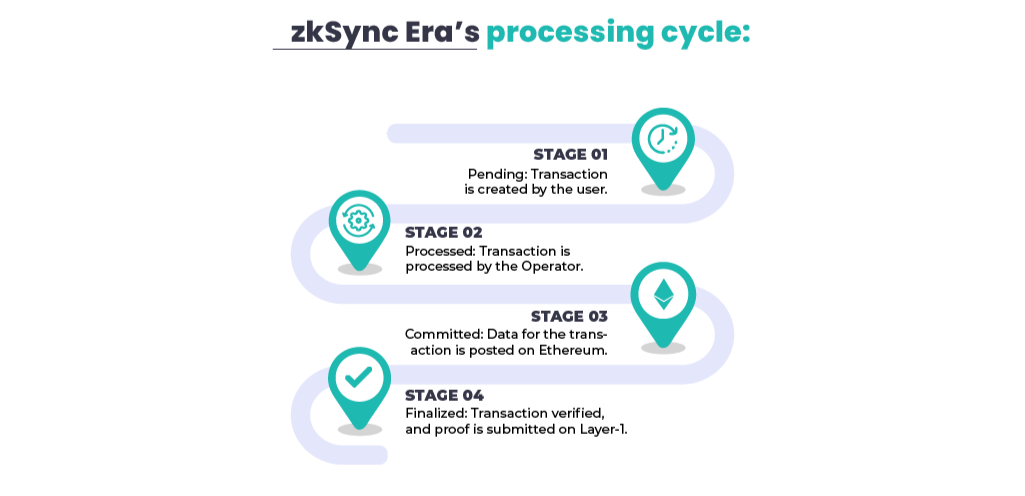
➡️Another example is Polygon zkEVM, which is rolling out solutions that could be considered L3 in the future, adding privacy and more complex logic on top of existing rollups.
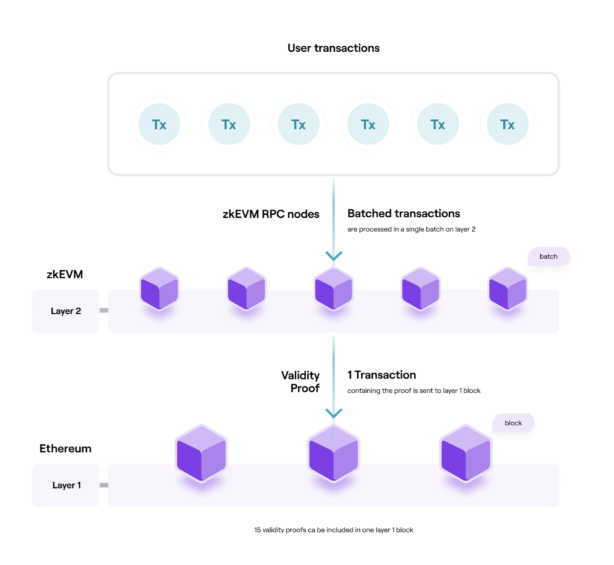
Then there’s the idea of modular blockchains like Celestia. It specializes purely in data availability, making sure all the blockchain data is published and accessible, while letting other chains handle execution and consensus. This separation can be seen as adding extra layers beyond L2, and it’s a promising path to massive scalability.
⏬️⏬️⏬️⏬️⏬️
As blockchain use cases grow, extra layers will be key to keeping everything running smoothly without sacrificing security or decentralization.
Comparison table of blockchain's levels
How do these levels connect?
We’ve got three layers and different blockchains operating independently. In this case, the ecosystem risks becoming fragmented if these platforms cannot communicate with each other effectively. Users and applications would face limitations in interoperability, reducing the overall utility and cohesion.
⏬️⏬️⏬️⏬️⏬️
Without bridges, you could only continue to use assets on their native blockchain, which is very limiting. But with bridges, you have the option, say, to move your Ethereum tokens and use them on a different network with reduced fees or with faster settlement.
How do Bridges work?
Let's say that you possess some Ethereum tokens (such as ETH or an ERC-20 token), but you wish to utilize them on another blockchain, such as Polygon or Avalanche.
A bridge steps in to make this happen smoothly.
At the same time, the bridge creates or “mints” equivalent tokens on the other blockchain you want to use. These new tokens represent the original ones you locked on Ethereum, so you can use them just like your original assets, but on the new chain.
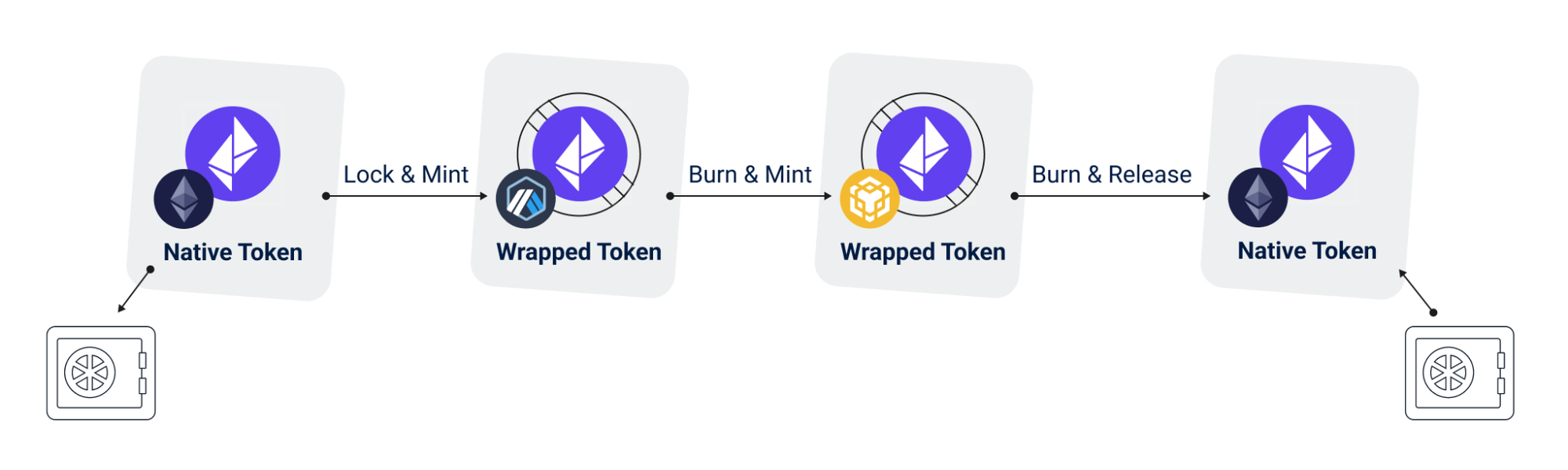
When you’re done and want your tokens back on Ethereum, the process reverses: you send your tokens on the second chain back through the bridge, where they get burned, and the original tokens get unlocked on Ethereum for you to use again.
In this way, bridges ensure the consistent supply and prevent double-spending, but still allow you to move value and engage with multiple networks in simplicity.
L1 vs. layer stack builders
This section compares the advantages and drawbacks of these approaches and examines their real-world impact.
With multiple L3 launches, the industry faces a critical question: ‘Can multi-level architectures deliver scalability and decentralization without introducing unmanageable risks?’
Limitations of L1-only & multi-layer solutions
Understanding the benefits and limitations of these solutions:
Limitations of L1-only approaches
- Scalability reaches its limit quite quickly: No matter how much you optimize, a single layer can’t handle huge transaction volumes without slowing down or getting expensive.
- When the network gets busy, fees can skyrocket: Take Ethereum’s gas fees before Layer 2s became popular.
- Upgrades on Layer 1 take a lot of time: Everything needs broad agreement from validators and developers, which slows down innovation and makes the system less flexible.
- Bigger block sizes to improve performance have the side effect: Excluding smaller validators, which means more centralization sneaks in.
Limitations of multi-level architectures
- Things get complicated fast: Users and developers should manage multiple wallets, understand bridging mechanisms, and keep track of different layers.
- Bridges that connect layers are often weak points.
Notable bridge attacks:
- Ronin bridge(~$624 million): The exploit went unnoticed for nearly six days before being discovered. Halborn Blockchain Security noted that continuous transaction monitoring could have significantly reduced this detection delay.
- ALEX protocol: Suffered $4.3 million in suspicious withdrawals, due to the “possible private key compromise”.
- Nomad bridge (~$190 million): The sheer number of hackers, with over 300 unique addresses, participated in the exploit.
- Assets tend to get fragmented across layers: That reduces overall network efficiency unless there’s a strong system to share liquidity or move assets smoothly.
- Multi-layer solutions still depend heavily on the security of the base Layer 1: If the foundation is compromised, all the upper layers become vulnerable too.
So, L1-only chains keep things simple but struggle under pressure, while multi-layer setups promise speed and lower fees at the cost of complexity and new risks. The true power might come from building carefully crafted layers, each handling a slice of the load, working together.
 Gunel Ismayilova

Disclaimer: All materials on this site are for informational purposes only. None of the material should be interpreted as investment advice. Cryptocurrency investments involve significant risk of loss. Please note that, despite the nature of much of the material created and hosted on this website, HODL FM operates as a media and informational platform, not a provider of financial advisory services. The opinions of authors and other contributors are their own and should not be taken as financial advice. If you require advice, HODL FM strongly recommends contacting a qualified industry professional.