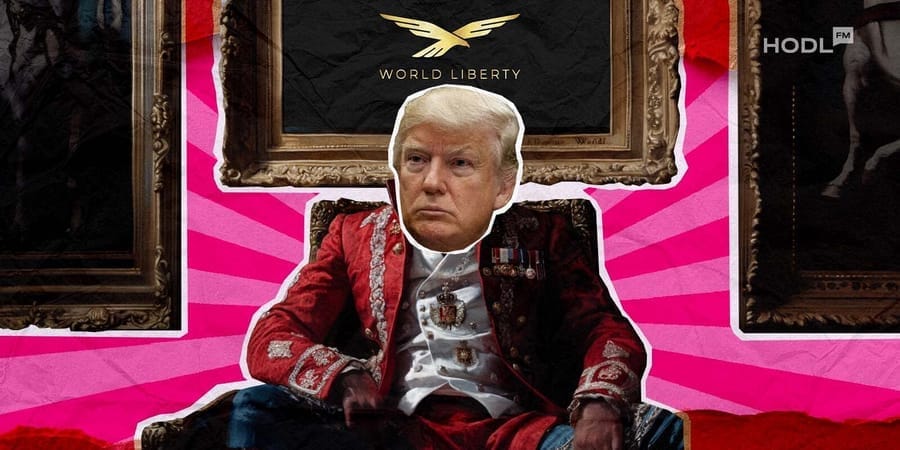



A legal conflict between World Liberty Financial and crypto entrepreneur Justin Sun has escalated into a formal defamation case filed in the United States, deepening an already tense dispute over token controls, governance, and trading activity.
The lawsuit was filed in the Eleventh Judicial Circuit Court for Miami-Dade County, Florida. It alleges that Sun conducted a public campaign of false statements about World Liberty Financial while also engaging in prohibited trading activity involving WLFI tokens.
The filing adds a new legal front to a conflict that has already included token freezes, governance disputes, and competing lawsuits between both parties.
Allegations focus on trading behavior and public statements
World Liberty Financial claims Sun engaged in prohibited transfers, straw purchases, and short selling of WLFI tokens. The complaint argues that these actions violated token-sale agreements and governance rules.
The lawsuit also states that Sun used his large social media presence to spread misleading claims about the project to millions of followers on X. It seeks damages and a court-ordered retraction of statements the company considers defamatory.
“Rather than acting in good faith, Justin Sun chose to defame World Liberty — repeatedly, publicly, and to millions of followers. World Liberty filed this lawsuit as a last resort to correct the record and to protect its token holders, its employees, and all its stakeholders. We are eager to expose the falsity of Sun’s statements in court and in public,” said Tom Clare, attorney for World Liberty Financial, according to Businesswire.
The company alleges that Sun knew the statements were false or acted with reckless disregard for their accuracy.
Token freezing authority becomes central dispute
A key part of the case involves World Liberty’s ability to freeze tokens under its system rules. The company argues that Sun agreed to these conditions when purchasing WLFI tokens.
According to the complaint, Sun later described this mechanism as a hidden “trap door” after his tokens were restricted. World Liberty disputes this framing and says the freezing rights were clearly disclosed in the Terms of Sale and Token Unlock Agreement.
The lawsuit states that Sun was “fully aware of World Liberty’s right to freeze user tokens to protect its token holders and its community.”
World Liberty also claims that Sun previously praised the project before the dispute escalated. In a September 2025 post, Sun described WLFI as “one of the biggest and most important projects in crypto” and said he was “fully aligned with the mission.”
Counterclaims and earlier lawsuit intensify dispute
The latest filing follows Sun’s own legal action against World Liberty Financial. That case focused on the freezing of his WLFI tokens after a roughly $9 million transfer flagged on blockchain monitoring platforms.
Sun has argued that the freeze was unjustified and that his presale tokens were locked without proper cause. World Liberty, however, maintains that enforcement of token restrictions is part of its governance framework.
Sun responded to the new lawsuit on X, calling it a “meritless PR stunt” and saying he looks forward to defeating the case in court.
The back-and-forth reflects a rapid deterioration of what was once a cooperative relationship. Sun was previously one of the largest supporters of WLFI, including a reported $45 million token purchase and an advisory role tied to the project’s early development.
Governance concerns and market pressure add context
The dispute has also unfolded alongside broader criticism of WLFI governance structure. Earlier voting activity showed concentrated influence among a small number of wallets, raising questions about decision-making transparency within the system.
Sun had previously criticized governance proposals, including a suggested two-year lock-up extension for early investors. He called that proposal “one of the most absurd governance scams I have ever seen.”
World Liberty rejected those claims and accused Sun of using public statements to deflect attention from alleged misconduct.
WLFI token performance has also remained volatile. According to market data cited in filings, the token has experienced a significant decline since launch despite short-term price increases following legal news cycles.
Legal filings highlight competing interpretations of control rights
The central legal question in the case concerns control mechanisms embedded in WLFI’s token structure. World Liberty Financial argues that token freezing authority is a disclosed security feature designed to protect holders.
Sun’s position, as outlined in his separate lawsuit, challenges how and when those controls were applied. His filing suggests that enforcement actions occurred after trading activity had already taken place.
The Florida case now places both interpretations under judicial review, with each side presenting conflicting accounts of the same contractual framework.
World Liberty is represented by Clare Locke LLP and is seeking compensatory damages, retraction of statements, and additional legal remedies.
Broader implications for token governance disputes
The case highlights ongoing tension in crypto markets between centralized enforcement mechanisms and investor expectations of liquidity and control.
Token projects increasingly include governance tools such as freezing authority, blacklist functions, and compliance controls. However, disputes often arise when those tools are activated during periods of market stress or investor disagreement.
In this case, both sides argue they acted within the scope of disclosed agreements, while simultaneously accusing the other of misrepresentation.
The outcome may influence how future token agreements define control rights, disclosure standards, and investor protections in similar projects.
 Dayo Paul
Disclaimer: All materials on this site are for informational purposes only. None of the material should be interpreted as investment advice. Please note that, despite the nature of much of the material created and hosted on this website, HODL FM operates as a media and informational platform, not a provider of financial advisory services. The opinions of authors and other contributors are their own and should not be taken as financial advice. If you require advice, HODL FM strongly recommends contacting a qualified industry professional.