

The stablecoin sector is facing two developments that are unfolding at the same time in global markets.
Research published by Standard Chartered points to significant long-term demand for U.S. Treasury bills coming from stablecoin issuers, while recent market data shows stablecoin supply growth slowing, a shift that has implications for crypto liquidity.
Meanwhile, tokenized commodities have seen inflows, showing that some capital is moving into alternative digital assets even as stablecoin circulation stalls.
Stablecoins and the treasury market
A recent report by Standard Chartered estimates that stablecoins could generate as much as $1 trillion in additional demand for short-dated U.S. Treasury bills by 2028 if current issuance and reserve practices continue.
Analysts Geoffrey Kendrick and John Davies wrote that regulated stablecoin issuers are increasingly required to hold reserves in high-quality liquid assets, mainly short-term government debt. Those requirements were strengthened after regulatory measures introduced in 2025, which pushed issuers toward Treasury-backed reserve structures.
The report outlines a scenario in which the stablecoin market expands toward a $2 trillion capitalization over the next several years.
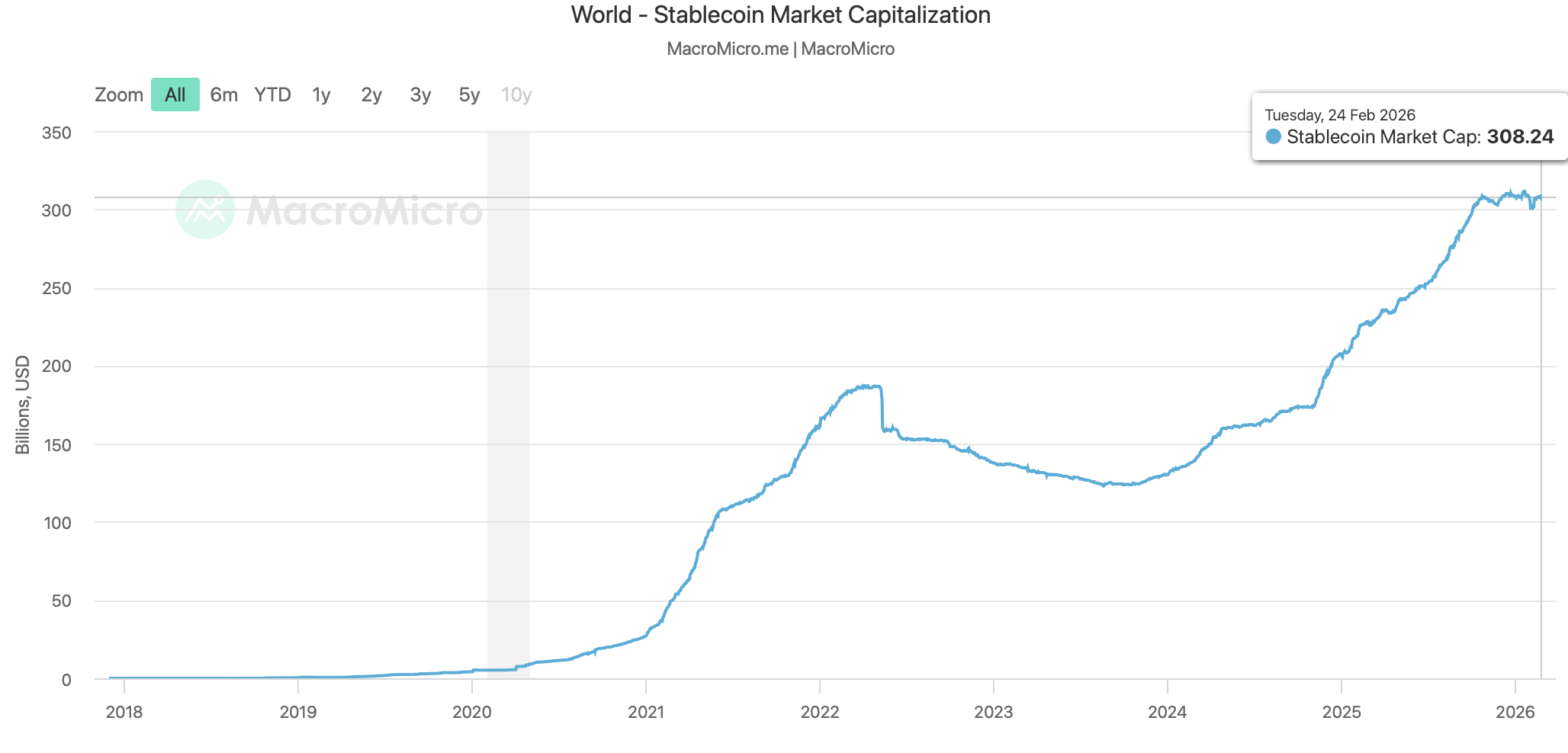
Under that projection, roughly $800 billion to $1 trillion in additional demand could accumulate in Treasury bills at the front end of the yield curve.
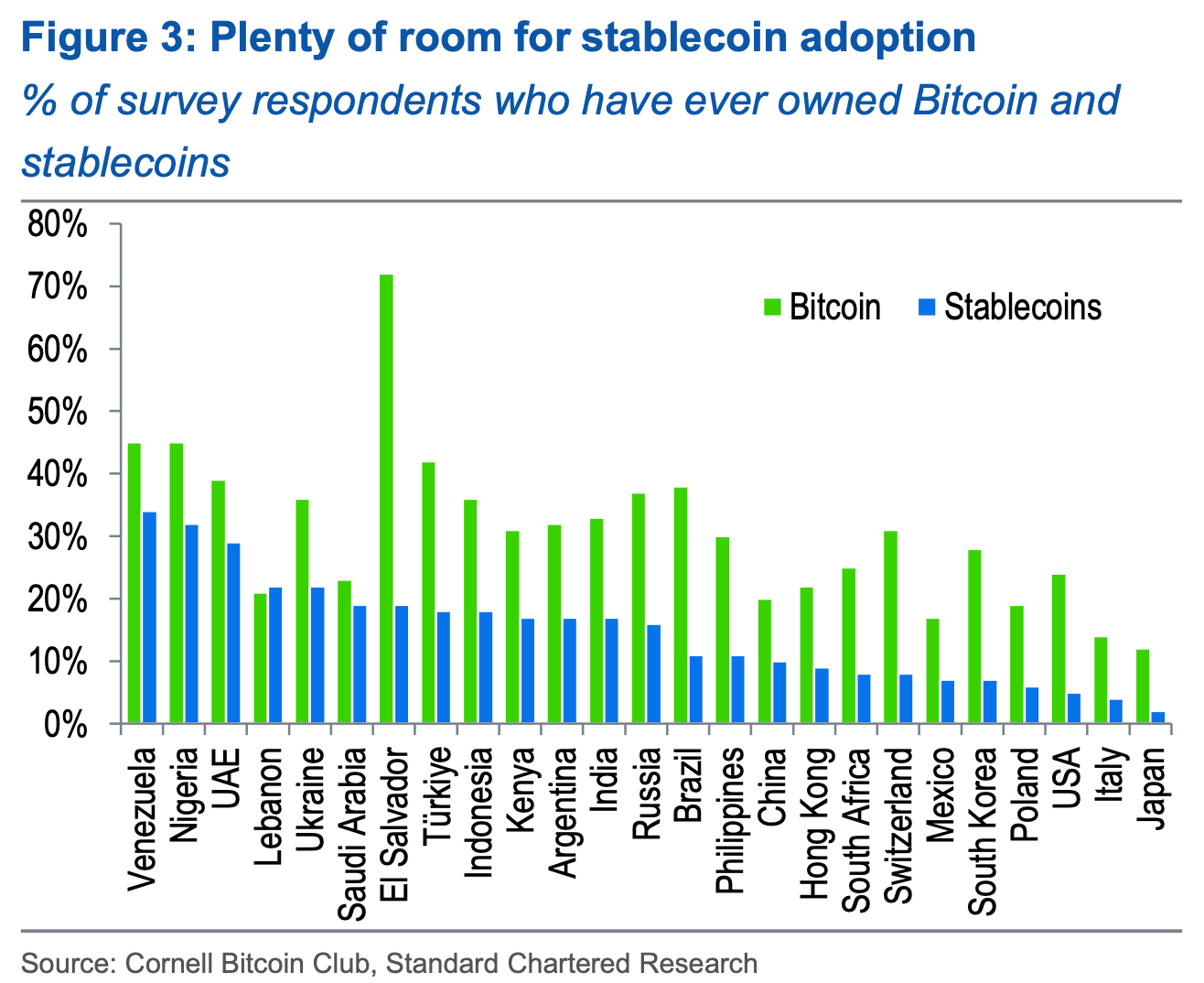
The analysts also note that a large share of projected growth may come from emerging markets where dollar-linked stablecoins are widely used in place of local currencies during periods of inflation or currency volatility. Reserve assets backing those tokens are typically invested in U.S. government debt.
Comments from U.S. officials have also acknowledged the role stablecoins may play in government financing. Treasury Secretary Scott Bessent previously said stablecoins could become an important buyer base for U.S. debt as the sector grows.
Stablecoin activity creates reciprocal effects in digital and traditional markets. As adoption grows, the U.S. dollar strengthens its presence in digital finance, while the government gains a predictable source of demand for short-term Treasuries. Increased integration also draws regulatory attention: ongoing rulemaking is likely to tighten oversight, requiring coordination between private issuers and public debt management.
Supply shows signs of stagnation
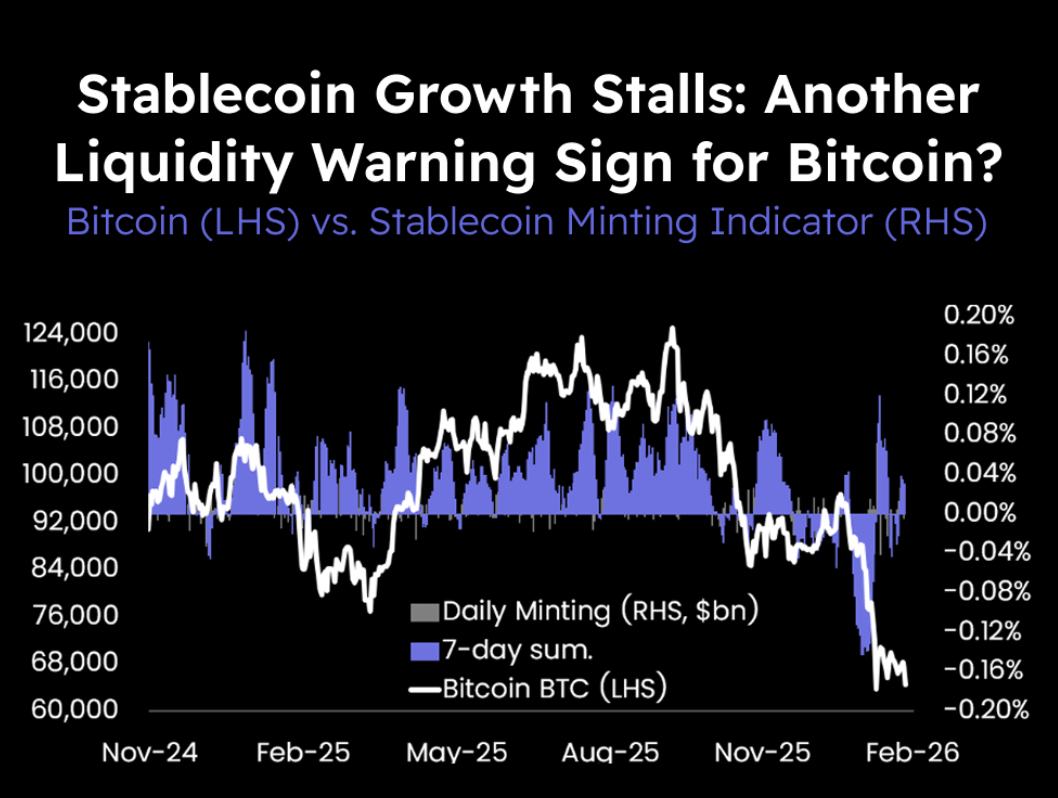
Recent market data points in a different direction in the short term. Data cited by CryptoQuant shows stablecoin supply declining by about $5.6 billion since the start of the year, falling from roughly $159 billion on Jan. 1 to around $153.4 billion.
Digital-asset platform Matrixport said in a public update that stagnating stablecoin supply represents a headwind for the broader crypto market because stablecoins function as the main liquidity rail for trading activity.
Exchange-level data reflects similar conditions. Reserves of stablecoins held on Binance have fallen in recent months, according to previously reported analytics data.
Macro pressure and capital rotation
Market participants have linked the liquidity slowdown to broader macro uncertainty and shifting investment flows. Analysts note that renewed tariff discussions and geopolitical tensions have influenced asset allocation decisions, with capital moving toward precious metals and certain technology-related equities during periods of uncertainty.
“As President of the United States of America, I will be, effective immediately, raising the 10% worldwide tariff on countries, many of which have been ‘ripping’ the US off for decades, without retribution, until I came along, to the fully allowed, and legally tested, 15% level.” - Donald Trump announcement.
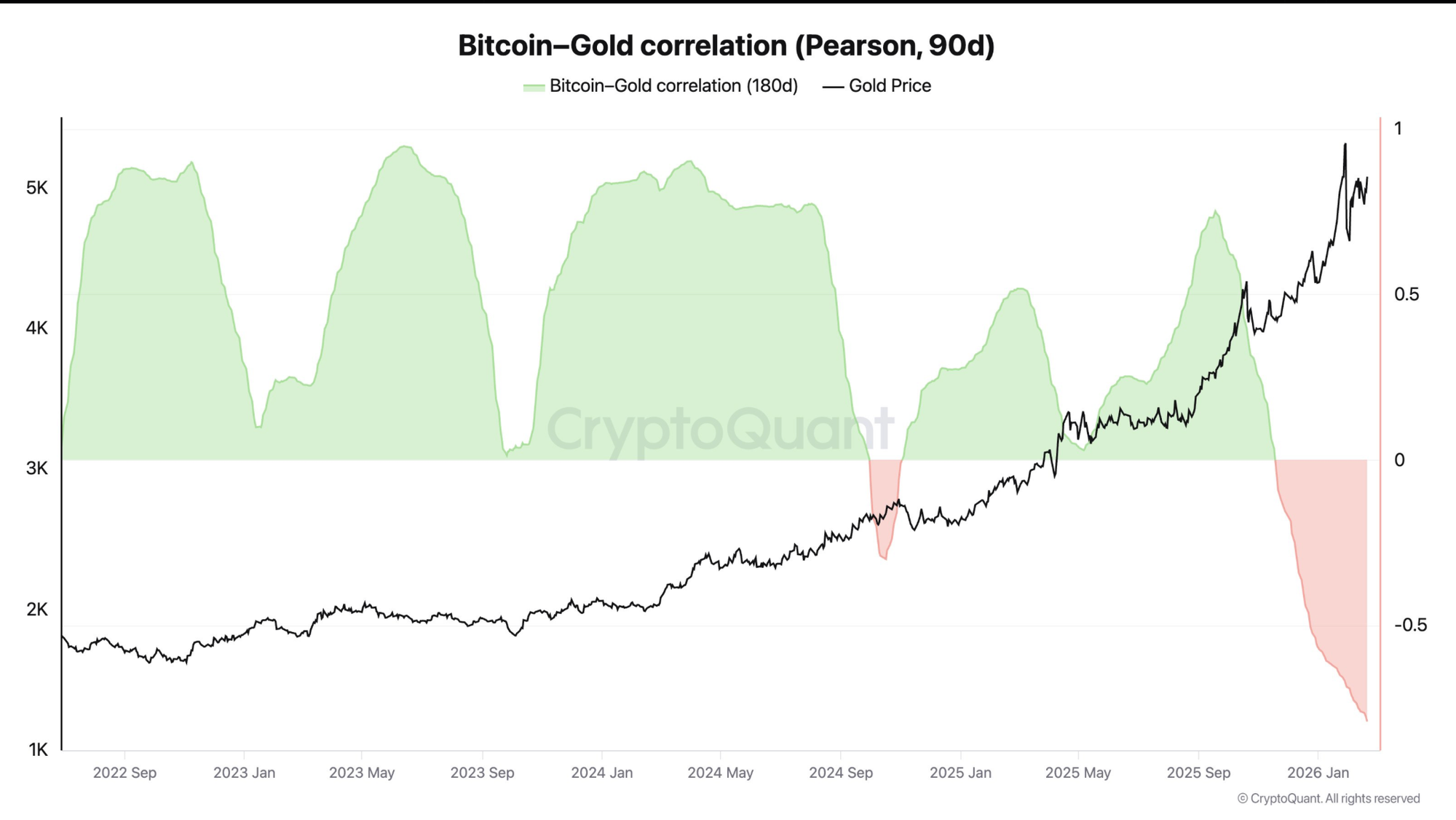
Additional market data published by CryptoQuant shows that Bitcoin’s 90-day correlation with gold has turned negative in recent months.
CryptoQuant founder Ki Young Ju described the period as one in which Bitcoin is not trading like “digital gold.”
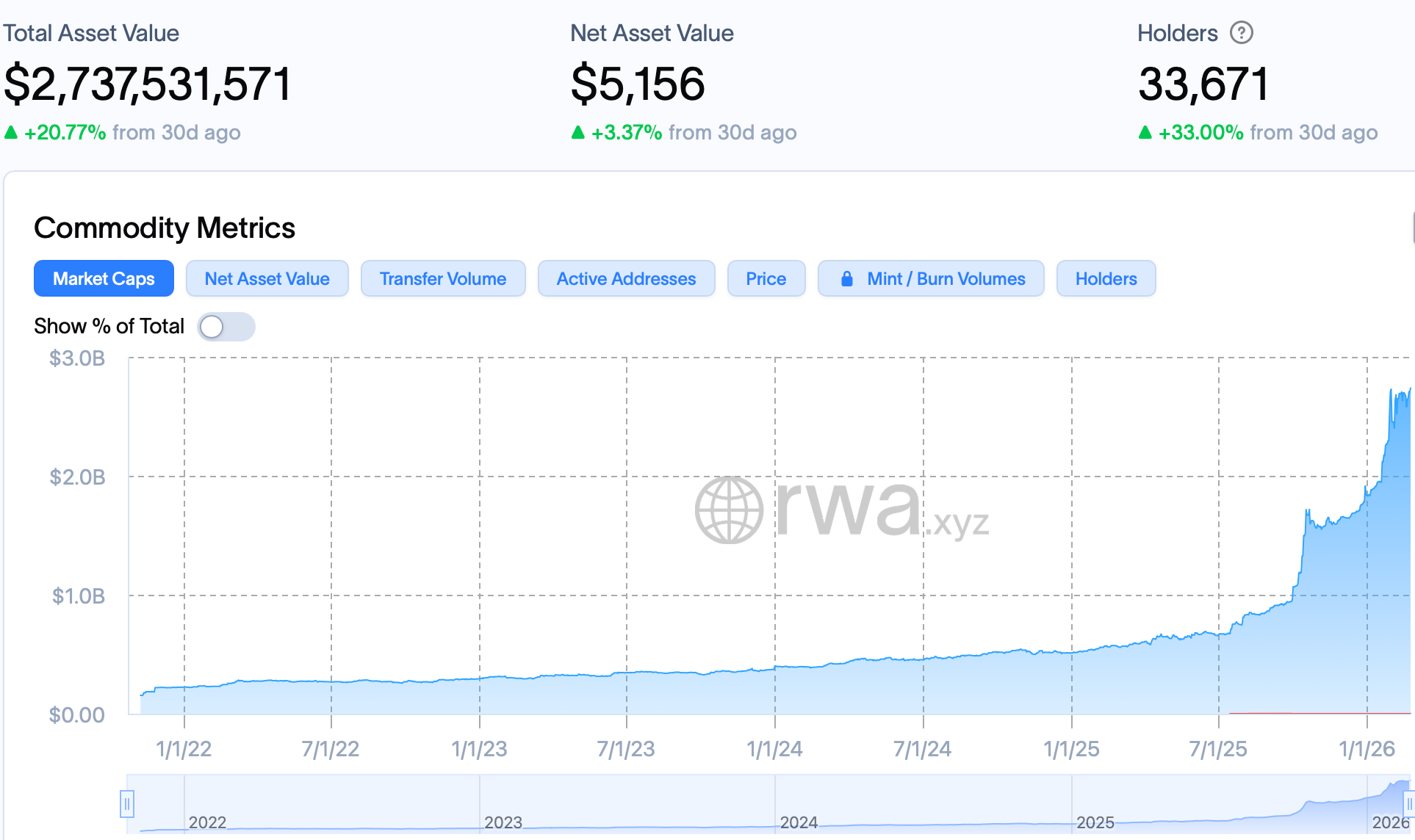
Tokenized commodities have also recorded inflows during the same period.
Data compiled by analytics platforms such as RWA.xyz shows growth in blockchain-based commodity exposure, particularly in tokenized gold markets. Over recent weeks, products such as tokenized gold have added market value and new participants as investors moved part of their capital into instruments linked to traditional safe-haven assets.
The broader tokenized commodities segment has expanded as well, surpassing the $6 billion mark after a rapid increase earlier this year, according to the same datasets.
Liquidity conditions versus long-term projections
Expanding stablecoin balances generally support higher trading volumes across exchanges and decentralized platforms, whereas periods of stagnation coincide with lower market activity.
Current crypto liquidity shows these dynamics.
At the same time, projections from financial institutions indicate that stablecoin issuers may play a larger role in traditional financial markets if adoption continues and reserve requirements remain focused on government debt.
 Oleksii Shumak
Disclaimer: All materials on this site are for informational purposes only. None of the material should be interpreted as investment advice. Please note that, despite the nature of much of the material created and hosted on this website, HODL FM operates as a media and informational platform, not a provider of financial advisory services. The opinions of authors and other contributors are their own and should not be taken as financial advice. If you require advice, HODL FM strongly recommends contacting a qualified industry professional.