




Can Bitcoin be hacked? Could it crash completely? What if the price drops right after I buy? These and many other questions most people ask themselves before their first Bitcoin purchase.
The mix of stories about huge profits and scary headlines about massive liquidations makes the whole space feel both tempting and dangerous. That’s the reality of Bitcoin: strong long-term potential paired with very real short-term volatility.
Ready to step in? If so, read this guide to know how to invest in Bitcoin safely, pick the right wallet, understand fees and taxes, and lock down your security step by step.
Where to buy Bitcoin in 2026
These days, buying Bitcoin is pretty straightforward, and you’ve got a real choice depending on what you care about most: convenience, fees, privacy, or control.
Centralized exchanges
Large centralized exchanges like Coinbase, Kraken, and Binance are still the easiest starting point and often the best way to buy Bitcoin for beginners. They usually offer the smoothest onboarding, clear interfaces, and solid support.
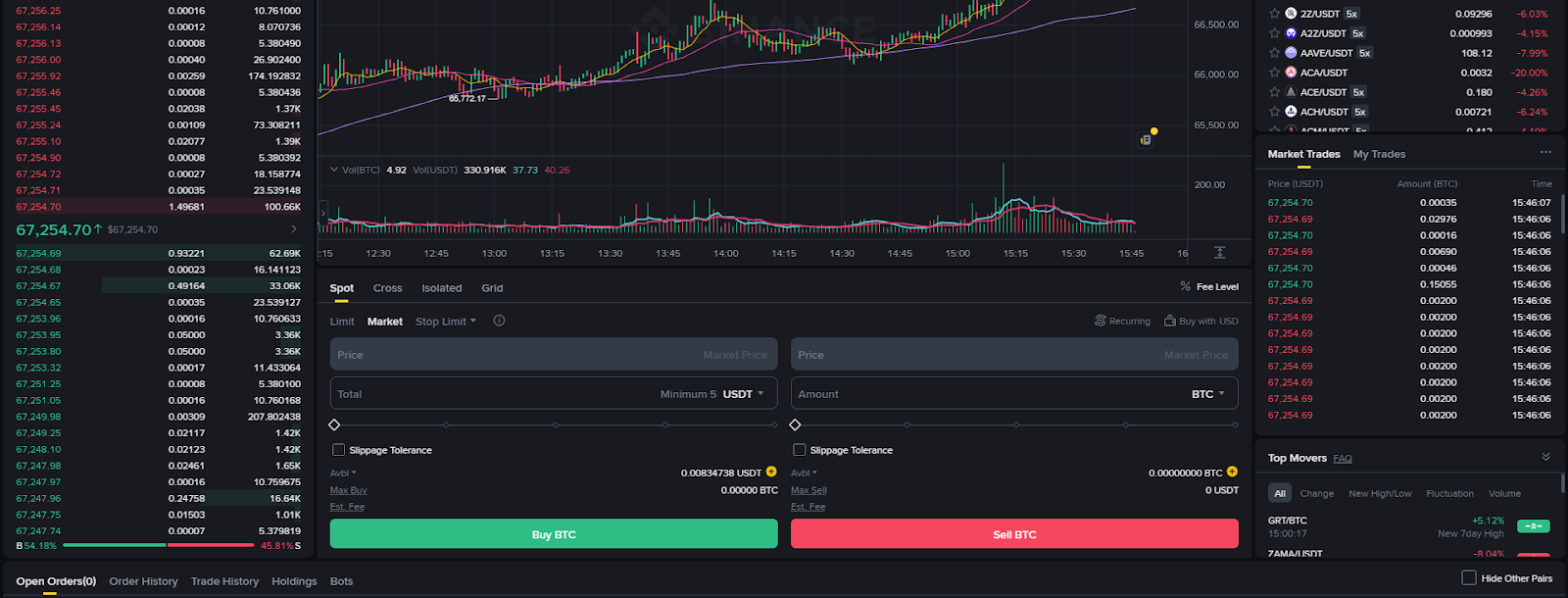
The trade-off is custody. When you buy there, the exchange holds your Bitcoin for you at first. However, withdrawals can be delayed, accounts can be temporarily frozen for checks, and access depends on the platform.
Decentralized platforms
If you’d rather avoid middlemen, decentralized and peer-to-peer platforms let you trade directly with other users. You often get more privacy and sometimes better pricing, but you’ll need more attention to detail to avoid scams.
Peer-to-peer marketplaces
P2P marketplaces (like Binance P2P, Bisq, and Hodl Hodl) can be centralized or non-custodial. Binance P2P is part of the centralized Binance exchange and uses platform escrow. Bisq and Hodl Hodl are non-custodial, meaning you keep control of your keys and funds, but you also carry more responsibility yourself.
Bitcoin wallets
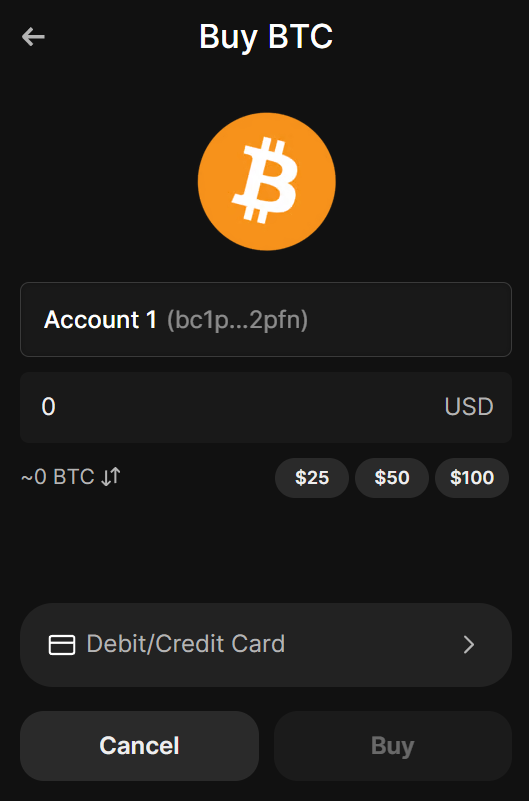
Some non-custodial wallets, like Trust Wallet or Phantom, let you buy Bitcoin with debit card or bank transfer directly inside the app.
Bitcoin ATMs
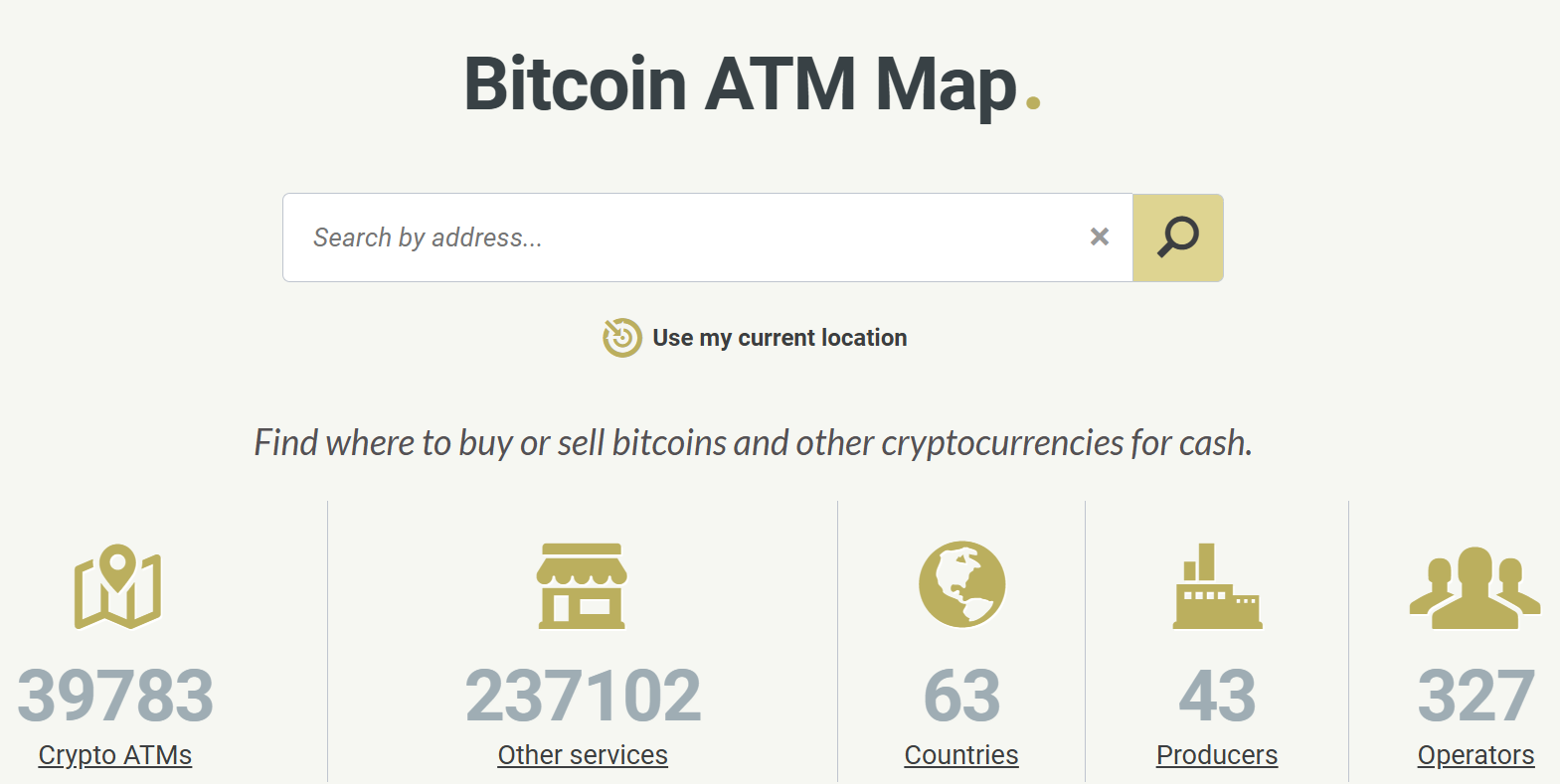
Bitcoin ATMs let you buy Bitcoin with cash in many cities. They’re easy to use, but fees are usually higher. You can use CoinATMRadar to find Bitcoin ATMs in 63 countries.
Step-by-step process to buy Bitcoin
Once you understand the steps, a Bitcoin purchase is pretty straightforward. It usually goes like this:
- Create an account. Sign up on the platform you plan to use. Enter your email and set a password. Make it a strong one, not something you reuse elsewhere, and switch on two-factor authentication right away.
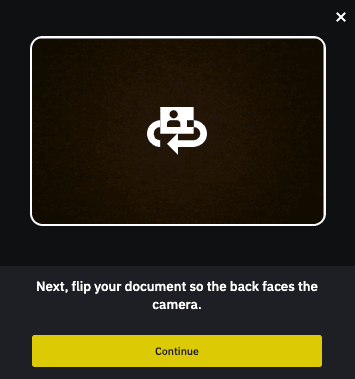
- Verify your identity. Most platforms will ask for KYC verification. That usually means uploading an ID and sometimes taking a quick selfie. It can take a few minutes or a few hours, but platform verification typically takes up to a day. Some peer-to-peer options skip this.
- Add a payment method. Link your bank account, card, or another payment option. Card payments are usually instant; bank transfers take a bit longer.
- Place your order. Decide how much you want to buy. You don’t need a whole coin, since small fractions are totally fine. Check the fees, confirm, and submit.
- Receive your Bitcoin. Your BTC shows up shortly after. Then decide whether to keep it there or move it to your own wallet.
Choosing the right Bitcoin wallet
Where you keep your Bitcoin matters just as much as where you buy it. The big idea here is custody, or, in simple terms, who controls the private keys. That’s what really determines who controls the funds and who carries the responsibility.
- Custodial wallets (the built-in wallets on exchanges) are usually the easiest starting point. The platform holds the keys for you, helps with password recovery, and keeps the experience simple. That’s why many beginners and active traders use them.
The catch is dependence: if withdrawals are paused or your account is flagged for checks, your access can be delayed. This is exactly where the crypto saying comes from: “Not your keys, not your coins.”
- Non-custodial hot wallets (Trust Wallet, MetaMask, or Exodus) put you in direct control. You hold the keys and approve transactions yourself. They’re great for everyday use and for people who value control over their funds. But here all the risk is on you: lose the recovery phrase, and there’s no support line to call.
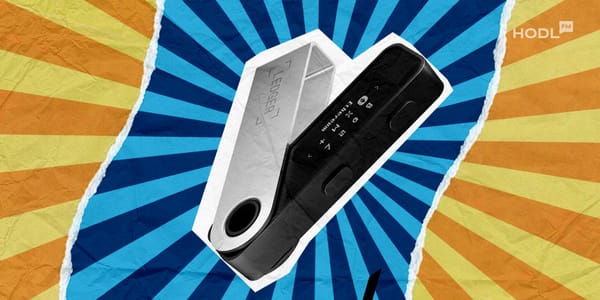
- Hardware wallets (Ledger or Trezor), unlike the others, are physical devices. They are commonly used for long-term storage and larger holdings.
Fees, limits, and taxes to consider
Before you buy Bitcoin, look at the extra costs around the purchase. They often seem small on the screen, but over time, they can make a noticeable difference to your results.
Platform and network fees
1. Most exchanges usually take somewhere around 0.5% to 2% when you buy BTC. It's the smallest percentage in comparison with other platforms.
2. When you move Bitcoin to your own wallet, you pay a network fee to miners, which goes up and down with blockchain congestion. You can estimate this fee using a Bitcoin fee calculator service.
3. P2P platforms and Bitcoin ATMs often charge more. You’re basically paying for flexibility or privacy.
Limits
New accounts often have daily or monthly limits that increase after verification. For example, on Binance:
- Unverified Account: ~0.06 BTC daily (crypto only)
- Basic KYC: ~2 BTC daily
- Advanced KYC: Up to 100 BTC daily and fiat withdrawals.
Taxes
In many countries, selling or spending Bitcoin can create a tax obligation on the price gain. For example, in the US, Bitcoin held under one year is taxed at ordinary income rates (10% to 37%). The UK applies 18-24% capital gains tax based on income brackets. If you’re not sure, check with a crypto tax advisor.
Security tips for buying Bitcoin safely
When it comes to Bitcoin, good security habits matter more than finding the “perfect” app or wallet.
1. Slow down and double-check before you log in, download anything, or approve a transaction. Phishing is still the most common attack. Scammers copy exchange websites and send fake login links or “urgent” messages. And remember: no legitimate service will ever ask for your private keys or recovery phrase.
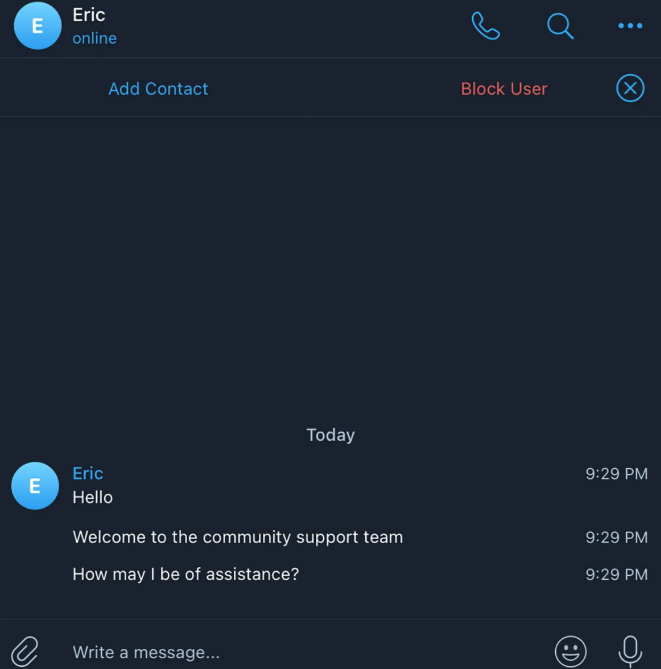
2. Stick to official apps and downloads. Get wallets and exchange apps only from verified app stores or the company’s main website. Take a few seconds to check the developer name and reviews because fake copies are a real thing.
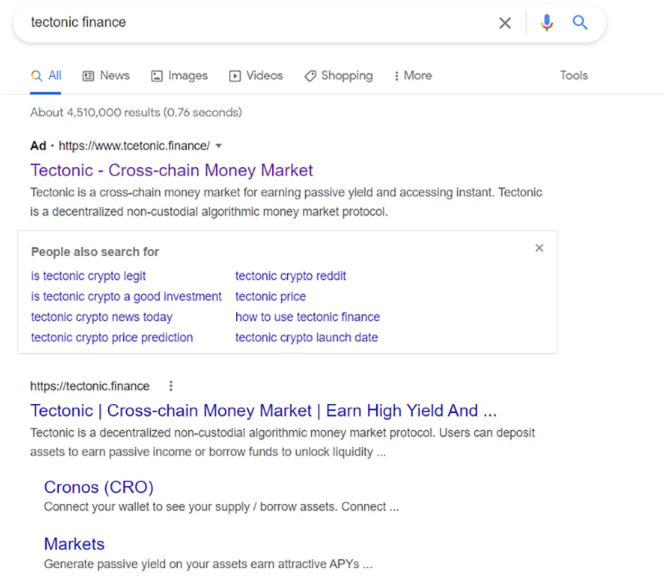
3. If you’re using a non-custodial wallet, treat your recovery phrase like the apple of your eye. Write it down and store it offline in a safe place. Don’t keep it in photos, notes apps, or email.
4. When you’re new, send a small test transaction first.
5. And turn on two-factor authentication everywhere. It blocks a lot of simple account break-ins.
Should I buy Bitcoin now?
Bitcoin's recent dip feels like a classic crypto cycle moment: volatility shakes out weak hands and creates possible entry points for more patient buyers. If you understand the long-term thesis like Bitcoin's fixed supply and growing institutional adoption, and the current price fits your risk tolerance, it may be an attractive zone to start dollar-cost averaging.
That said, let’s stay grounded. Bitcoin is an extremely volatile asset. Prices can swing 10-20% in a day due to market manipulation, liquidation cascades, tech sell-offs, or macro events.
Past performance doesn't predict future results. Only invest what you can lose, and start small.
 Gunel Ismayilova
Disclaimer: All materials on this site are for informational purposes only. None of the material should be interpreted as investment advice. Please note that, despite the nature of much of the material created and hosted on this website, HODL FM operates as a media and informational platform, not a provider of financial advisory services. The opinions of authors and other contributors are their own and should not be taken as financial advice. If you require advice, HODL FM strongly recommends contacting a qualified industry professional.