

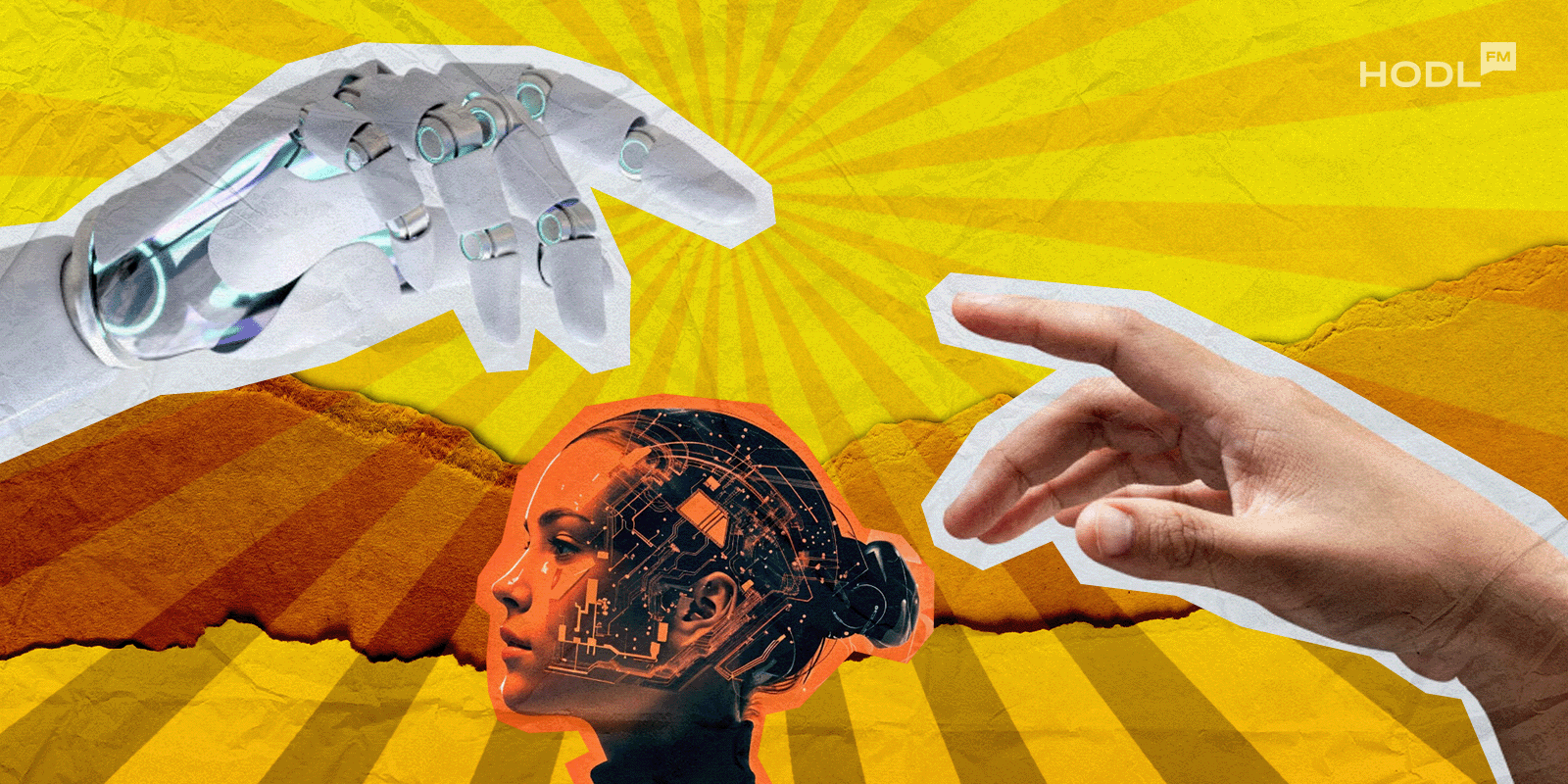



A new UNESCO report forecasts significant revenue losses for creators worldwide as artificial intelligence reshapes the cultural landscape. The agency’s latest Re|Shaping Policies for Creativity report, a decade-long global benchmark drawing data from over 120 countries, warns that generative AI outputs could reduce music creator revenues by up to 24 percent and audiovisual creator earnings by 21 percent by 2028.
The report emphasizes that digital transformation, global trade shifts, and threats to artistic freedom are creating uneven conditions across creative industries. It calls for stronger policies to protect artists from widening inequalities.
Economic and digital disparities
UNESCO notes that while 85 percent of reporting countries include cultural and creative industries in national development plans, only 56 percent set specific cultural objectives. Public funding for culture remains below 0.6 percent of GDP worldwide and continues to decline. Global trade in cultural goods doubled to US$254 billion in 2023, with developing countries accounting for 46 percent of exports, yet they capture just over 20 percent of global trade in cultural services.
Digital revenues now represent 35 percent of creators’ income, up from 17 percent in 2018. While this growth offers new opportunities, it also exposes creators to intellectual property infringements. Market concentration among streaming platforms and opaque content curation systems marginalizes lesser-known artists. UNESCO found that only 48 percent of countries track digital cultural consumption, limiting evidence-based policymaking.
The report also highlights a digital skills divide. Essential digital skills exist for 67 percent of people in developed countries but only 28 percent in developing nations, deepening the North–South gap.
Legal frameworks under pressure
Generative AI systems can produce content rapidly, often trained on copyrighted material without compensating original creators. Legal experts interviewed in the report say current fair use and fair dealing doctrines, designed for human creators, struggle to address AI’s large-scale replication of existing works.
This uncertainty affects Web3 and blockchain companies developing AI-based tools, from NFT generators to decentralized content platforms. Firms must navigate evolving copyright frameworks while considering liability for AI outputs.
Threats to artistic freedom and inclusion
UNESCO reports growing risks to artistic freedom. Only 61 percent of countries maintain independent monitoring bodies for artistic expression. Political instability, conflict, and displacement place cultural professionals at heightened risk, yet only 37 percent of countries implement protective measures. Support for at-risk artists remains fragmented, while digital surveillance and algorithmic bias introduce additional challenges.
Gender disparities also persist. Women’s leadership in national cultural institutions rose from 31 percent in 2017 to 46 percent in 2024, yet only 30 percent of leaders in developing countries are women, compared to 64 percent in developed nations. Policy frameworks continue to emphasize women as consumers rather than creators and leaders.
UNESCO initiatives and support
UNESCO has positioned culture at the center of global policy for over two decades. The agency has helped more than 100 countries design or reform cultural policies, strengthened socio-economic protections for artists, and facilitated the digital transition of creative sectors. Over 8,100 cultural policies and measures have been adopted under the 2005 Convention on the Protection and Promotion of the Diversity of Cultural Expressions. Through the International Fund for Cultural Diversity, UNESCO has supported 164 projects in 76 Global South countries across cinema, performing arts, visual arts, media arts, music, publishing, and design.
The 2026 report is the fourth edition in the Re|Shaping Policies for Creativity series, which monitors implementation of the UNESCO Convention. The report is published with support from the Government of Sweden and the Swedish International Development Cooperation Agency.
Implications for creators and the creative economy
The UNESCO report suggests that AI adoption without clear policy frameworks may exacerbate income instability and marginalize creators who rely on digital channels. Remedies for creators whose work is replicated remain fragmented. Copyright protects specific expression, not style, and jurisdictions vary in their approach to publicity and false-endorsement claims.
UNESCO urges governments and cultural institutions to strengthen protections, track digital cultural consumption, and empower creators to navigate AI-driven disruption. Without coordinated policies, the agency warns, global creative revenue losses could reach nearly a quarter by 2028, reshaping the cultural economy.
 Tanya Petrusenko
Disclaimer: All materials on this site are for informational purposes only. None of the material should be interpreted as investment advice. Please note that, despite the nature of much of the material created and hosted on this website, HODL FM operates as a media and informational platform, not a provider of financial advisory services. The opinions of authors and other contributors are their own and should not be taken as financial advice. If you require advice, HODL FM strongly recommends contacting a qualified industry professional.