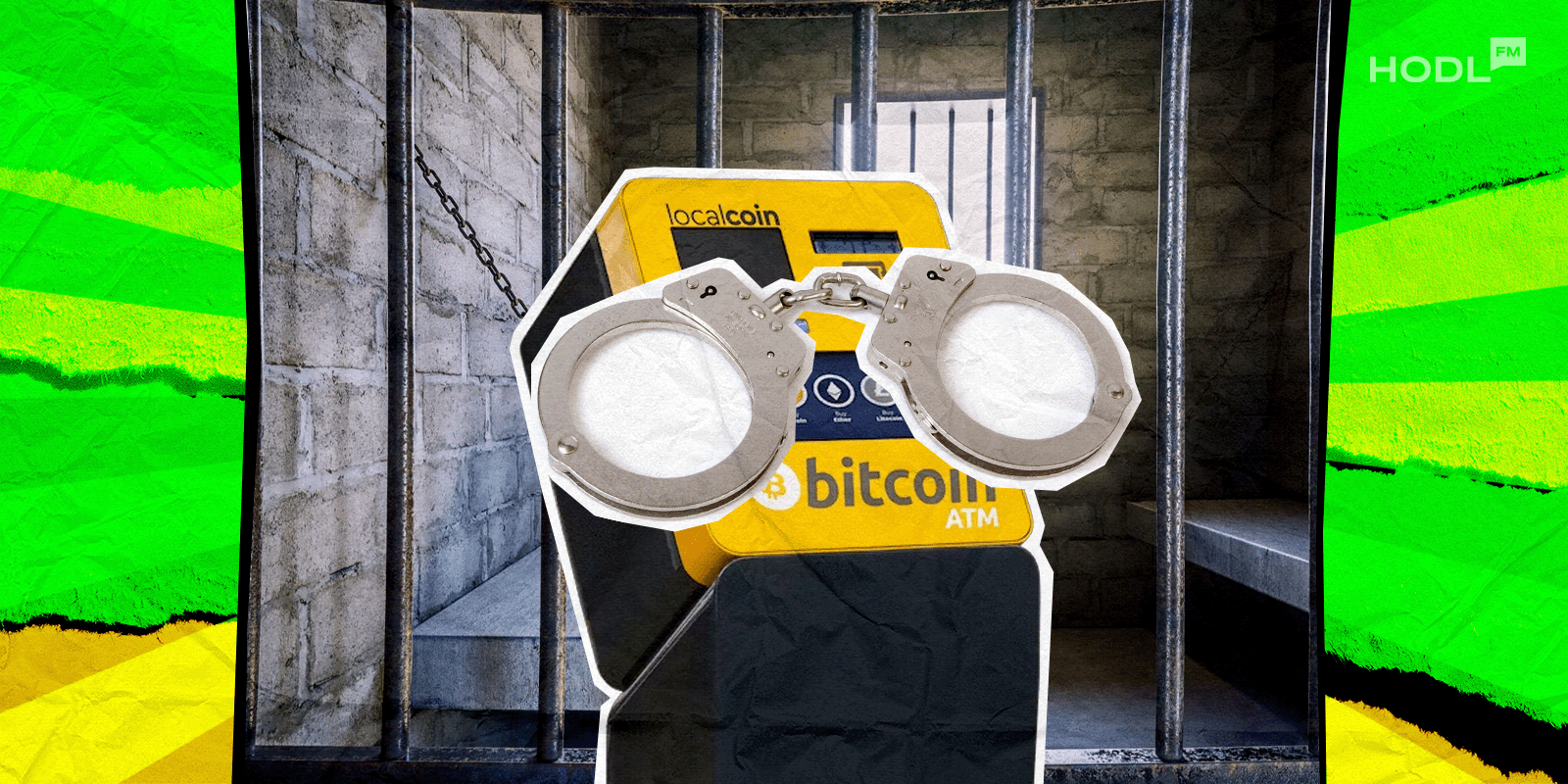



Minnesota is considering legislation to ban cryptocurrency kiosks after a series of scams targeted vulnerable residents, particularly the elderly.
Rep. Erin Koegel (D), co-chair of the House Commerce Finance and Policy Committee, introduced HF 3642 earlier this week, a bill that would ban the placement and operation of cryptocurrency kiosks across Minnesota while leaving online transactions untouched.
The measure would repeal nearly two dozen existing statutes that currently regulate the machines.
Current protections falling short
Law enforcement testimony has highlighted how these machines, often found in convenience stores and supermarkets, have been exploited to drain life savings and, in some cases, push victims toward housing insecurity.
Woodbury Police Det. Lynn Lawrence told lawmakers about a case in which a resident on a fixed income sent roughly half of her monthly earnings through a kiosk over six months to scammers. Adult protection services intervened to prevent her from losing housing, illustrating the real-world dangers of these transactions.
“The victim was already vulnerable, facing food and housing insecurity,” Lawrence said. “She was afraid she was going to have to live out of her car because she had no money left.”
Sam Smith, government relations director at the Minnesota Department of Commerce, said HF 3642 enjoys strong support from his agency, citing persistent losses despite existing safeguards.
Last year, the department logged 70 complaints tied to cryptocurrency kiosks, with total reported losses of $540,000, only about half of which were partially recovered, averaging just 16% of the stolen funds.
Smith said scams involving kiosks are a growing problem and the financial loss is “emotionally devastating and embarrassing” for victims
Minnesota currently has roughly 350 licensed kiosks run by eight to ten companies.
The state’s 2024 law had required operators to disclose risks, set transaction limits for new users, and provide refunds for fraud reported within two weeks, but regulators say these measures have proven insufficient to prevent substantial losses.
Smith told lawmakers, “Previous efforts to increase consumer protections for crypto kiosks have failed.”
HF 3642 would repeal the existing regulatory framework entirely, rather than amend it, reflecting lawmakers’ urgency to address the ongoing problem.
A National Trend Toward Oversight
In 2025, 14 states passed laws targeting such scams, bringing the total to 17. Illinois, for instance, requires kiosk operators to register with the state, maintain live customer service, and cap fees at 18%, while limiting new-user transactions to $2,500 per day. Cities like Spokane, Washington, and St. Paul, Minnesota, have already moved to ban crypto kiosks outright.
The issue is not limited to the U.S.
New Zealand banned cryptocurrency ATMs in July 2025 after authorities identified them as key conduits for illicit fund transfers.
Australia has proposed expanding powers to restrict or prohibit high-risk products, noting the rapid growth of its kiosk network.
Major U.S. operator strengthens crypto ATM safeguards
Simmons was coerced over the phone by two men posing as law enforcement to deposit nearly $16,000 into a crypto kiosk, her experience only shows a national pattern: the FBI reported that 86% of crypto kiosk losses in 2024 involved victims aged 60 or older. The agency logged over 12,000 complaints tied to kiosks in 2025 alone, amounting to $333 million in losses.
Iowa’s Attorney General Brenna Bird filed lawsuits against kiosk operators Bitcoin Depot and CoinFlip after her investigation found that 95% of transactions were fraudulent, costing residents about $20 million in under three years.
Amid growing regulatory scrutiny, Bitcoin Depot has begun requiring identity verification for every transaction at its U.S. kiosks.
CEO Scott Buchanan said the change “strengthens security, protects customers, and maintains the integrity of our services.”
Previously, only new users underwent ID checks, but under the updated policy, returning customers must also verify their identity each time they transact.
 Kataryna Dyl
Disclaimer: All materials on this site are for informational purposes only. None of the material should be interpreted as investment advice. Please note that, despite the nature of much of the material created and hosted on this website, HODL FM operates as a media and informational platform, not a provider of financial advisory services. The opinions of authors and other contributors are their own and should not be taken as financial advice. If you require advice, HODL FM strongly recommends contacting a qualified industry professional.