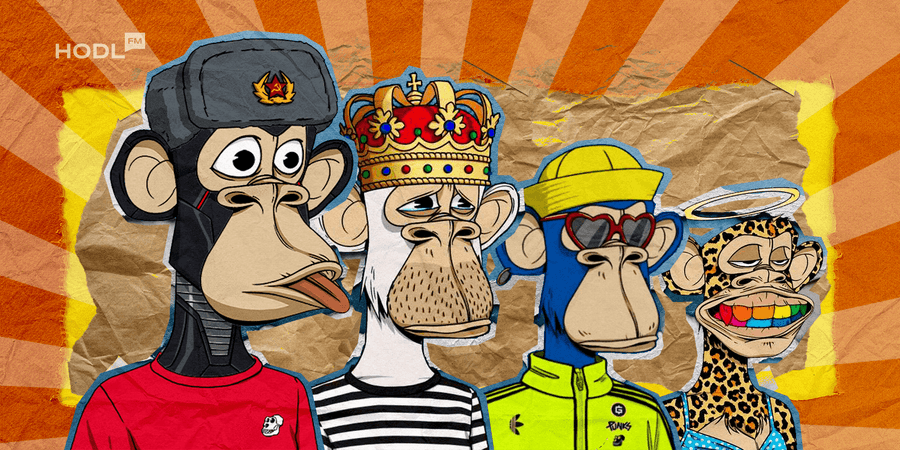



Yuga Labs has reached a settlement with conceptual artist Ryder Ripps and his business partner Jeremy Cahen, bringing an end to a legal dispute that has shaped conversations around intellectual property in the NFT market for nearly four years.
Court documents filed on April 8 in the U.S. District Court for the Central District of California confirm that both sides agreed to resolve the case after a prolonged legal battle over alleged trademark infringement and copyright violations tied to the RR/BAYC NFT collection.
Settlement terms impose strict restrictions
Under the agreement, Ripps and Cahen face a permanent ban on using Yuga Labs’ imagery and trademarks. The court also requires them to transfer control of all smart contracts, domains, and remaining NFTs connected to the RR/BAYC project to Yuga Labs within 10 days.
The injunction includes strict compliance measures. The court ordered the defendants not to “transfer, assign, conceal, or otherwise dispose of any NFTs, domains, accounts, or other assets referenced in this Injunction, or cause any of the foregoing, for the purpose of avoiding or frustrating compliance.”
Despite the legal outcome, the RR/BAYC NFTs remain visible on platforms such as OKX Wallet at the time of reporting.
Legal battle began in 2022
The dispute began in June 2022 when Yuga Labs filed a lawsuit against Ripps and Cahen. The company accused the pair of copying its Bored Ape Yacht Club artwork and selling nearly identical NFTs. Yuga argued that the project misled buyers and generated millions in profit through confusion in the market.
Ripps and Cahen maintained that their project served as satire. They described RR/BAYC as “expressive appropriation art” protected under the First Amendment. Ripps also publicly accused the original BAYC collection of embedding offensive imagery, which Yuga Labs rejected and described as part of a broader campaign against the company.
The case moved quickly through early rulings. In April 2023, U.S. District Judge John Walter sided with Yuga Labs. The court found that the RR/BAYC NFTs violated trademark and copyright laws due to their similarity to the original collection and the likelihood of consumer confusion.
Financial penalties and appeals reshaped the case
Following the 2023 ruling, the court ordered Ripps and Cahen to pay $1.37 million in profits, along with additional legal fees. The total financial penalty later rose to approximately $9 million after Yuga Labs prevailed on a counterclaim in 2024.
The case did not end there. In 2025, the U.S. Court of Appeals for the Ninth Circuit vacated key parts of the judgment. The appeals court ruled that a jury trial was necessary to determine whether trademark infringement had occurred and to assess damages. While the court rejected much of the defendants’ fair use arguments, it declined to uphold the summary judgment.
This decision marked a critical moment in the case. It signaled that unresolved factual questions remained, particularly around intent and market confusion, which required a full trial.
Settlement avoids jury trial
The newly filed agreement indicates that both parties chose to settle rather than proceed to a jury trial. Details of the financial terms of the settlement have not been publicly disclosed.
The resolution closes a case that has drawn attention across the digital asset sector. It addressed questions about whether NFTs can qualify for trademark protection and how parody and satire apply in blockchain-based markets.
Yuga Labs had also previously asked the court to sanction Ripps after he claimed to have destroyed private keys linked to the RR/BAYC project. The settlement now places all remaining assets under Yuga’s control, removing uncertainty around the project’s future.
Broader implications for NFT intellectual property
The case developed alongside rapid growth in the NFT market. It tested how traditional intellectual property laws apply to decentralized assets and digital art.
Earlier rulings in favor of Yuga Labs reinforced the idea that NFT collections can receive trademark protection when they function as identifiable brands. The appeals court decision added complexity by emphasizing the need for careful examination of intent and consumer perception.
With the settlement now finalized, the dispute ends without a jury verdict. The outcome still leaves a record of court decisions that may influence future cases involving digital ownership, parody, and trademark enforcement in Web3.
 Kataryna Dyl
Disclaimer: All materials on this site are for informational purposes only. None of the material should be interpreted as investment advice. Please note that, despite the nature of much of the material created and hosted on this website, HODL FM operates as a media and informational platform, not a provider of financial advisory services. The opinions of authors and other contributors are their own and should not be taken as financial advice. If you require advice, HODL FM strongly recommends contacting a qualified industry professional.