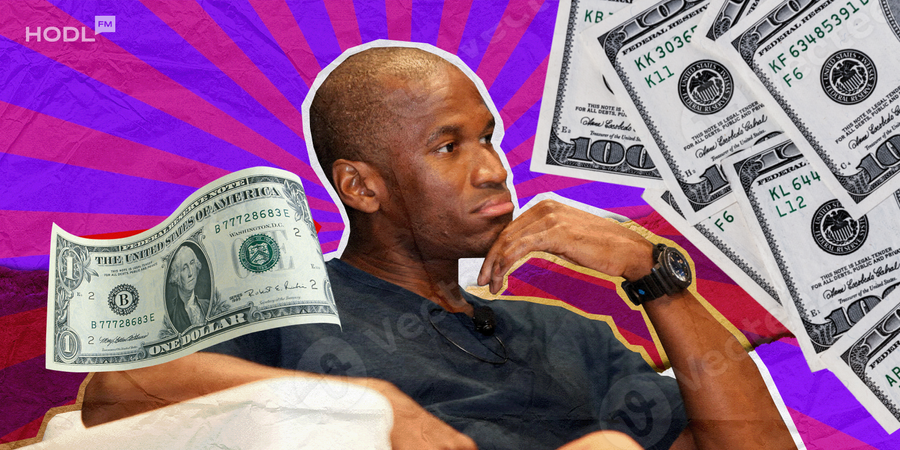


Arthur Hayes, co-founder of BitMEX, says a prolonged US confrontation with Iran could eventually push the Federal Reserve toward looser monetary policy, a shift he believes would favor crypto markets.
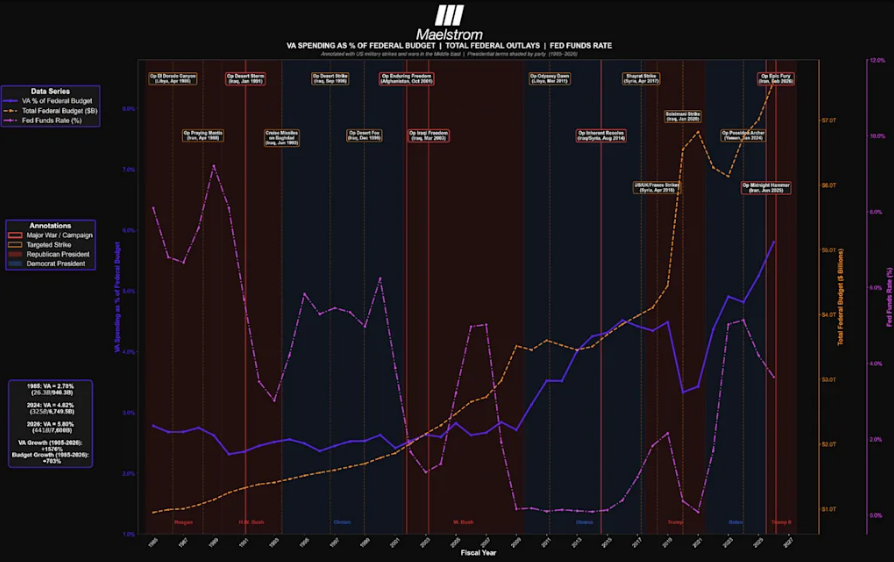
In a recent blog post, Hayes argued that major US military campaigns in the Middle East have historically coincided with easier financial conditions. He pointed to examples such as the Gulf War in 1990, the post-9/11 military operations beginning in 2001, and the Afghanistan troop surge in 2009, periods that were followed by rate cuts or expanded liquidity.
According to Hayes, the same pattern could emerge again if spending tied to a conflict escalates.
The longer Donald Trump remains engaged in costly operations related to Iran, he wrote, the greater the chance policymakers respond by lowering the cost of money and increasing supply to support government financing needs.
Hayes suggested traders should avoid rushing into positions based solely on geopolitical headlines. In his view, the clearer signal would come from monetary policy itself.
“The prudent action is to wait and see,” he wrote, adding that a more aggressive entry into Bitcoin and other crypto assets would make sense only after the Fed begins cutting rates or expanding liquidity.
Markets show limited immediate panic
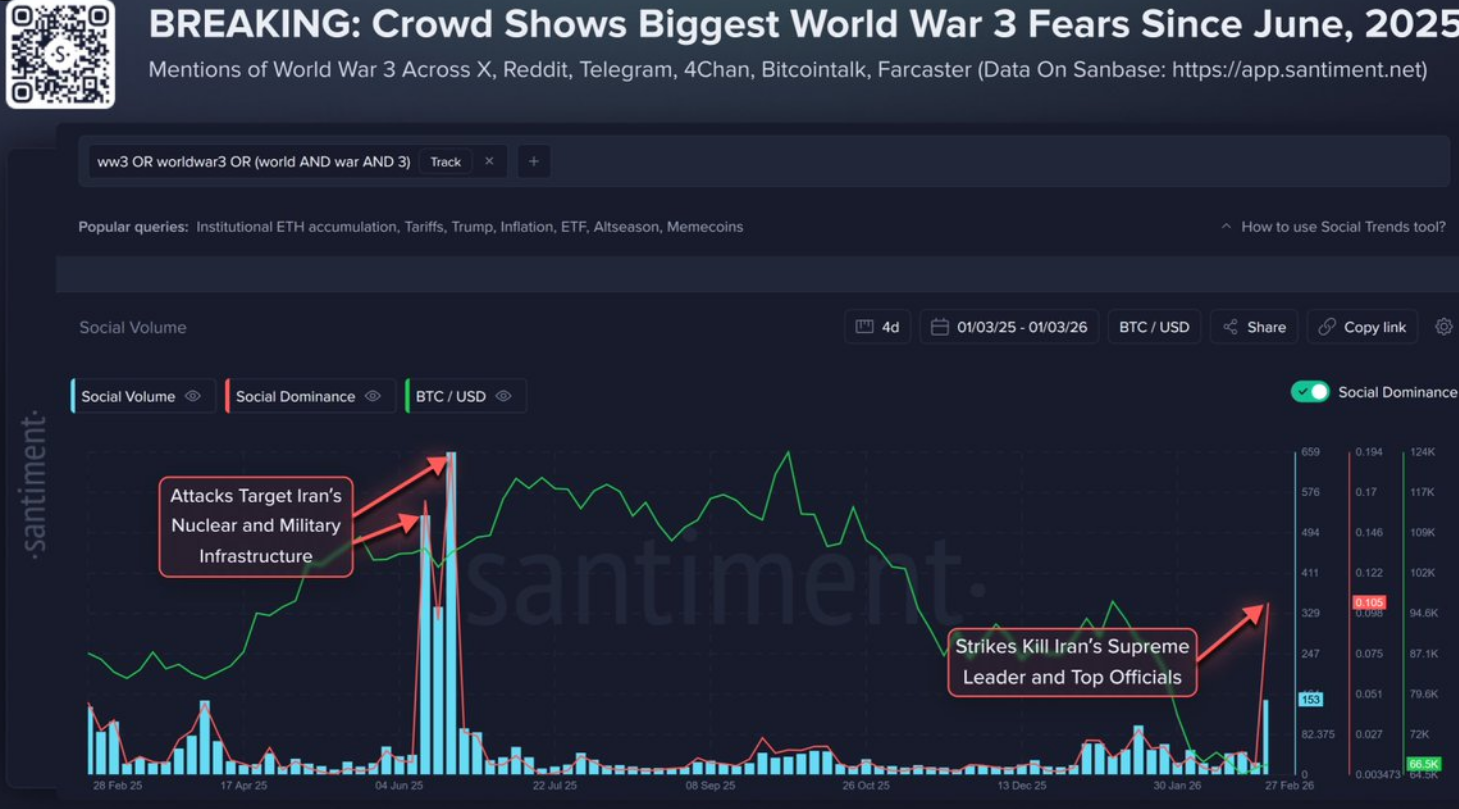
Despite the dramatic headlines following US and Israeli airstrikes on Iranian targets over the weekend, broader markets have not reacted as if a global conflict is imminent.
Data from Santiment showed a surge in social media mentions of “World War 3,” though the volume remained well below spikes seen during earlier tensions in 2025.
Market behavior has been similarly restrained.
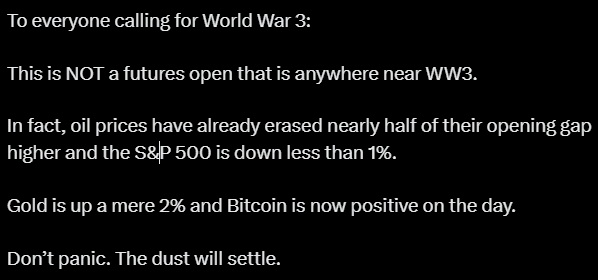
Analysts at The Kobeissi Letter noted that US stock futures opened only modestly lower at the start of the week. Oil prices also gave back a significant portion of their initial jump, while the S&P 500 slipped less than 1% in early trading moves that suggest investors are not yet pricing in a major escalation.
For crypto traders watching macro signals, the reaction reinforces Hayes’ broader point: geopolitical shocks alone don’t necessarily drive markets unless they translate into monetary policy changes.
Another Hayes thesis. Japan and global liquidity
The Iran scenario is not the only macro situation Hayes believes could trigger central bank action that benefits crypto. Earlier this year, he outlined a separate theory centered on instability in Japan’s financial system.
In a January essay titled Woomph, Hayes argued that a weakening yen and rising Japanese government bond yields could force US authorities to step in to stabilize markets.
His concern is tied to the role Japanese investors play in the US Treasury market. If higher domestic yields in Japan encourage large investors to bring capital home, they could begin selling US Treasurys, potentially pushing US borrowing costs higher. Hayes suggested Washington might try to prevent that outcome through coordinated currency intervention. In such a scenario, the New York Fed and the US Treasury could create dollar reserves, exchange them for yen, and use those funds to support Japan’s bond market.
If that kind of intervention occurs, Hayes believes the effect would mirror other periods of expanding liquidity.
“Bitcoin and quality shitcoins will mechanically levitate in fiat terms as the quantity of paper money rises,” he wrote.
Still, Hayes has emphasized that these ideas remain conditional. He said confirmation would likely appear in Federal Reserve balance sheet data, particularly changes in foreign-currency asset holdings, which could signal whether intervention is actually taking place.
 Gunel Ismayilova
Disclaimer: All materials on this site are for informational purposes only. None of the material should be interpreted as investment advice. Please note that, despite the nature of much of the material created and hosted on this website, HODL FM operates as a media and informational platform, not a provider of financial advisory services. The opinions of authors and other contributors are their own and should not be taken as financial advice. If you require advice, HODL FM strongly recommends contacting a qualified industry professional.